
Solana sets Oct. 21 Alpenglow upgrade with 150ms finality target

 Prefer us on Google


Solana's developers have scheduled the Alpenglow consensus upgrade for Oct. 21, targeting roughly 150-millisecond finality while asking validators and application operators to prepare for changes during the mainnet handoff.
Summary
- Solana's Alpenglow upgrade is scheduled for Oct. 21, targeting roughly 150-millisecond transaction finality.
- Quicknode warns of a brief transaction pause and possible data-stream interruptions during the handoff.
- Validators must use compatible software and fund vote accounts for the 0.8 SOL admission fee.
- Some RPC nodes may receive finality information later than validators participating directly in consensus.
Quicknode's maintenance notice identifies Wednesday as the planned activation day, but its latest update warns that the original 14:50 UTC estimate could move forward to 13:20 UTC as block production advances. The provider asks operators to be ready from 13:00 UTC, with the consensus handoff following activation by roughly 20 minutes.
Solana Foundation's current upgrade page puts the change in epoch 1064 and lists mainnet as not yet activated. Its updated estimate places the epoch's start near 13:20 UTC, making the epoch boundary the relevant trigger instead of a fixed wall-clock appointment.
Solana Alpenglow targets finality, not faster execution
Under Anza's design, Votor replaces TowerBFT's voting and finality logic. The target is roughly 150 milliseconds under normal network conditions, not a guarantee that every wallet, exchange or trading application will display a completed transaction within that period.
The Foundation says transaction execution, program behavior and fee mechanics remain unchanged. Ordinary users do not need to alter how they sign or approve transactions, while the separate Rotor data-distribution upgrade is reserved for a later release. Its documentation separates the consensus rollout from earlier reductions in slot duration, which govern how frequently the network produces blocks.
Quicknode's technical overview describes two voting paths operating simultaneously. One can finalize a block in a single round when 80% of validators participate, while the other uses a second round when participation reaches 60%.
The provider distinguishes that process from the early confirmations users already see. Its overview says applications commonly display confirmations within two to three seconds under optimistic settings, before the old system reaches full finality at around 13 seconds.
The October deployment follows an earlier roadmap that linked Alpenglow to Agave 4.3. An August 14 report documented that Alpenglow code was present in Agave 4.2 for testing, without authorizing mainnet activation in that release.
By September 26, the upgrade had reached devnet after testnet's transition the previous day, as previously covered by crypto.news. Application teams could then check the new consensus behavior before deploying against the network handling users' funds.
Traders face a short interruption during the handoff
Quicknode warns that new transactions will briefly stop entering blocks while the network changes consensus systems. Its notice describes a pause lasting a few seconds, with a longer interruption possible if the transition takes more time.
Transaction submissions may temporarily return a "node unhealthy" preflight error, the provider says. Yellowstone data streams may disconnect once, while subscriptions using the earliest processed commitment can display slots that never reach confirmation.
The maintenance notice recommends confirmed or finalized commitment for data that must not be reverted. Quicknode says its existing Solana endpoints will remain in place and that its team will monitor the network throughout the change.
In the provider's technical overview, faster irreversible settlement is relevant to financial applications, corporate treasury transfers and real-time services. The document presents those uses as capabilities of the proposed consensus architecture, without establishing that individual trading platforms will adopt new settlement policies on activation day.
Validator readiness includes software and account funding
Solana Foundation's current checklist instructs validators to run version 4.3.2 of Agave, Jito-Solana or Harmonic Salsa before epoch 1064. Firedancer and Frankendancer are not supported during the migration, according to the same guidance.
Operators must keep at least 0.8 SOL above the rent-exempt minimum in their vote accounts to cover the Validator Admission Ticket. The first charge pays for participation in epoch 1065, and an unpaid fee prevents a validator from voting or producing blocks in that next epoch.
Governance approval predates those operational requirements. The proposal passed in September 2025 with 98.27% of votes supporting it, according to coverage of the completed ballot. Participation represented 52% of stake, so the approval percentage describes votes cast rather than the entire validator population.
That earlier vote approved SIMD-0326, the proposal behind the consensus overhaul. The contemporary report recorded 1.05% against and 0.69% abstaining, with the small rounding difference preserved in the published figures.
-- Price
RPC delivery can lag behind the 150ms target
Anza's operator documentation explains that consensus messages normally circulate among admitted validators. An unstaked node using the default delivery path learns finality from certificates carried in later blocks, typically adding up to one produced-block interval.
Skipped or delayed blocks can lengthen that wait. A node partnered with an admitted validator can receive messages directly, although network latency between the two remains part of the delivery time.
The September devnet coverage documented separate changes for indexers and explorers. Candidate blocks must remain separate until confirmation, and validator participation data moves away from ordinary vote transactions toward certificates attached to block data.
According to that report, removing vote transactions changes dashboard totals even when the number of user payments and trades stays constant. Services counting both categories must reset their comparisons, while systems tracking validator votes need to read the replacement certificate data.
This content is provided for general informational purposes only and doesn't constitute financial, investment, legal, or tax advice. Any events, rewards, online promotions, or related information mentioned herein should not be considered a recommendation, solicitation, or invitation to purchase, sell, trade, or otherwise deal in any crypto assets. Crypto assets are highly volatile and may result in loss. The availability of WEEX services, products, and related events may vary by region. You are responsible for ensuring that your participation is in accordance with applicable local laws and regulations.
You may also like

Hedera Council adds Apex Group, servicer of $3.5T in assets
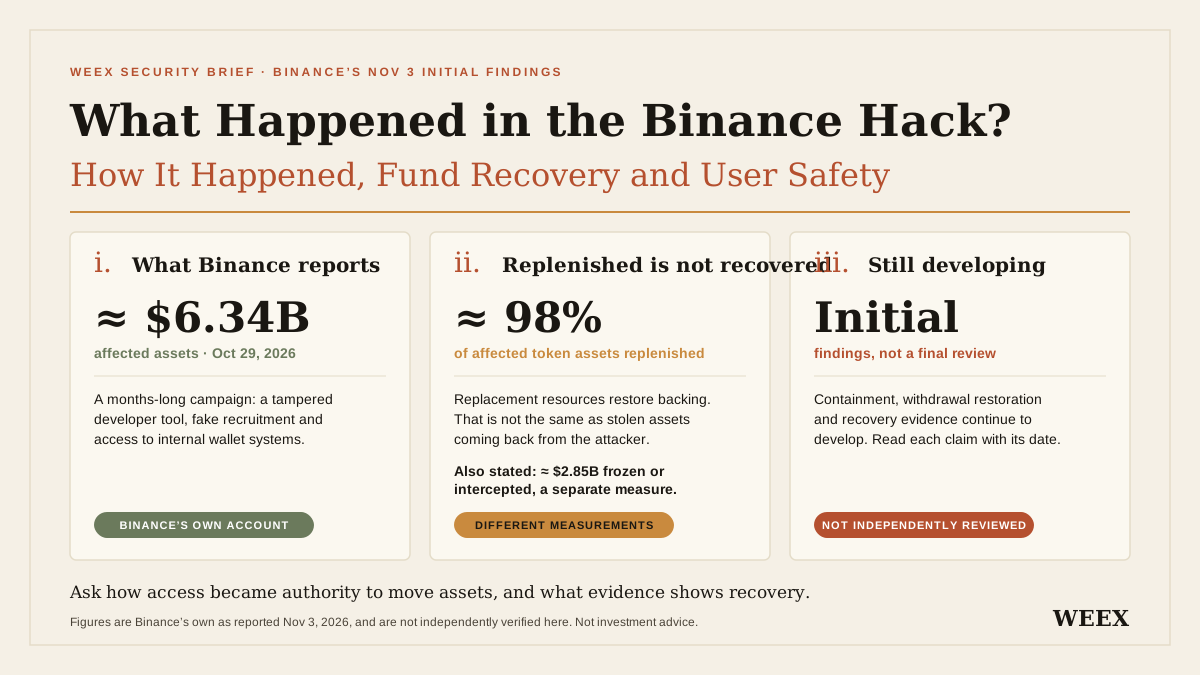
What Happened in the Binance Hack? How It Happened, Fund Recovery and User Safety
What happened in the Binance hack? Review the attack timeline, latest fund replenishment, recovery limits and practical steps to protect your account.

Tata Power Plans to Sign Agreement with Four States Allowing Power Prices to Be Linked to Coal Costs

AI Agents Do More Than Just Place Orders: The Next Entrepreneurial Opportunity Lies in Matching and Trust

NVIDIA Scandal Shakes the Internet! How Should Cryptocurrency Be Divided After a Divorce with a Tech Tycoon?

Bundesbank President Says Economic Recovery Faster Than Expected, Structural Reforms Needed

Immutable Chain's Transition to OP Stack: What Changes for Users
Ledger CEO faces backlash after saying everybody will be hacked at some point

WEEX 11.11 Shopping Fest: Buy BTC and Unlock Up to 888 USDT in Rewards

NEAR AI Discloses SGLang Security Incident and Revokes Exposed API Keys

The Art of Trading: How They Profit from Arbitraging USDE Stocks

VARA Is Not a Panacea: Dubai's Crypto Payments Still Depend on the Central Bank

a16z Frontier Partner: Agents Should Rebuild Uber-like Transaction Networks
Poland's Parliament Votes 240-202 To Let Officials Freeze Crypto Before Court Review
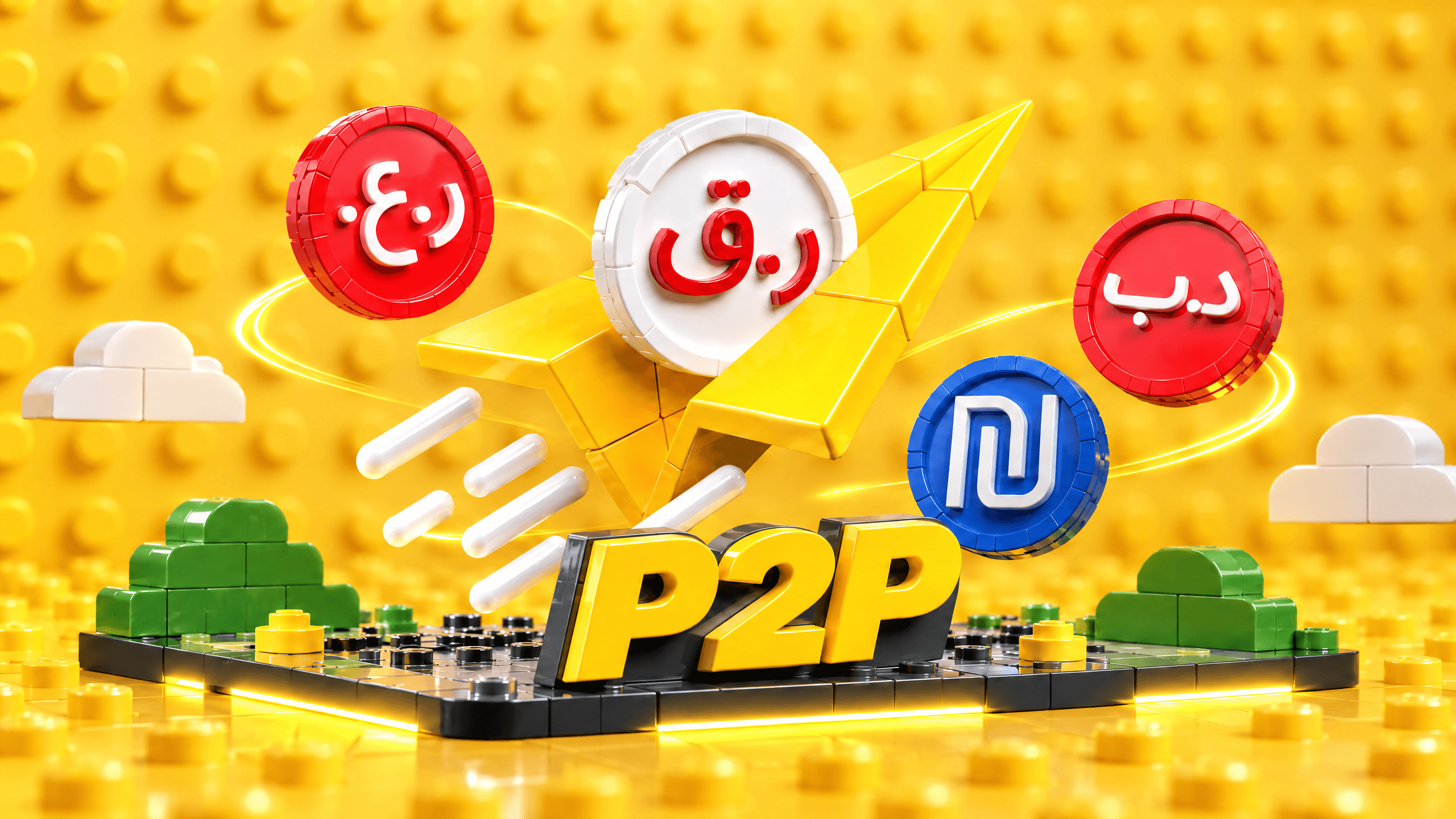
WEEX P2P now supports ILS, BHD, OMR & QAR —Merchant Recruitment Now Open

Cryptocurrency Security Checklist: Four Lessons from Phemex Safety Hub Vol. 05–08
Ondo Claims $4B in Tokenized Assets as RWA Market Gains Institutional Depth

DTCC Launches Tokenization Service: What Can Investors Actually Do?

The catch in recovering a hacked crypto wallet: the thief may still have a key

Bitcoin Remains Strong: Why $76,000 is the Level That Matters Now
Peter Schiff Criticizes Strategy's Bitcoin Purchases

iPhone Attack Kit 'DarkSword' Suspected of Being Misused for Cryptocurrency Theft, Bitquery Identifies Approximately $4.06 Million in Stolen Funds

Financial and Political Crisis in Paraguay: How the Ueno Bank Explosion Triggered the President's Resignation

OpenAI Releases National Community Covenant and Computing Park Policy Blueprint

GitBook Security Incident Review, Attack Targeting Trade.xyz

Post-Quantum Era Consensus Layer Divergence: Ethereum Maintains Decentralization, Monad Prioritizes Speed

The Ghost Behind the Screen: Unveiling the Secret World of North Korean Hackers Lazarus

Bitcoin Miners Turn to AI: Escaping the Crypto Cycle, but Entering New Turbulence
Decoding Variational: How a No-Order-Book Exchange Became the Dragon Behind Hyperliquid?
Creators Speak | The Biggest Risk in the Crypto Industry is Thinking It's Safe
Hedera Council adds Apex Group, servicer of $3.5T in assets
What Happened in the Binance Hack? How It Happened, Fund Recovery and User Safety
What happened in the Binance hack? Review the attack timeline, latest fund replenishment, recovery limits and practical steps to protect your account.
Tata Power Plans to Sign Agreement with Four States Allowing Power Prices to Be Linked to Coal Costs
AI Agents Do More Than Just Place Orders: The Next Entrepreneurial Opportunity Lies in Matching and Trust
NVIDIA Scandal Shakes the Internet! How Should Cryptocurrency Be Divided After a Divorce with a Tech Tycoon?
Bundesbank President Says Economic Recovery Faster Than Expected, Structural Reforms Needed
Latest articles





Latest coin listings on WEEX


