
BlackRock and Ondo's Tokenized Portfolios vs Traditional ETFs: What Actually Changes

 Prefer us on Google
Ondo's newly launched Intelligent Portfolios, built on model strategies BlackRock developed specifically for the platform, are being widely described as a fundamentally different way to access diversified investment exposure.
BlackRock's involvement here has drawn most of the headlines, but comparing what Ondo actually built against the traditional ETFs these tokens are implicitly positioned to compete with reveals a more layered picture than "BlackRock partners with Ondo" alone captures. Some of the framing around this Ondo-BlackRock launch holds up under scrutiny. Some of it doesn't, at least not yet, and that gap between what's technically possible and what's actually happening in practice matters more than most coverage of the launch has acknowledged.
What Genuinely Changes: Settlement and Access
The clearest, least disputable improvement is settlement speed. Traditional ETFs settle on a T+1 basis, meaning a trade executed today doesn't fully clear until the next business day, and redemptions have to be processed through authorized participants, a specific, limited set of institutions with the legal standing to create or redeem ETF shares directly with the fund. Ondo's tokenized portfolios settle instantly onchain and allow direct minting and redemption by eligible investors, cutting out that authorized participant intermediary layer entirely for the people actually using the product.
Trading hours tell a similar story. Traditional ETFs trade only during exchange business hours, meaning a meaningful piece of news breaking overnight has to wait for the next trading session before it can actually move the price you'd pay. Ondo's tokens are transferable 24/7, removing that specific timing constraint. Transparency improves too: ETF holdings disclosures are typically published on a quarterly or monthly delay, while Ondo's portfolio composition and weightings are verifiable onchain in real time, a genuine improvement in how quickly an investor can confirm exactly what they own.

What Actually Doesn't Change: BlackRock's Role
Here's where the coverage of this launch needs a specific correction. BlackRock developed the model portfolio strategies underlying BLKHIon, BLKDIGon, and BLKGRWon, but it is not the investment advisor or asset manager for these products, and the tokens themselves are issued by Ondo Global Markets, not BlackRock. That's a meaningfully different arrangement than a BlackRock branded ETF, where BlackRock's own asset management arm directly manages the fund on an ongoing basis. Ondo licensed a strategy design; BlackRock isn't running day to day operations of these specific tokens.
This distinction isn't a criticism of the product, but it does mean treating "BlackRock-powered" as equivalent to "BlackRock-managed" overstates what's actually happening. Anyone comparing these tokenized portfolios to an actual BlackRock ETF should understand they're comparing a product built on a licensed strategy to one BlackRock directly operates, a real difference in accountability and ongoing oversight even if the underlying portfolio logic originated from the same team.
The Advantage Everyone's Highlighting That's Actually Overstated Right Now
Composability, the ability to use a tokenized asset as collateral, integrate it into DeFi lending protocols, or combine it with other onchain instruments without an intermediary, is the headline theoretical advantage of tokenized portfolios over traditional ETFs. It's also the specific claim worth examining most skeptically, because the broader real world asset tokenization sector's actual track record on this point is considerably weaker than the marketing language around it suggests.
Here's the independent judgment worth stating plainly: composability sounds transformative in a press release and functions very differently in practice. According to CryptoSlate's analysis of the broader RWA sector, stocks and equities carry only about a 2.9% ratio of DeFi active total value locked relative to their total onchain value, meaning the overwhelming majority of tokenized equity value simply sits static rather than actually being used inside DeFi protocols. Separate research puts the figure even lower for RWA collateral broadly, with only around 10% of tokenized real world asset value actually functioning as DeFi collateral in practice. The core reason is structural rather than technical: redemption windows for these products commonly run on business day cycles rather than instant settlement, whitelist and identity-verification requirements exclude permissionless liquidity pools by design, and there's frequently no natural secondary-market counterparty willing to take the other side of a trade outside the issuer's own redemption process.
That gap matters directly for evaluating Ondo's specific claim. Being technically programmable and composable is a genuine capability unlock, but capability isn't the same as adoption, and the broader tokenized equity category this product sits within currently shows most of that theoretical composability going unused. Whether Ondo's specific portfolio tokens buck that broader pattern, given they're built on BlackRock strategies and likely to attract more institutional attention than the average tokenized equity product, is a genuinely open question rather than something the launch announcement itself settles.
-- Price
Where Traditional ETFs Still Hold a Real, Underappreciated Edge
It's worth stating directly what tokenized products haven't matched yet, since most coverage of launches like this skips past it. Traditional assets still lead on investor protection depth, backed by standardized regulatory frameworks like the SEC, FINRA, MiFID II, and the FCA that provide legal recourse clarity when disputes arise, protections tokenized structures have not yet consistently replicated to the same degree. Secondary market liquidity outside a narrow set of already-liquid assets like gold and Treasuries also remains considerably deeper in traditional markets than in most tokenized equivalents right now.
There's also a risk layer worth being explicit about that traditional ETFs simply don't carry: composability itself introduces smart contract risk on top of whatever risk the underlying asset already has. If a DeFi protocol integrating one of these tokenized portfolios as collateral has a code vulnerability, that collateral is exposed regardless of how sound the underlying BlackRock designed strategy actually is. A traditional ETF holder doesn't carry that specific layer of risk, since there's no smart contract standing between them and their shares.

My Read on Why This Launch Still Matters Despite The Composability Gap
Given the broader sector's weak composability track record, it would be easy to dismiss this launch as more marketing than substance. I don't think that's the right read. The specific value here isn't that these tokens are already deeply integrated across DeFi lending markets, they aren't yet, and the sector-wide data makes clear that outcome isn't guaranteed just because the technical capability exists. The actual significance is that BlackRock chose to build custom strategies for a tokenized product at all, a decision that signals the firm sees genuine long-term distribution value in onchain delivery, not just a one-off marketing exercise.
That's a different, more durable kind of validation than composability metrics alone would capture. Ondo Stocks reportedly reached $1 billion in total value locked within eight months, evidence of real investor demand for tokenized equity exposure even within a sector where most of that value currently sits idle rather than composable. If Intelligent Portfolios follows a similar trajectory, the more interesting question over the next year isn't whether the tokens exist, it's whether Ondo, or a competitor, actually builds the redemption infrastructure and permissioned liquidity pools the broader RWA sector still lacks, the specific gap research suggests is holding back composability industry wide. Whoever closes that gap first captures the actual value BlackRock's brand is currently lending to this launch on faith.
Trade ONDO Directly on WEEX
For traders looking to position around how quickly this composability gap actually closes, ONDO trades on WEEX Spot, letting you hold a direct position with USDT funded from the same account used for broader crypto trading.
Given how much of this story's real outcome depends on infrastructure that hasn't been built yet rather than the initial launch announcement alone, having a low friction way to adjust a position as Ondo's redemption and liquidity infrastructure actually develops is more practical than committing to a single view based on the launch headlines. Trading on WEEX is backed by a publicly disclosed 1,000 BTC protection fund, worth knowing for anyone holding a position in a token whose next real catalyst is likely to be a specific infrastructure milestone rather than another partnership announcement.
Conclusion
Ondo's Intelligent Portfolios deliver genuine improvements over traditional ETFs on settlement speed, trading hours, and holdings transparency. But the composability narrative surrounding this launch runs ahead of what the broader tokenized equity sector has actually demonstrated, where most onchain value sits unused rather than actively composing with DeFi. BlackRock's role here is strategy design, not direct asset management. The real test isn't whether these tokens can theoretically integrate with DeFi, it's whether Ondo actually builds the infrastructure to make that happen at scale.
FAQ
1. Does BlackRock directly manage Ondo's tokenized portfolios?
No. BlackRock developed the underlying model portfolio strategies specifically for Ondo, but the tokens are issued by Ondo Global Markets, and BlackRock is not the investment advisor or asset manager for the products.
2. What actually settles faster with tokenized portfolios versus ETFs?
Ondo's tokenized portfolios settle instantly onchain and allow direct minting and redemption, compared to traditional ETFs, which settle on a T+1 basis and require redemptions to go through authorized participants.
3. Are tokenized equities actually being used in DeFi as promised?
Not extensively yet. Sector-wide data shows stocks and equities carry only about a 2.9% ratio of DeFi-active value relative to total tokenized value, meaning most tokenized equity value currently sits unused rather than actively composing with DeFi protocols.
4. What risk do tokenized portfolios carry that traditional ETFs don't?
Composability introduces smart contract risk on top of the underlying asset's own risk profile, meaning a vulnerability in a DeFi protocol integrating these tokens could expose holdings regardless of how sound the underlying investment strategy is.
5. Who can access Ondo Intelligent Portfolios?
Access is currently limited to eligible investors outside the United States in permitted jurisdictions, with a base prospectus for the tokens approved by the relevant financial market authority in the EEA and EU.
This content is provided for general informational purposes only and doesn't constitute financial, investment, legal, or tax advice. Any events, rewards, online promotions, or related information mentioned herein should not be considered a recommendation, solicitation, or invitation to purchase, sell, trade, or otherwise deal in any crypto assets. Crypto assets are highly volatile and may result in loss. The availability of WEEX services, products, and related events may vary by region. You are responsible for ensuring that your participation is in accordance with applicable local laws and regulations.
You may also like
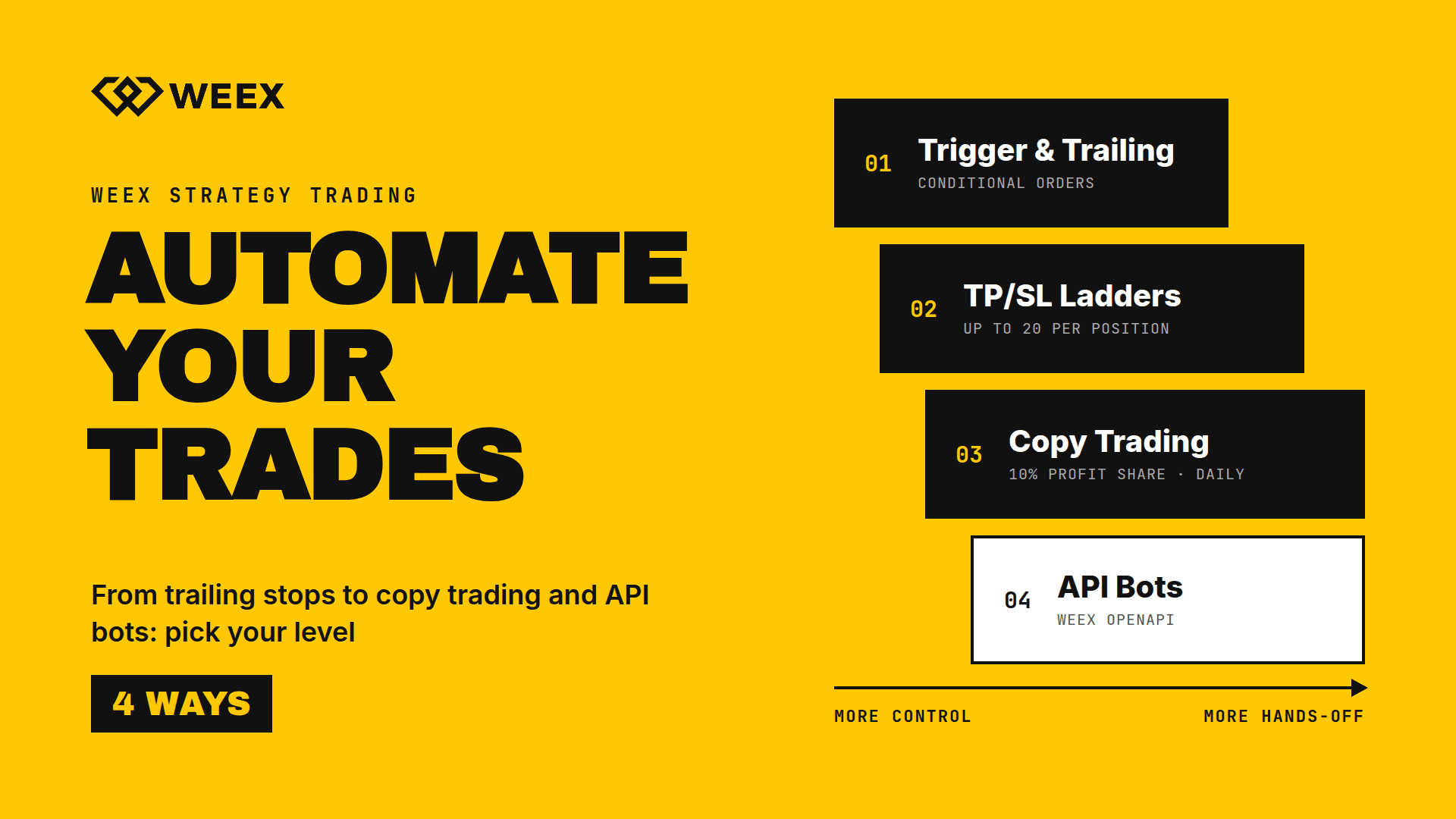
WEEX Strategy Trading: 4 Ways to Automate Your Crypto Trades
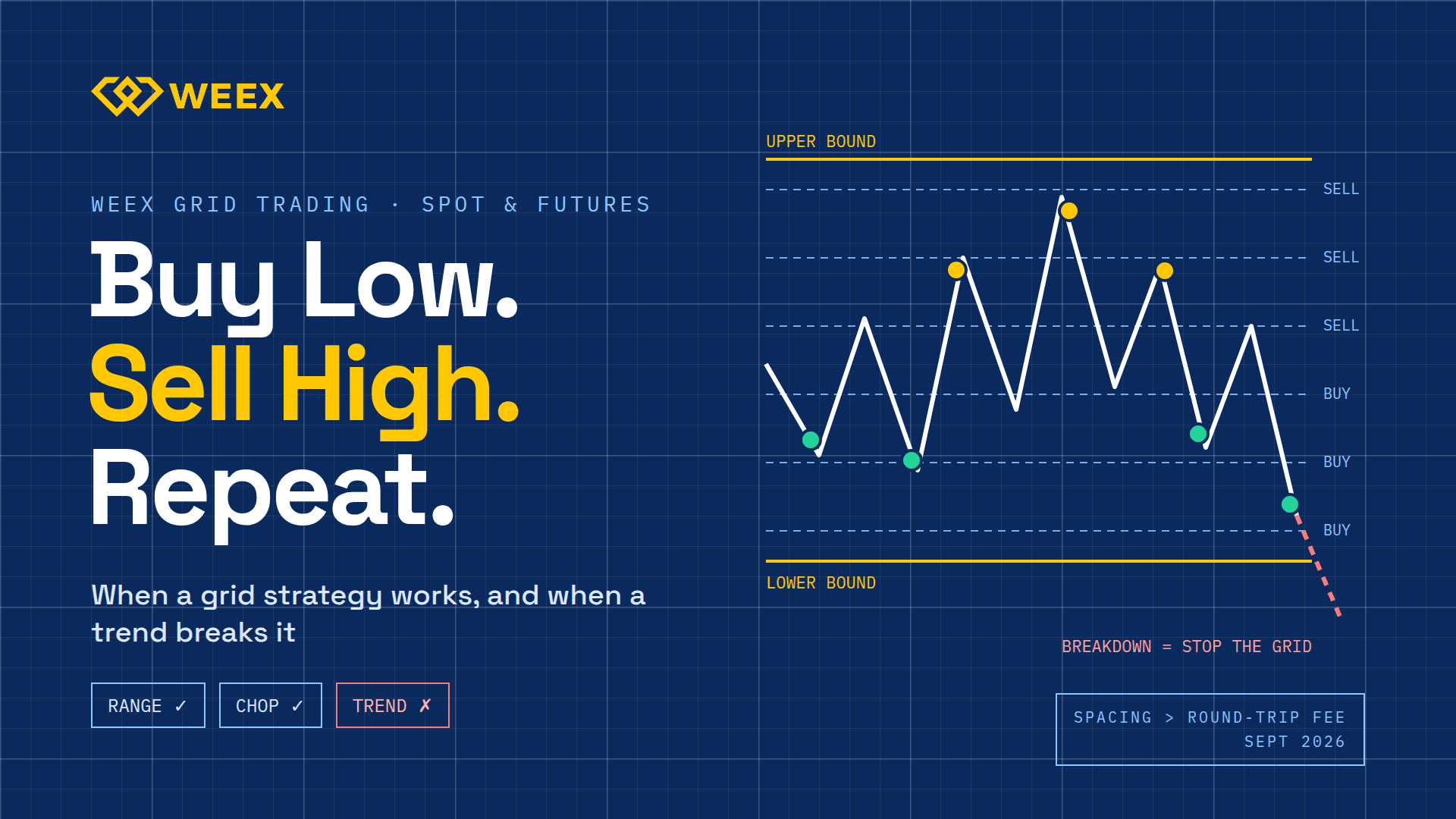
WEEX Grid Trading: When a Grid Strategy Works and When It Fails
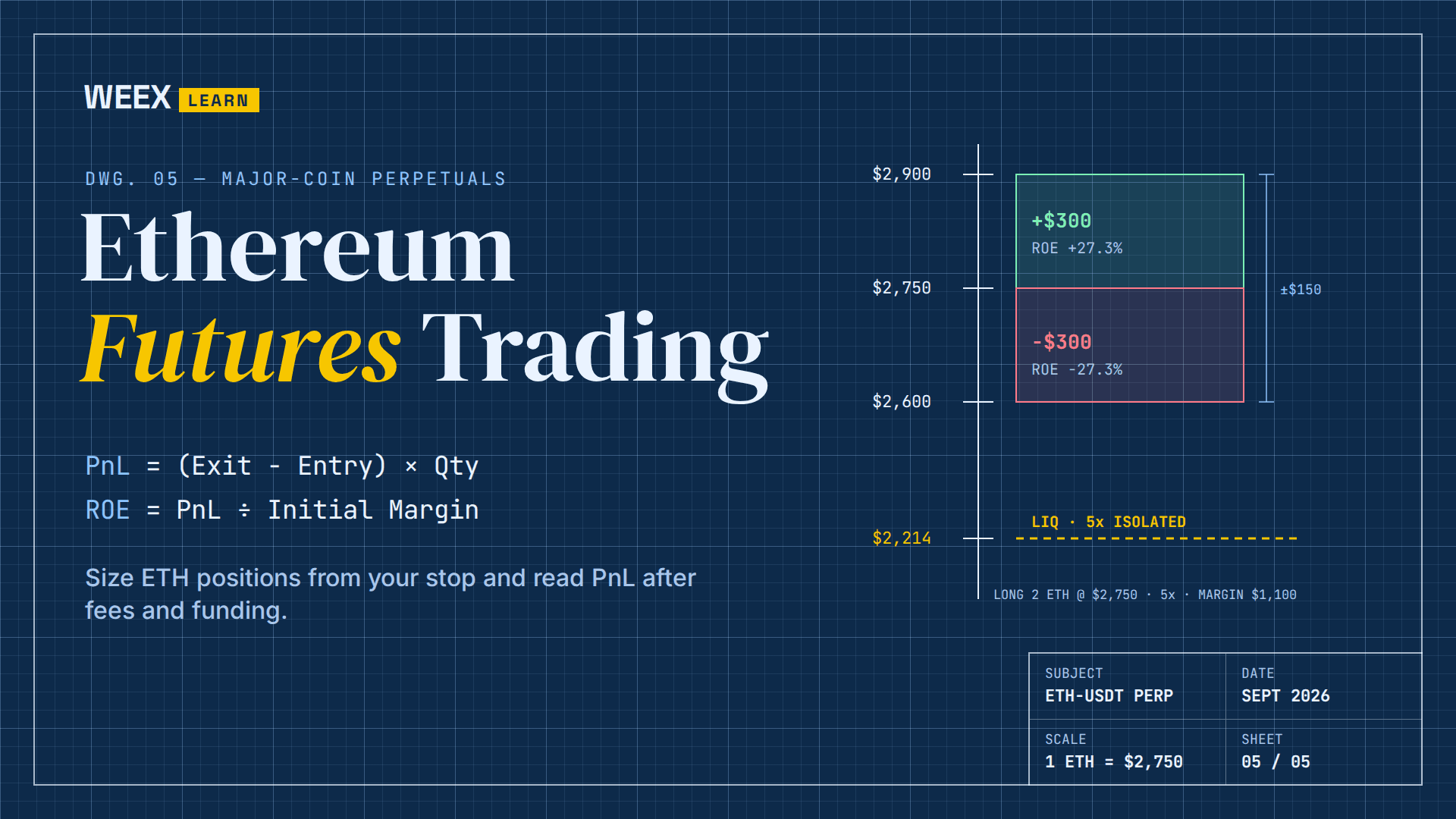
Ethereum Futures Trading: How to Size ETH Positions and Read PnL
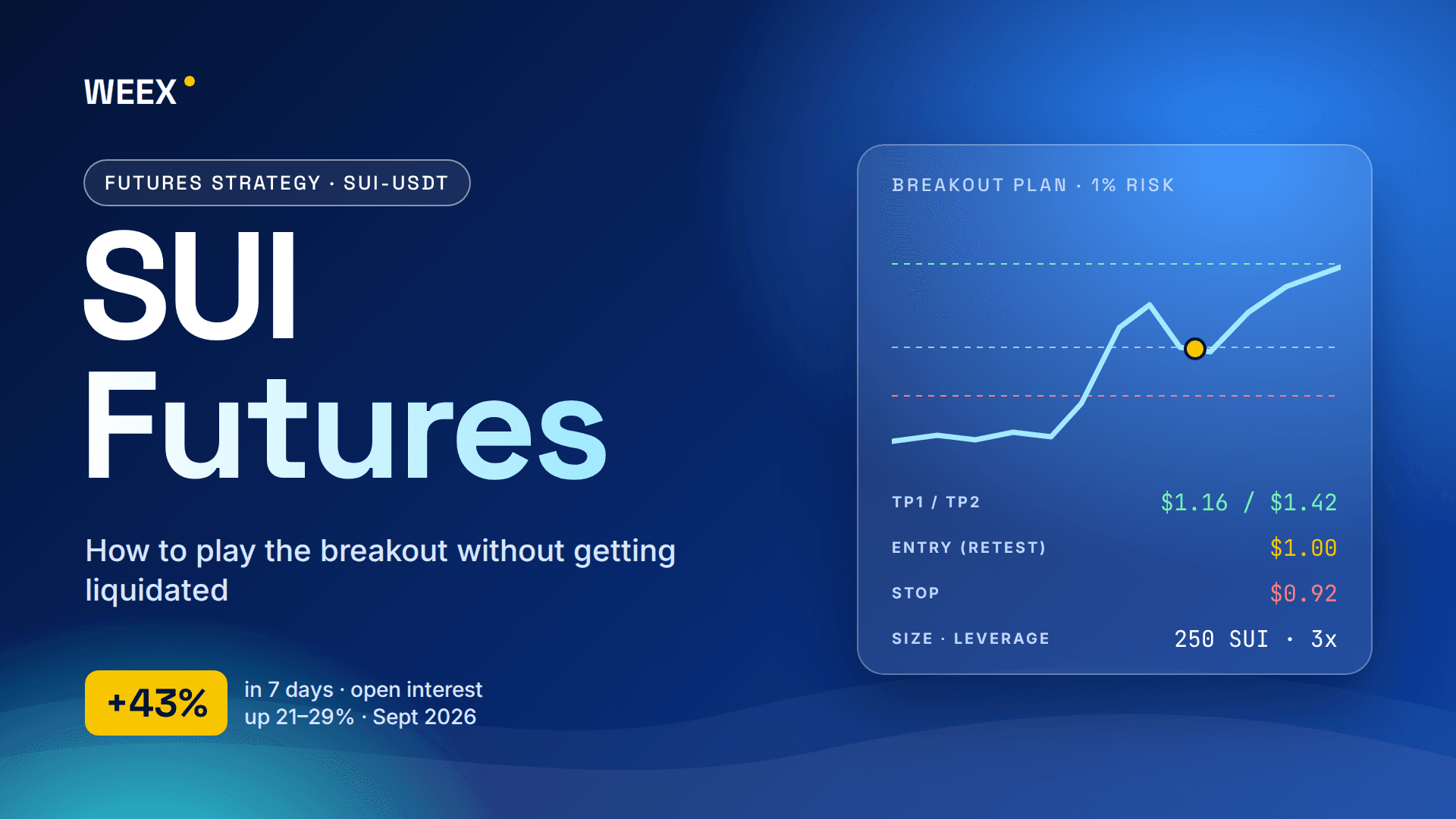
SUI Futures Trading: How to Play the Breakout Without Liquidation
Bitcoin Short Squeeze Explained: Inside the $648M Sept 21 Wipeout
INJ Meridian Upgrade: What Activates Sept 24 and What to Watch
Why Is PEPE Up Today? The Meme Coin Liquidity Signal Explained
Crypto Leverage Trading: What 400x Leverage Actually Costs You
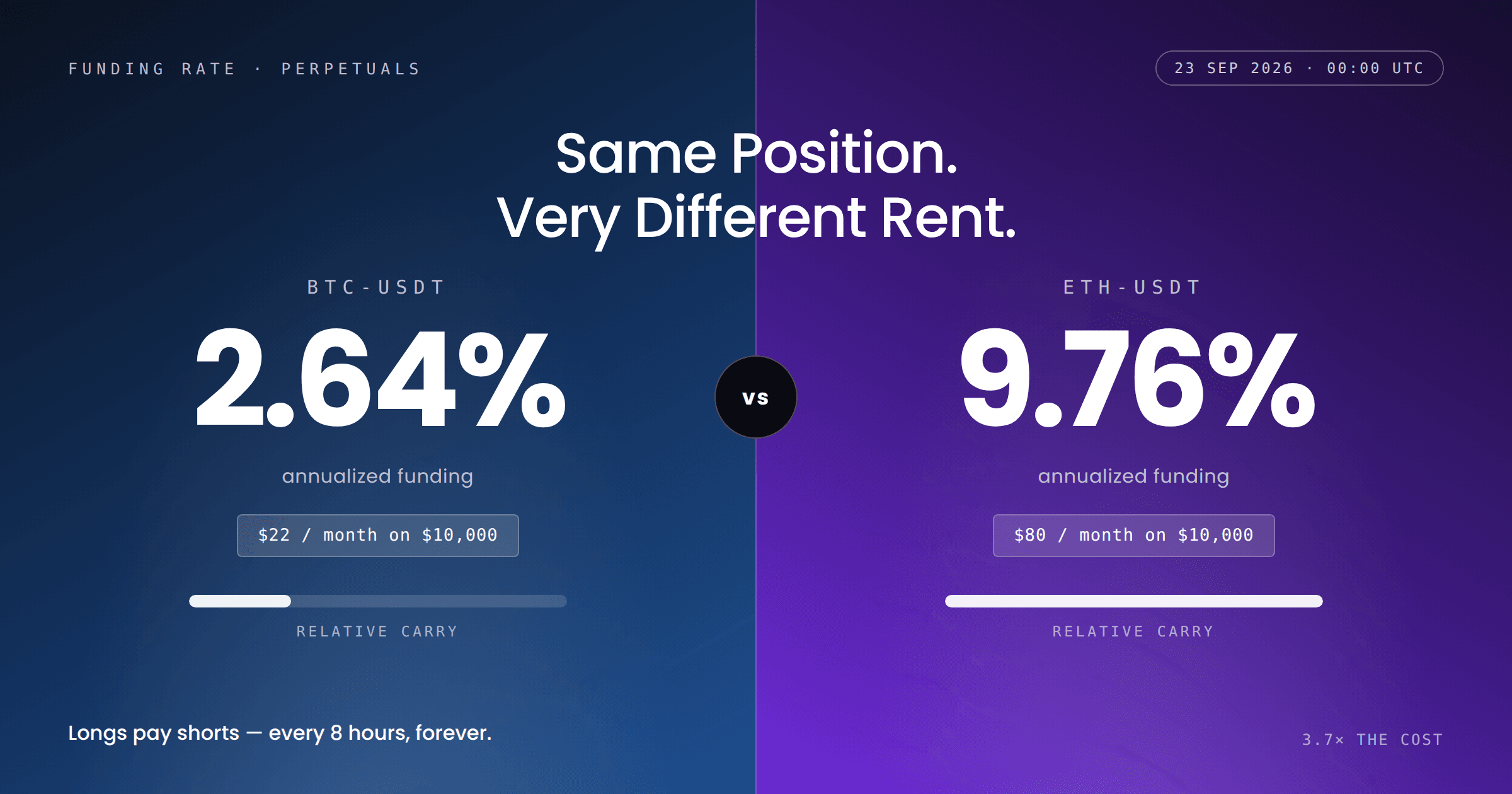
Funding Rate Crypto: What BTC and ETH Are Paying Right Now
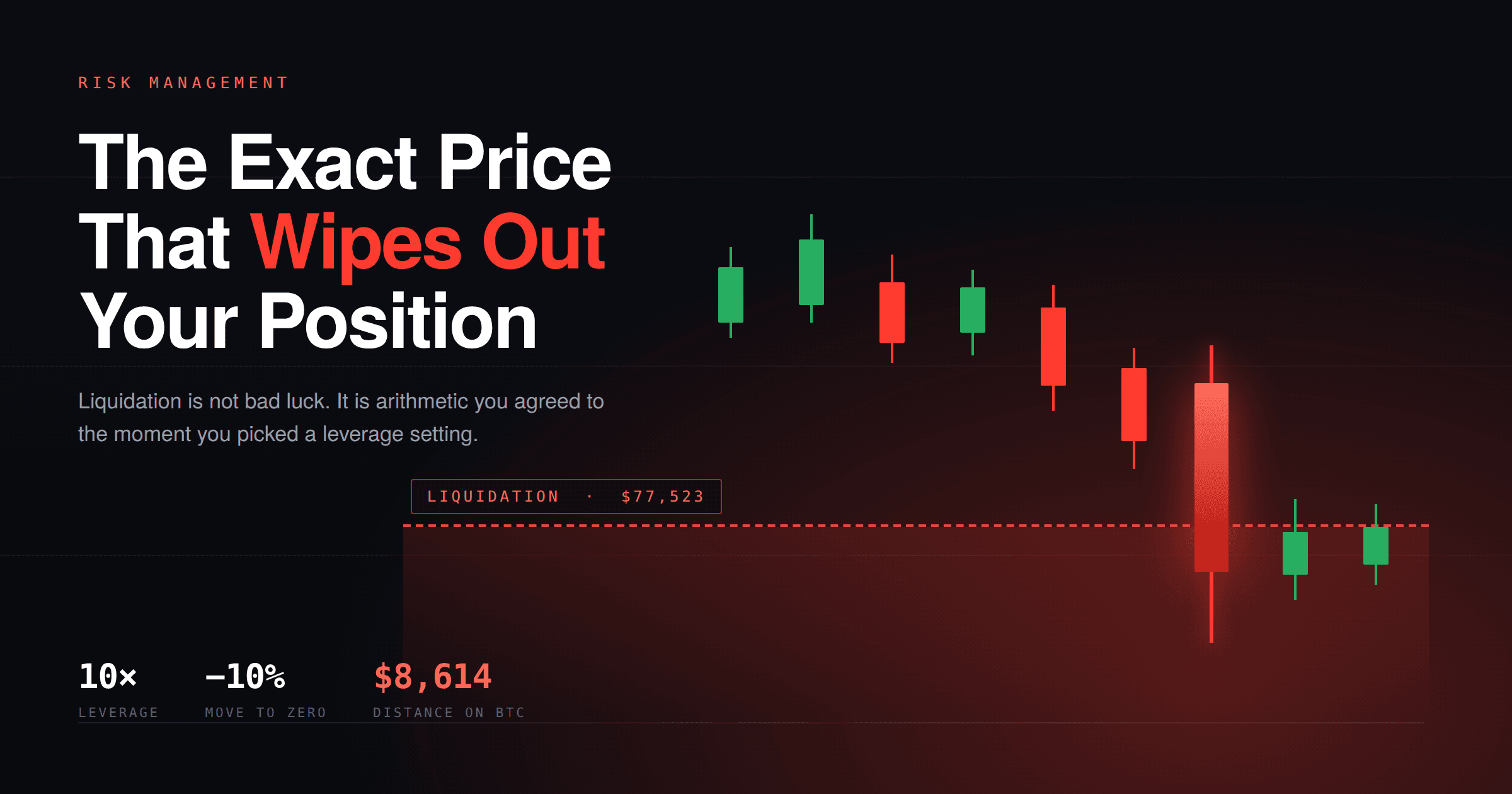
Crypto Liquidation: The Exact Price That Wipes Out Your Position
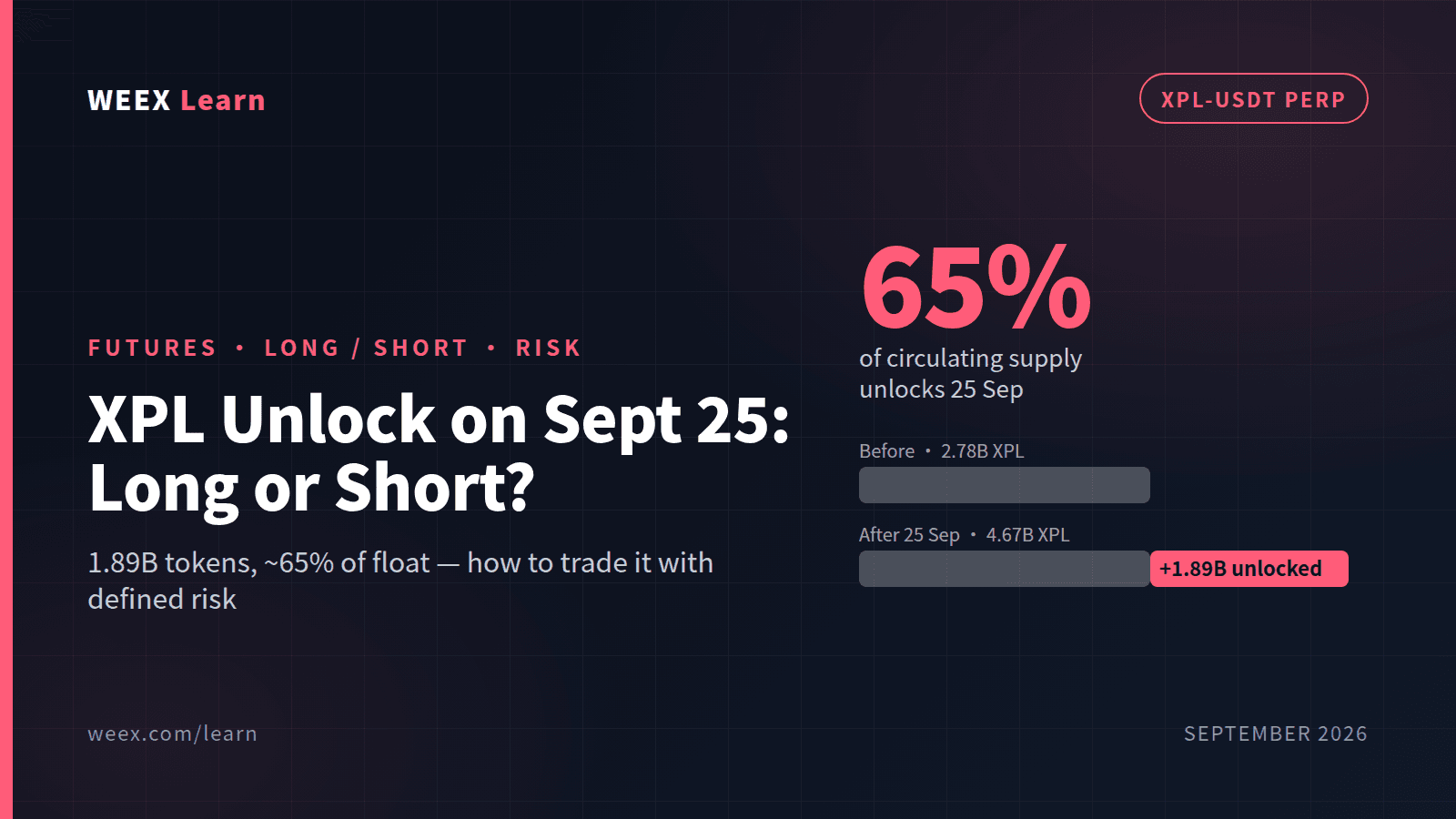
XPL Unlock on Sept 25: How to Long or Short Plasma Futures Safely
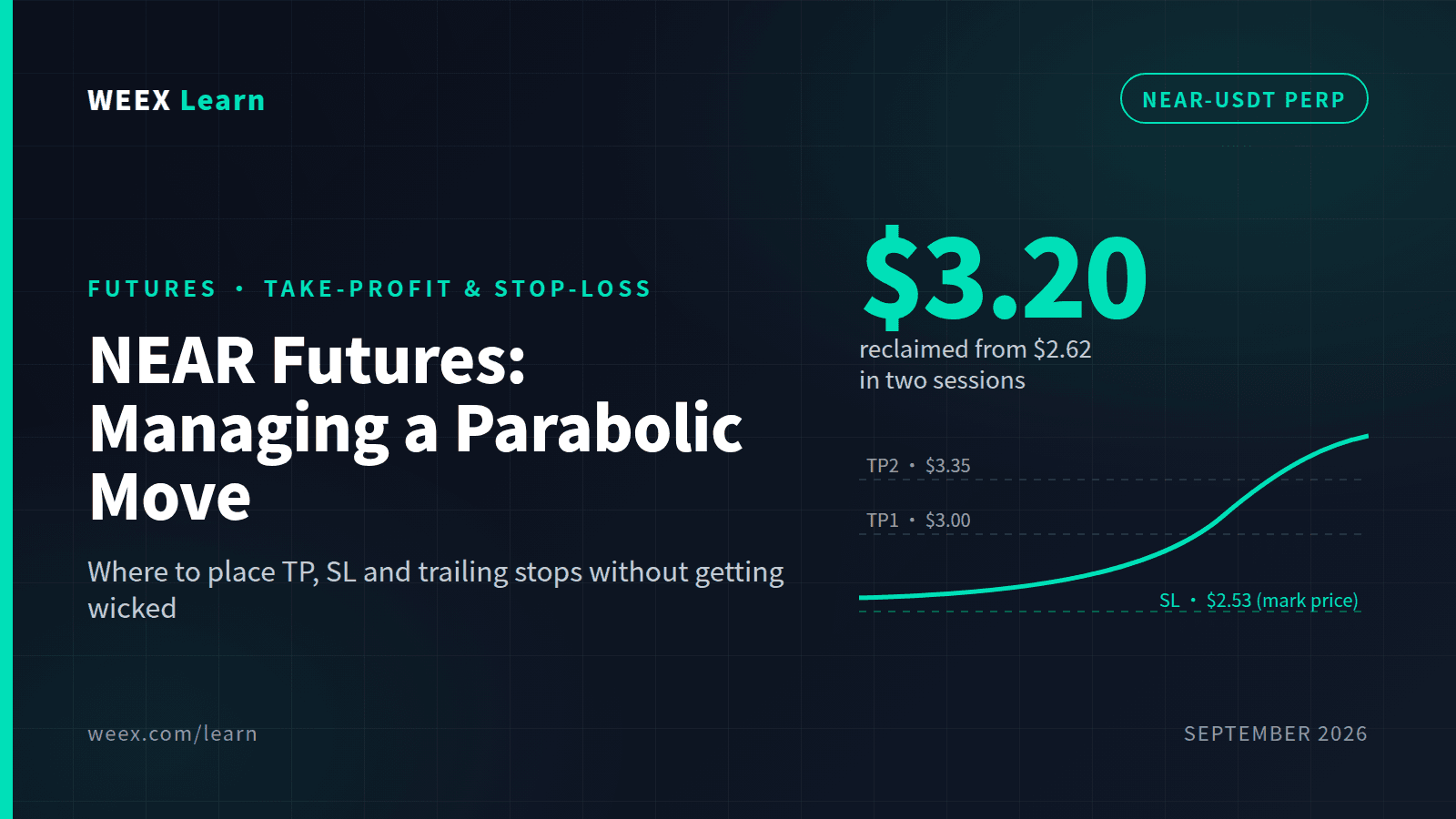
NEAR Futures Take-Profit and Stop-Loss: Managing a Parabolic Move
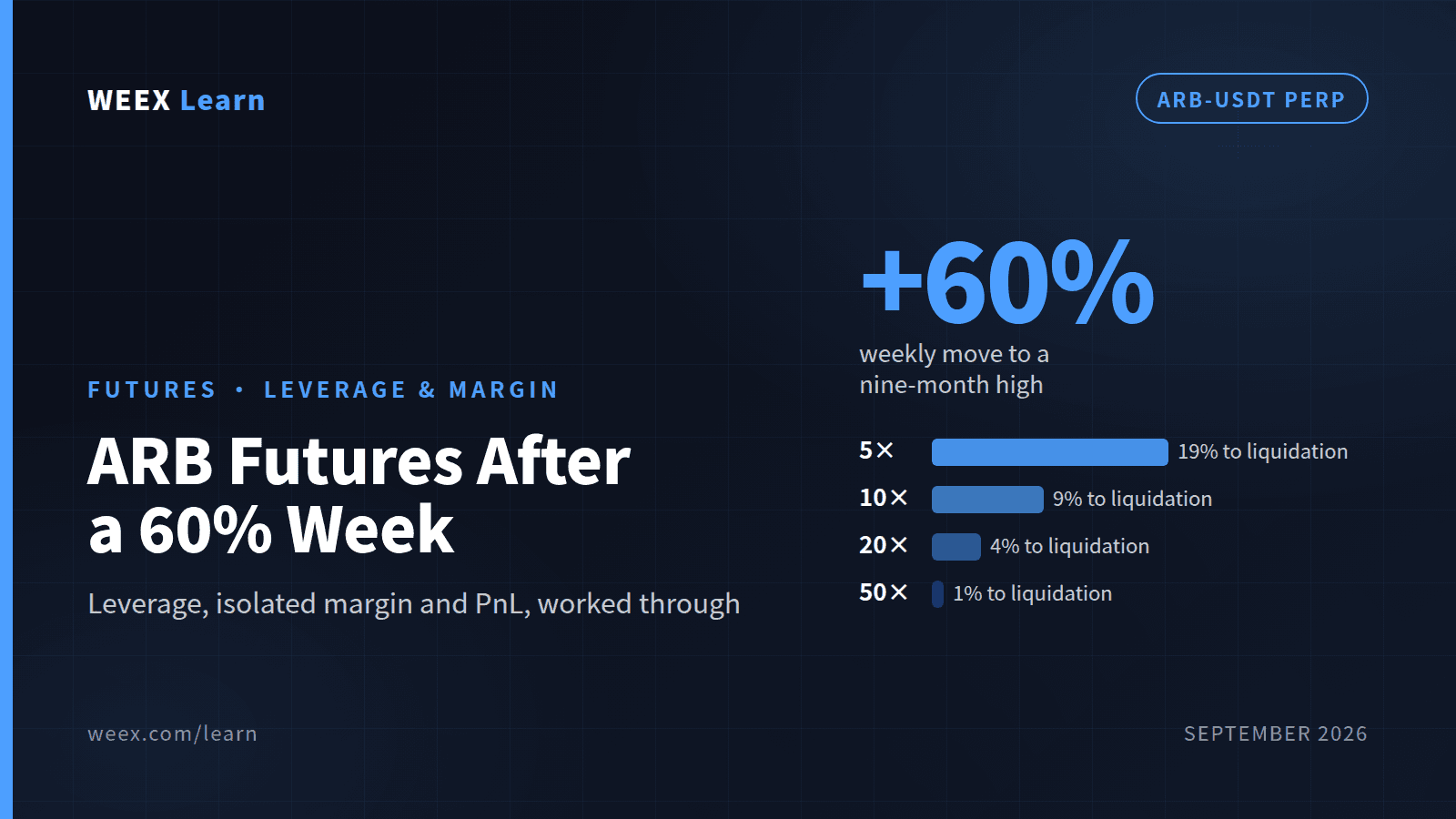
ARB Futures After a 60% Week: Leverage, Isolated Margin and PnL
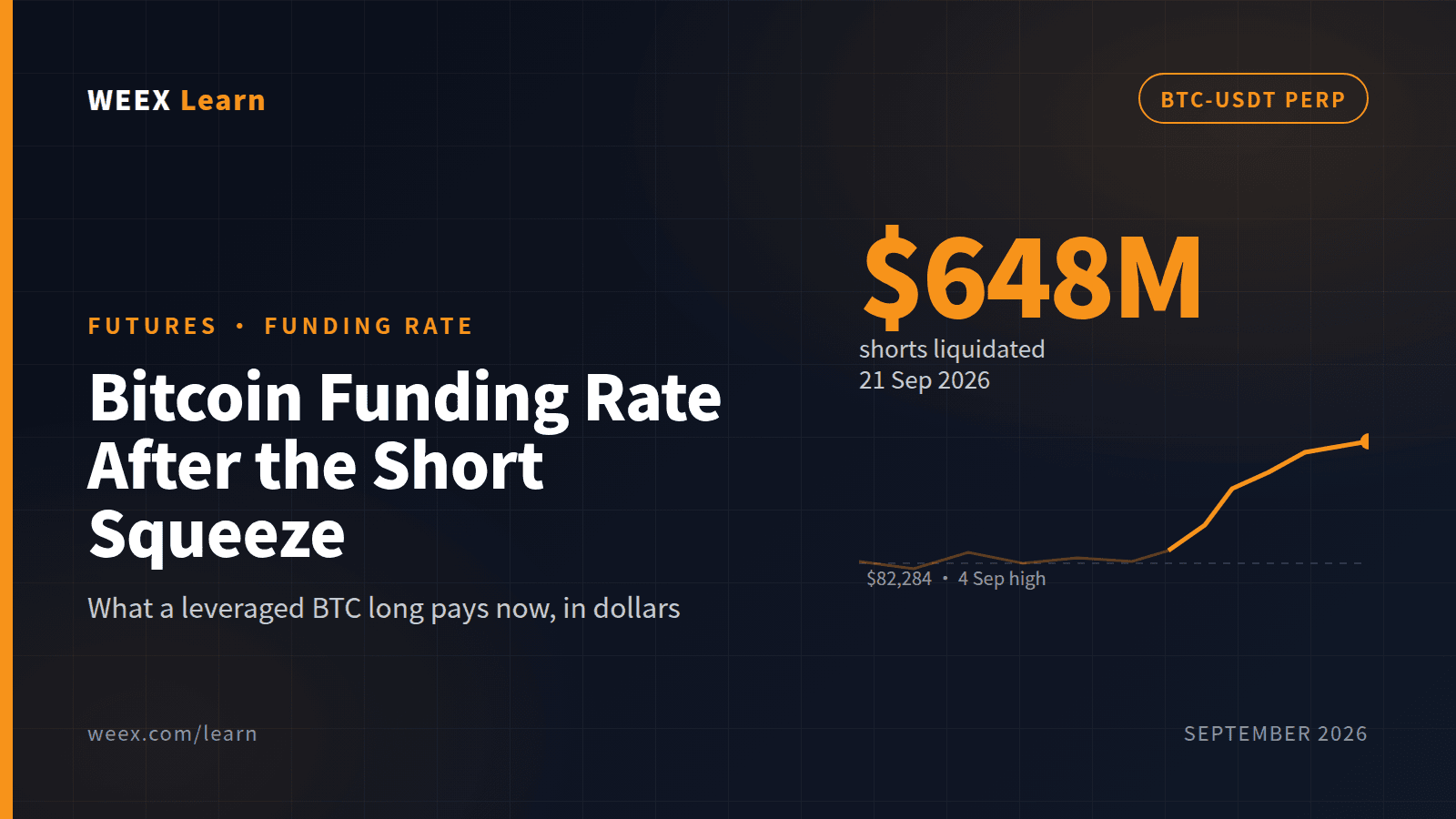
Bitcoin Funding Rate After a $648M Short Squeeze: What Longs Pay
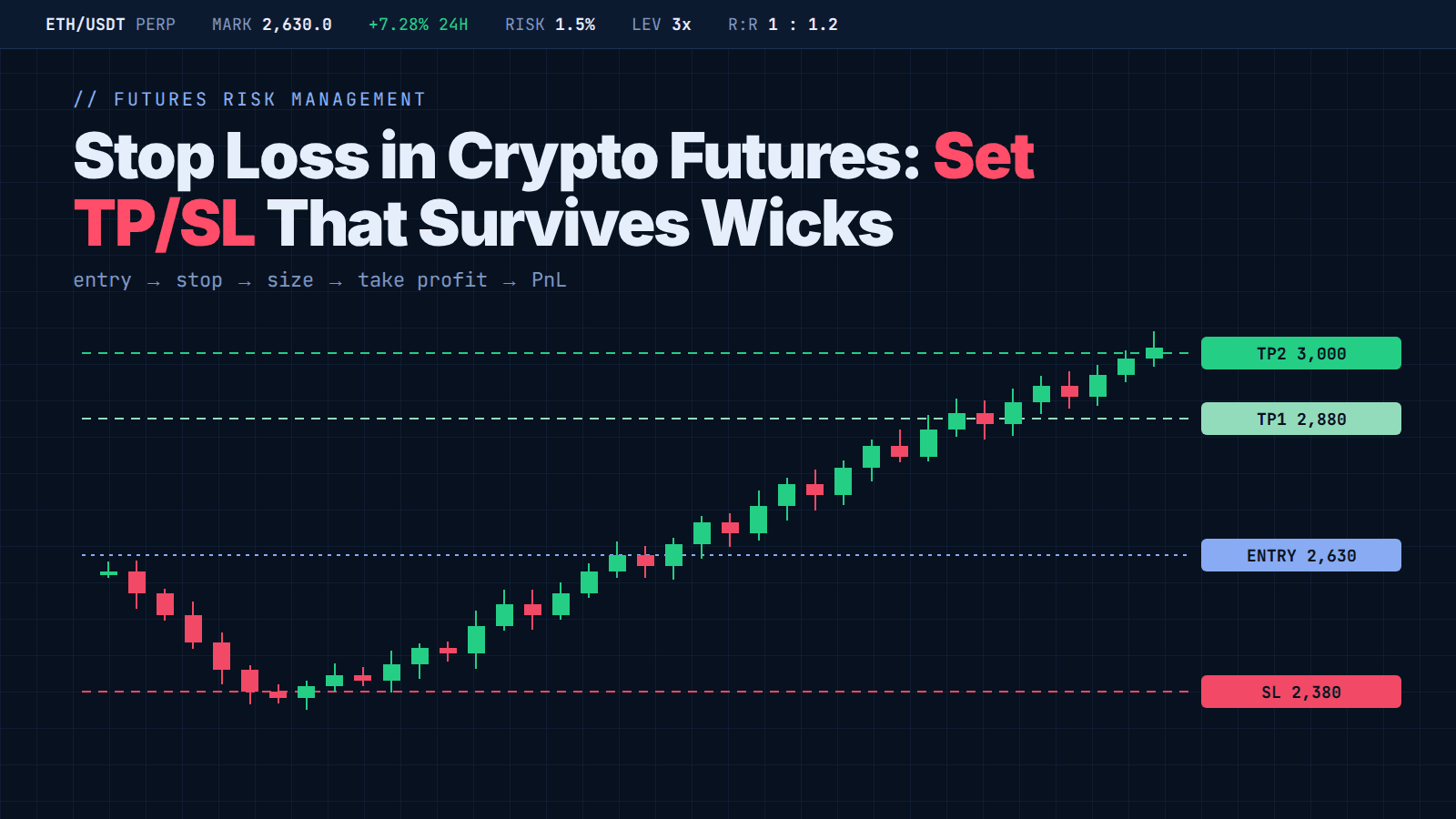
Stop Loss in Crypto Futures: How to Set TP/SL That Survives Wicks
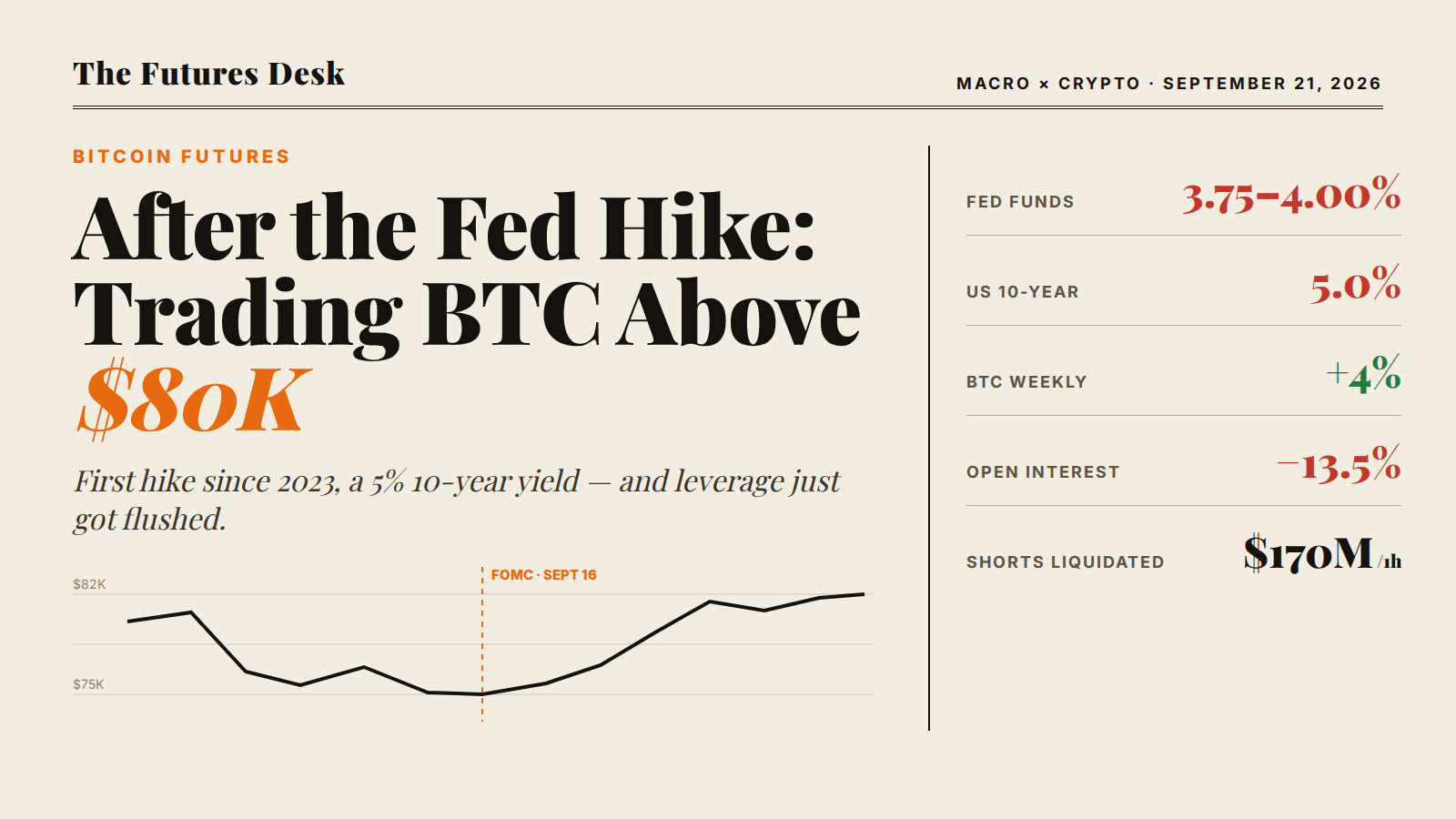
Bitcoin Futures After the Fed Hike: How to Trade BTC Above $80K
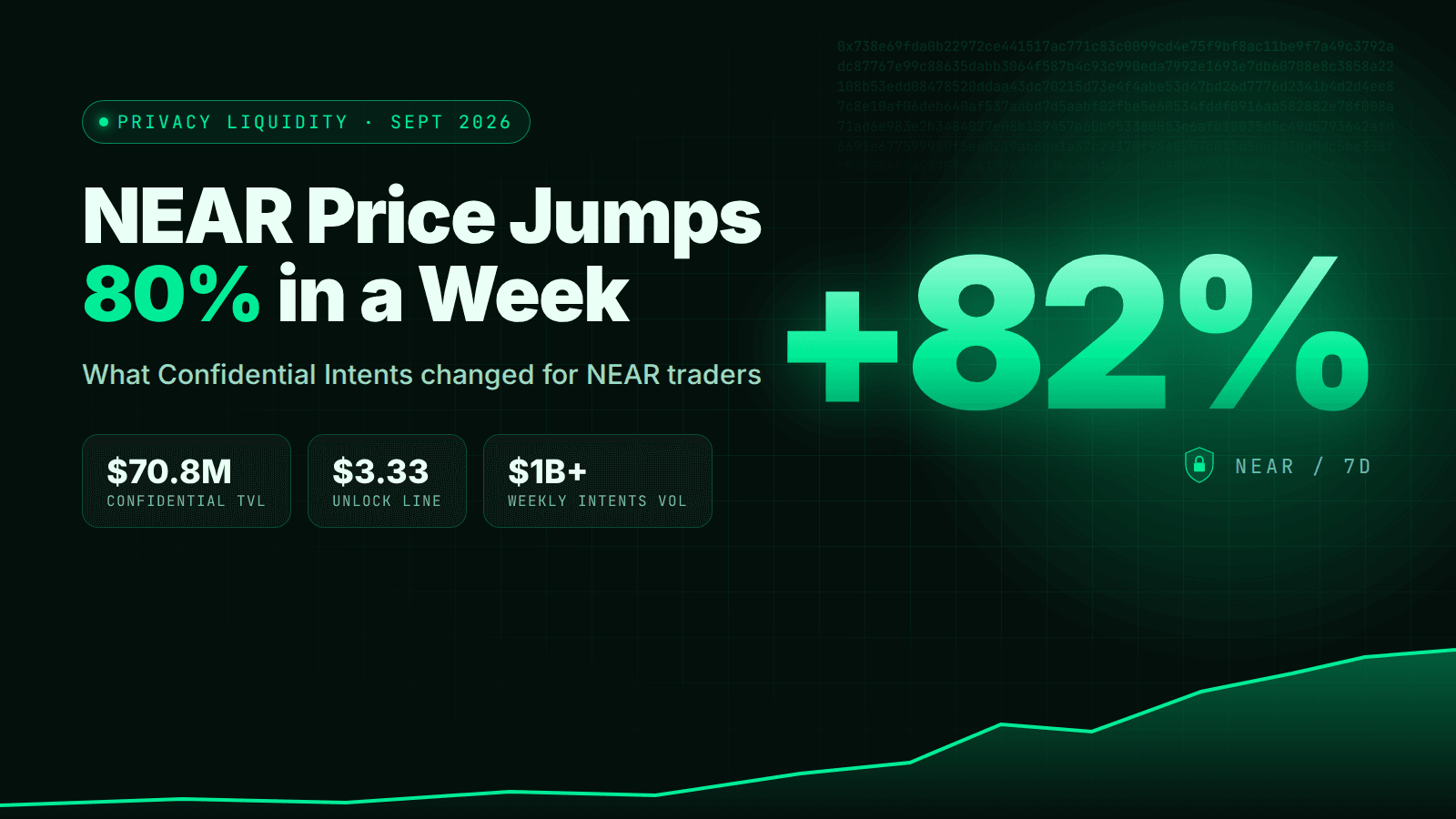
NEAR Price Jumps 80% in a Week: What Confidential Intents Changed
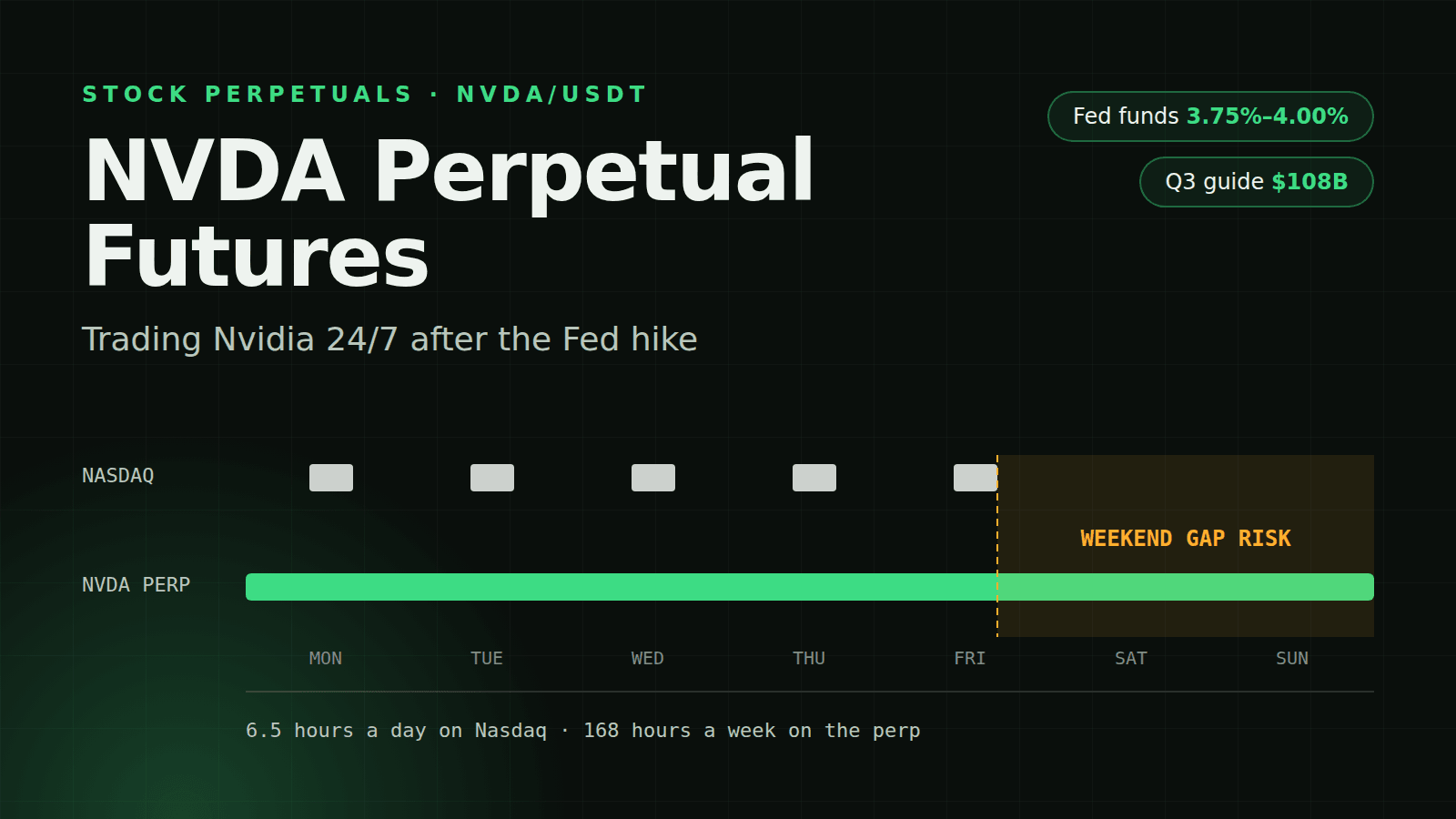
NVDA Perpetual Futures: Trading Nvidia 24/7 After the Fed Hike
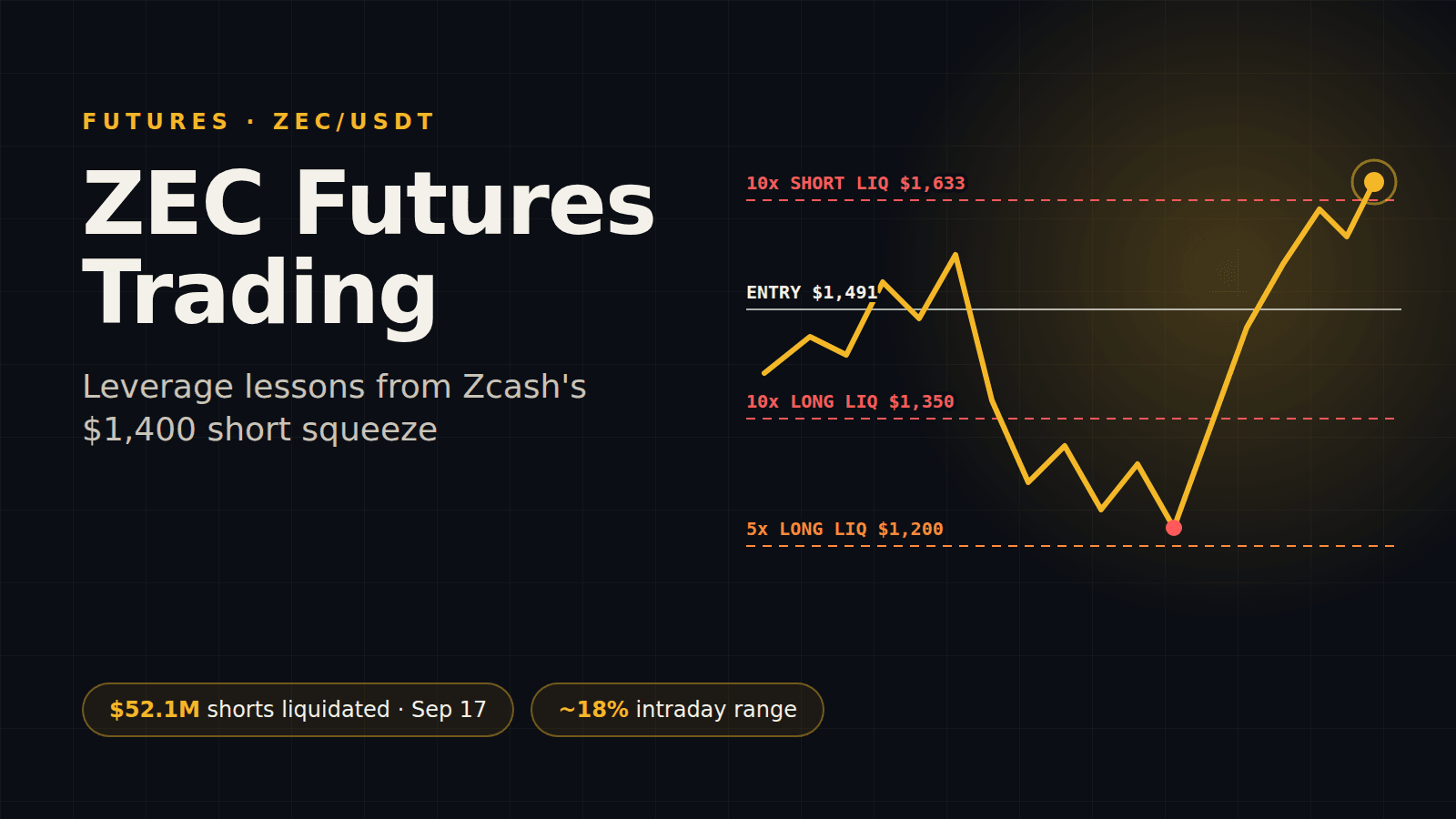
ZEC Futures Trading: Leverage Lessons From Zcash's $1,400 Squeeze
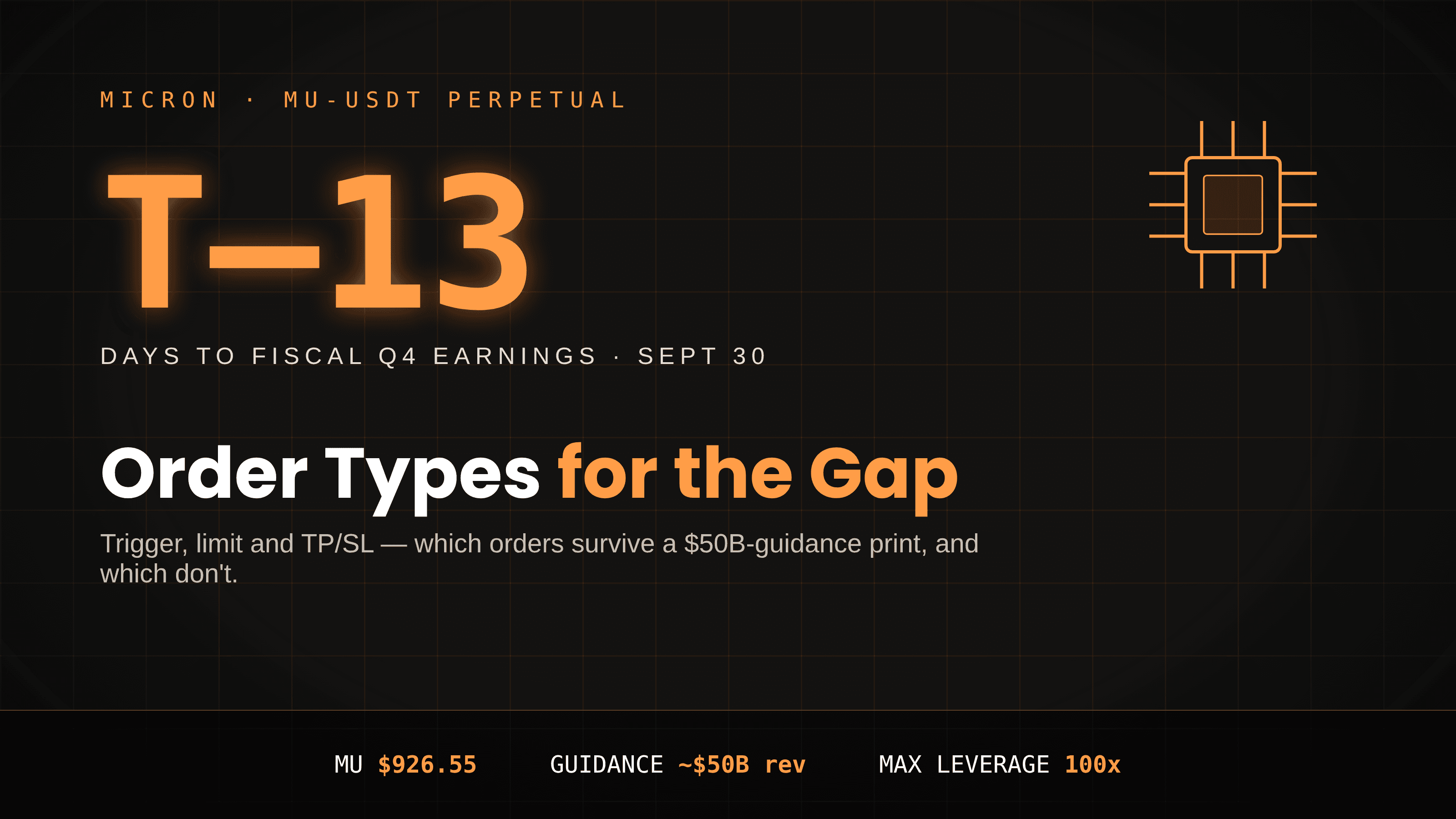
Micron Earnings Sept. 30: Order Types and TP/SL on MU Perpetuals
Lumentum (LITE) Perpetual Futures: Why 25x Leverage Is the Limit
Lighter (LIT) Futures: Cross vs Isolated Margin on a 17% Range
SOL Perpetual Contracts: Mark Price, Index Price and Liquidation
XRP Futures: How to Long or Short XRP After the Clarity Act Vote
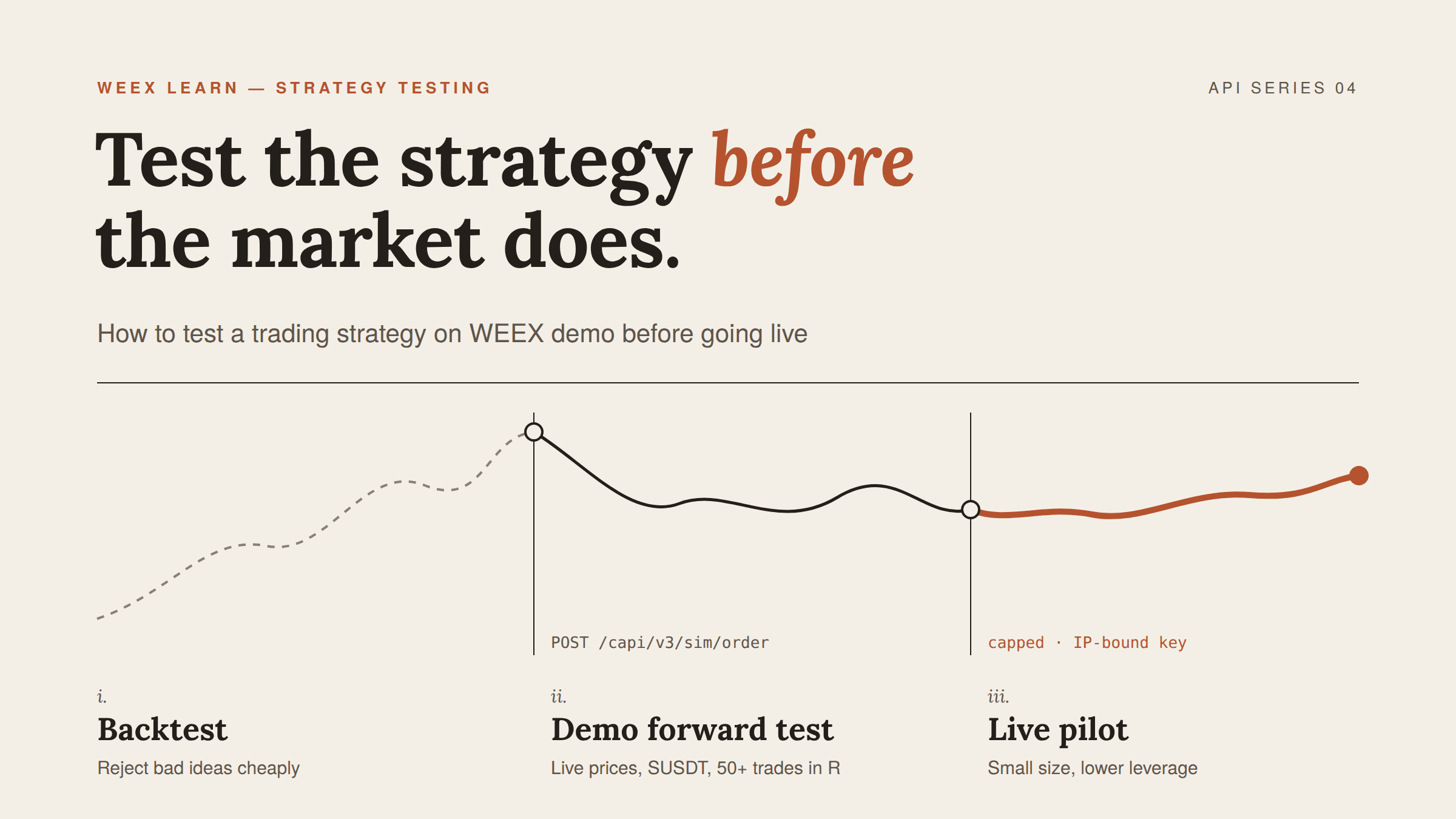
How to Test a Trading Strategy on WEEX Demo Before Going Live
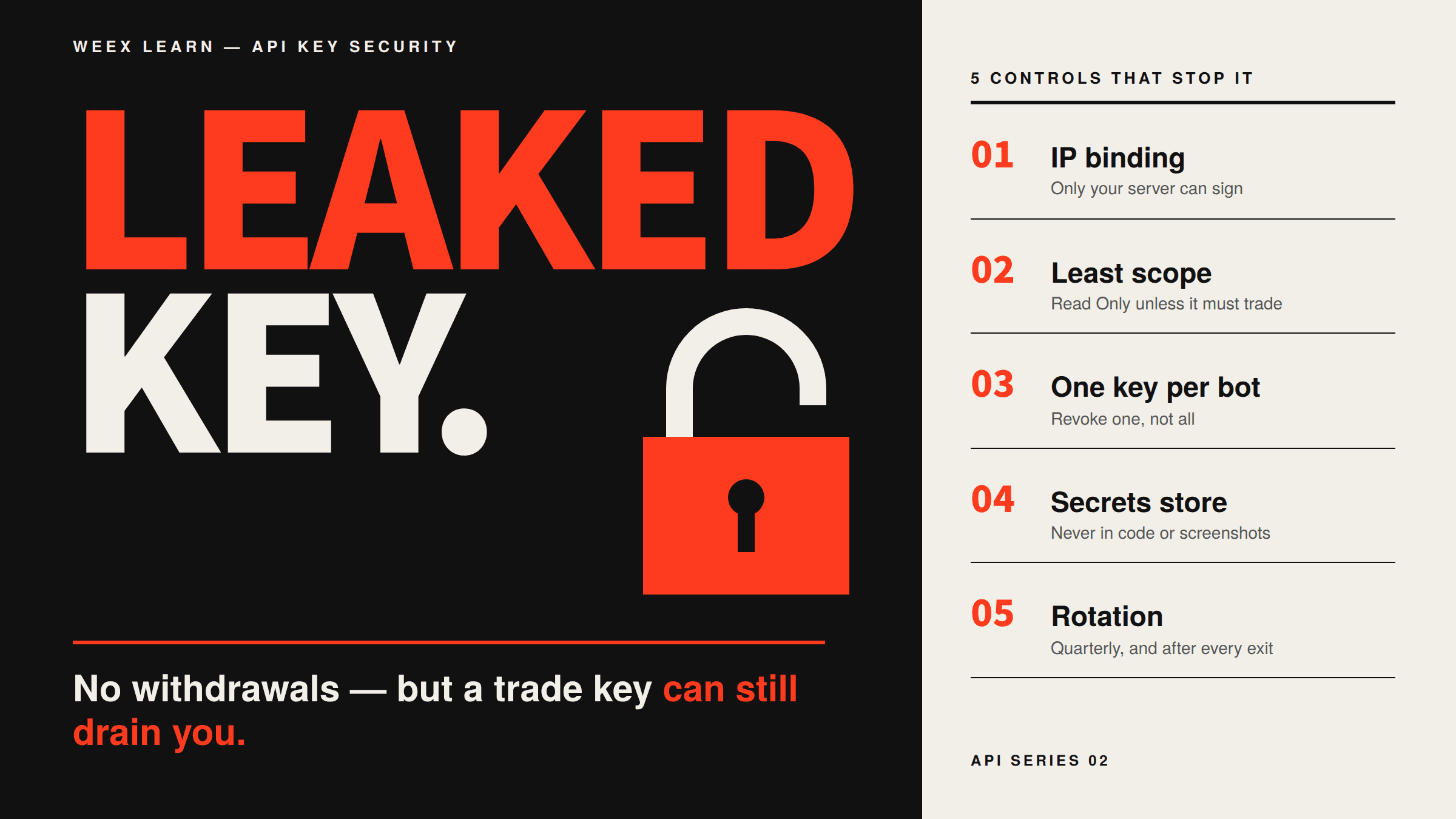
WEEX API Key Security: What a Leaked Key Can Still Do to You

CoinEx Is Closing: Shutdown Timeline and How to Withdraw Before September 29, 2026
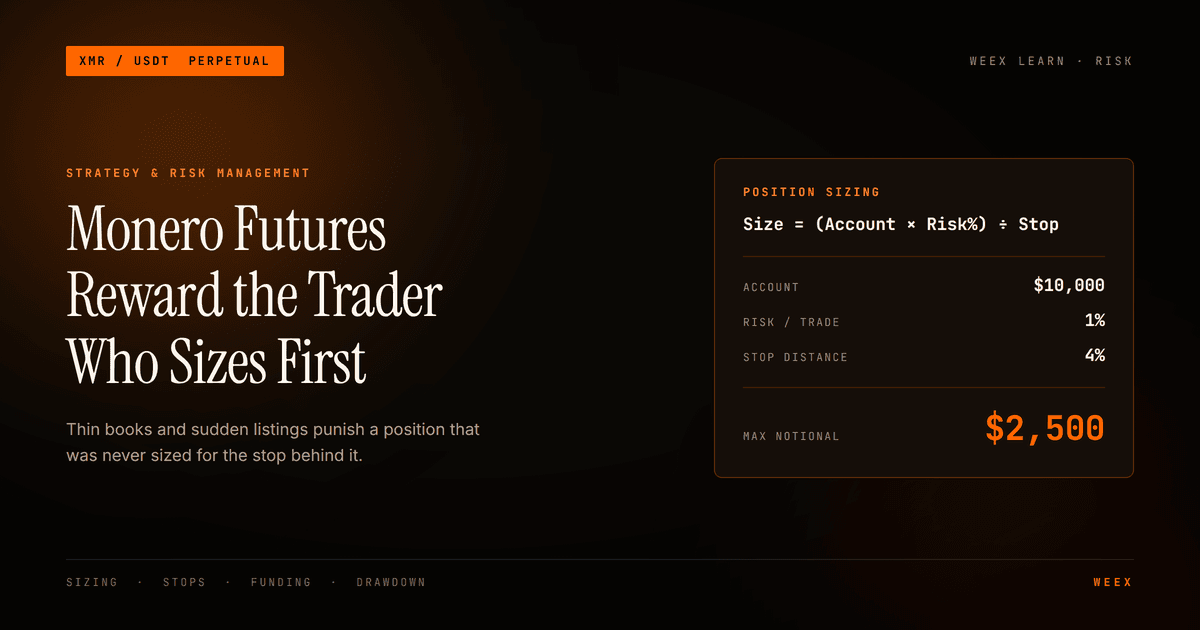
Monero Futures Trading: The Liquidity Risk Guides Ignore
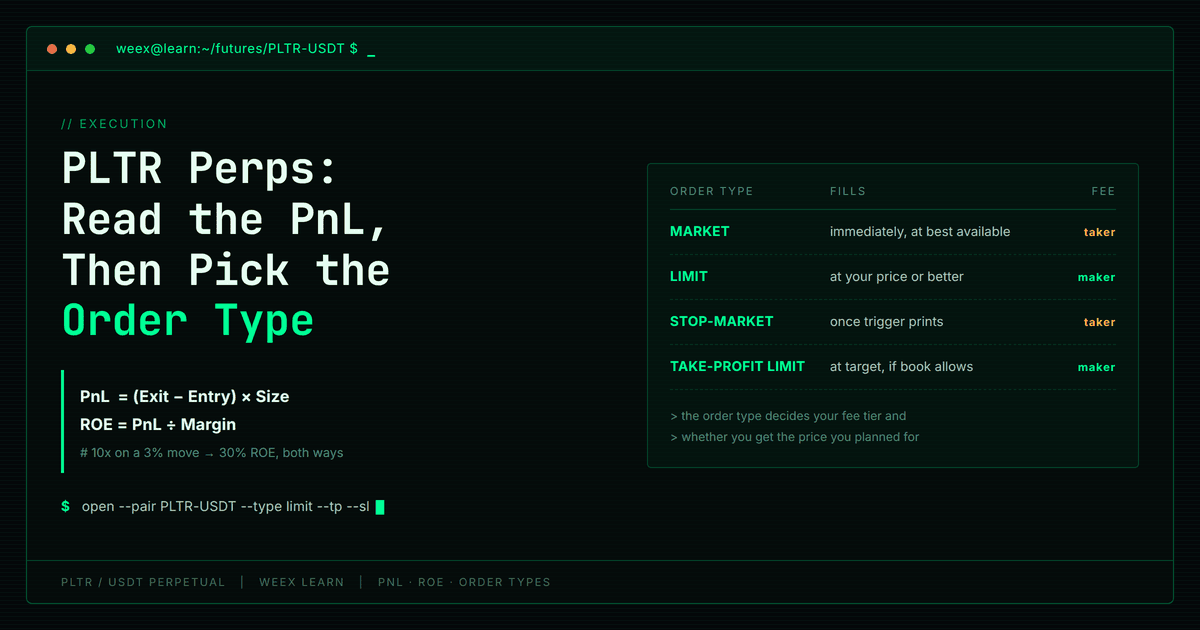
Palantir Stock 24/7: How PLTR Perpetual Futures Really Price
AVAX Futures: Trading the Avalanche RWA Catalyst With Leverage
WEEX Strategy Trading: 4 Ways to Automate Your Crypto Trades
WEEX Grid Trading: When a Grid Strategy Works and When It Fails
Ethereum Futures Trading: How to Size ETH Positions and Read PnL
SUI Futures Trading: How to Play the Breakout Without Liquidation
Bitcoin Short Squeeze Explained: Inside the $648M Sept 21 Wipeout
INJ Meridian Upgrade: What Activates Sept 24 and What to Watch




