
WEEX Strategy Trading: 4 Ways to Automate Your Crypto Trades

 Prefer us on Google


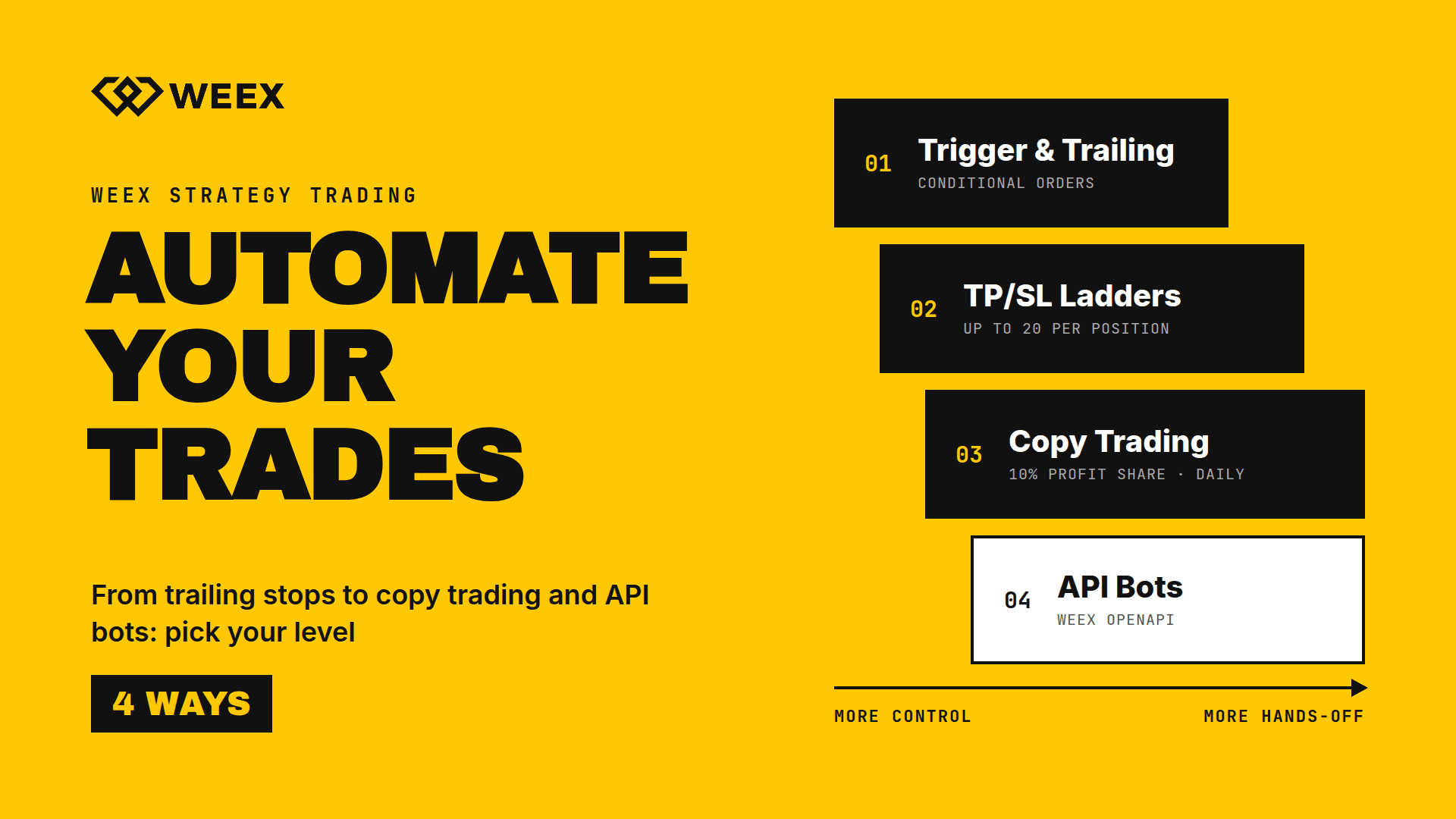
WEEX strategy trading covers the tools that let a plan run without you clicking at the right moment: conditional orders (trigger, trailing stop and TP/SL), copy trading that mirrors an elite trader's positions, and fully automated trading through the WEEX OpenAPI. They sit on a range from light automation to fully hands-off. This guide explains what each one automates, what it costs, and which kind of trader it suits, so you can choose the right level of WEEX automated trading rather than jumping straight to a bot.
What WEEX Strategy Trading Actually Automates
A trading strategy has four parts: entry, exit, position size, and what to do when the trade goes wrong. Each WEEX tool automates a different combination of these:
- Conditional orders automate entries and exits you have already chosen.
- Take-profit and stop-loss ladders automate the full exit plan for a position.
- Copy trading hands every decision to another trader, and you control only how much to allocate and when to stop.
- API trading automates everything, according to rules you write in code.
The more a tool automates, the more your result depends on rules you are no longer checking in real time. That trade-off is what the choice comes down to.
Layer 1: Trigger and Trailing Stop Orders
Conditional orders are the simplest form of WEEX automated trading, and most traders should start here.
Trigger orders stay hidden from the order book until the market reaches a trigger price you set. At that point they are submitted as a market or limit order. They suit breakout entries ("buy if BTC clears the range high") and emergency exits you don't want visible on the book.
Trailing stop orders take a callback percentage instead of a fixed price. As the market moves in your favor, the trigger price moves with it. When price reverses by the callback amount, the order fires. A trailing stop locks in more of a trend without you having to guess where the top is.
Both are covered in WEEX's futures guide to market, limit, trigger and trailing stop orders. The skill is in setting the callback: too tight and normal swings stop you out, too loose and you give back most of the gain. Base it on the asset's typical pullback, not on a round number.
Layer 2: Take-Profit and Stop-Loss Ladders
WEEX lets you attach up to 20 TP/SL orders to a single futures position, according to its TP/SL documentation. That turns a one-line exit into a full exit plan:
- Take a third of the position off at the first target, a third at the second, and trail the rest.
- Put a hard stop below structure, plus a closer partial stop that cuts size if momentum fails.
- Set everything at entry so the plan runs even if you are asleep or offline.
TP/SL orders trigger on the last price and execute at the best available price. In a fast market they can fill partially or at a worse price. When the full position is closed, WEEX cancels any attached TP/SL orders automatically.
-- Price
Layer 3: WEEX Copy Trading
Copy trading is the most hands-off option: your account automatically copies an elite trader's futures positions in real time. You choose whom to follow and how much capital to allocate. The elite trader makes the trading decisions.
Key mechanics as of September 2026, from WEEX's copy trading help center and profit-share rules:
- Elite traders earn a 10% profit share, calculated as (copier's profit − fee) × 10%.
- Profit share settles daily. An estimate is deducted when a position closes, then trued up at 12:00 AM the next day, and any overpayment is refunded to the copier.
- If copied positions are still open, settlement waits until they close.
What to check before copying: the trader's maximum drawdown, not just their ROI, plus their typical leverage, how long they hold positions, and whether the results come from many trades or a couple of lucky ones. Copying moves the decisions to someone else, but you still carry all of the risk.
Layer 4: API-Based Automated Trading
For full automation, the WEEX OpenAPI connects your own code or a third-party program to the Spot, Futures and Copy Trading modules. That allows rule-based bots such as grids, DCA schedules, trend-following systems and custom quantitative strategies, running 24/7 without manual input.
API trading gives you the most control and the most responsibility. The strategy, the risk limits, error handling and key security are all on you. New WEEX API keys default to read-only, so trading permission has to be switched on deliberately. Keys can be restricted to specific IP addresses. Both settings are worth keeping.
Which WEEX Automated Trading Tool Fits You?
Match the layer to how involved you want to be and what you are able to build:
- You have a strategy but miss entries or exits: start with trigger and trailing stop orders.
- You close winners too early or hold losers too long: set TP/SL ladders at entry and leave them alone.
- You don't have time or experience to trade actively: copy trading, with a small allocation spread across more than one trader.
- You can code and have a tested rule set: the WEEX API, starting in demo mode.
Whichever you pick, test it first. WEEX demo futures give new users 50,000 in demo funds for BTC and ETH futures, so you can see how trailing stops, TP/SL ladders and bot logic behave before real money is involved.
FAQ
1. Does WEEX support automated trading?
Yes. WEEX supports automated trading through conditional orders (trigger, trailing stop, TP/SL), copy trading that mirrors elite traders' futures positions, and the WEEX OpenAPI for custom bots and quantitative strategies.
2. How much does WEEX copy trading cost?
Elite traders receive 10% of a copier's net profit after fees, settled daily. There's no profit share on losing days, but normal futures trading fees still apply to copied positions.
3. What is the difference between a trigger order and a trailing stop on WEEX?
A trigger order fires at a fixed price you set in advance. A trailing stop follows the market by a callback percentage, so its trigger price moves in your favor as the trade works, and it fires only when price reverses by that amount.
4. Is WEEX automated trading safe for beginners?
Conditional orders and TP/SL are beginner-friendly because they only carry out decisions you have already made. Copy trading and API bots add risks you don't directly control, so beginners should start small and test in demo first.
Choosing Your WEEX Strategy Trading Setup
WEEX strategy trading is a set of layers, not a single product. Conditional orders handle execution discipline, TP/SL ladders handle exits, copy trading handles delegation, and the OpenAPI handles full automation. Most traders get the biggest improvement from the first two layers. Add the others only once you know what problem you are solving, and test each one in demo before it trades real funds.
Risk Warning
Automated and copy trading do not remove market risk. Crypto assets are volatile and you may lose part or all of your capital. Conditional and TP/SL orders can fill partially or at worse prices during fast markets. Copied traders' past results do not guarantee future performance, and their leverage becomes your leverage. API bots can fail through coding errors, connectivity problems or compromised keys. Review your settings regularly, keep position sizes you can afford to lose, and secure your API keys with IP restrictions and minimal permissions.
This content is provided for general informational purposes only and doesn't constitute financial, investment, legal, or tax advice. Any events, rewards, online promotions, or related information mentioned herein should not be considered a recommendation, solicitation, or invitation to purchase, sell, trade, or otherwise deal in any crypto assets. Crypto assets are highly volatile and may result in loss. The availability of WEEX services, products, and related events may vary by region. You are responsible for ensuring that your participation is in accordance with applicable local laws and regulations.
You may also like
What Is Pons Crypto (PONS), and How to Trade PONS on WEEX?

Pi Network vs Other Mobile Mining Projects: What's the Difference

Donald Trump Oil Stock Investments: 9 Names, 6 Tradable Now
Stealth XST Coin: The $1,806 Daily Volume Behind a $2.3M Cap

What Happened to Raini Studios Token? RST After the Game Shutdown

Why Is Raini Studios Token (RST) Up Today Despite Low Trading Volume?

Before You Buy CyberLeek: You Should Know CYBERLEEK Token Risks First
Crude Oil Price Holds Its Iran Premium as Hormuz Stays Shut

犇犇 Coin Explained: How Unitree Robot Dog Meme Is Going Viral

Eiffage Stock (FGR): The Two Engines, the Motorway Concession End Dates and the 26 August 2026 Half-Year Results
SPCX Stock Price and the $116 Billion Lockup Expiry Tomorrow: What Actually Happens on August 6

South Korea Apologizes for SK Hynix Leveraged ETFs: What It Means for SKHA SKHN Holders
GOOG Stock After Q2 Earnings: Why a Record EPS Sank 7%

STABLE Crypto Airdrop Guide: How to Claim 50,000 USDT Rewards on WEEX
USDC Use Cases Explained: Payments, DeFi, Cross-Border Transfers, and Key Risks
What Is a Bagholder?

BlackRock and Ondo's Tokenized Portfolios vs Traditional ETFs: What Actually Changes
WEEX Grid Trading: When a Grid Strategy Works and When It Fails
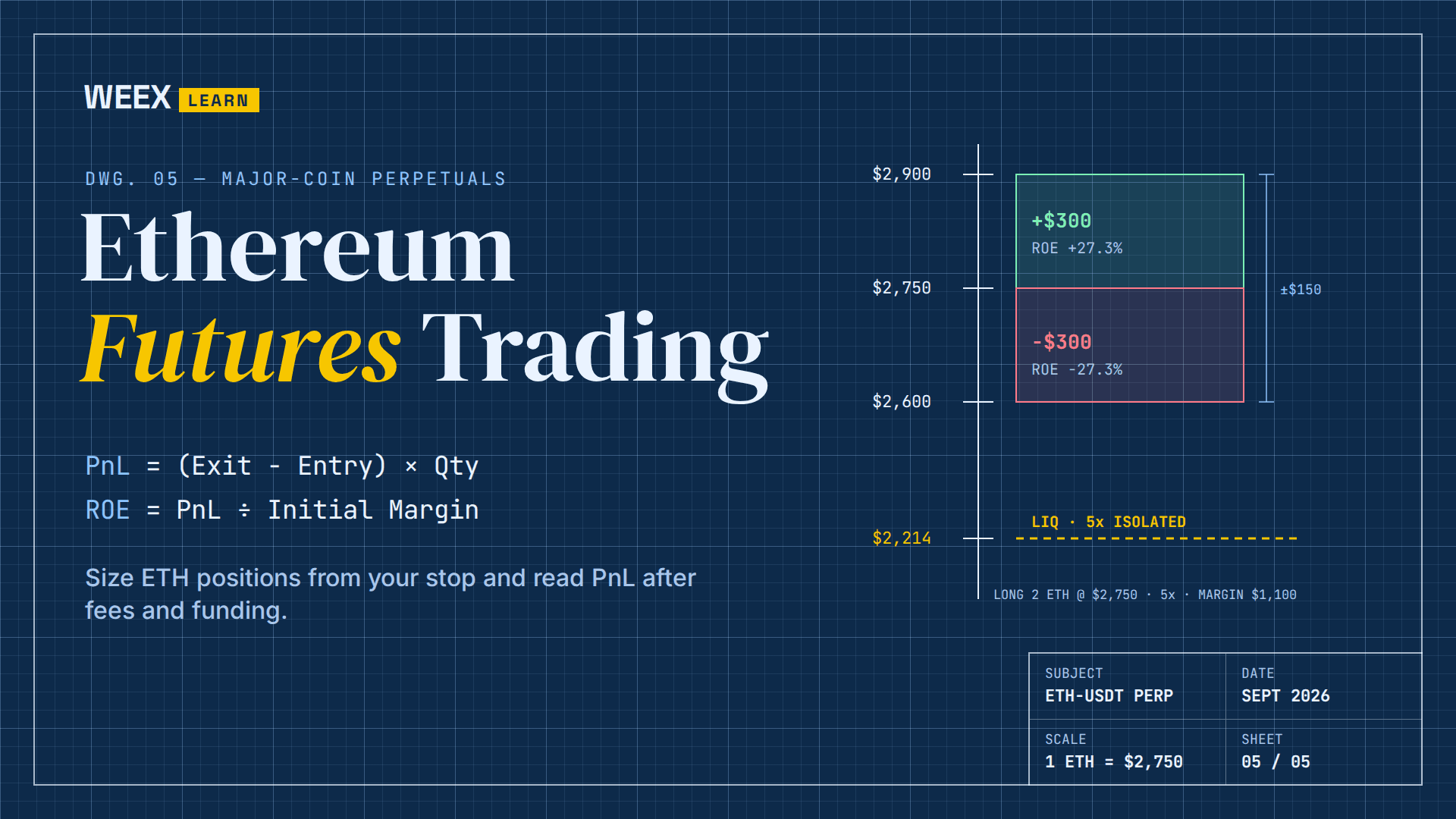
Ethereum Futures Trading: How to Size ETH Positions and Read PnL
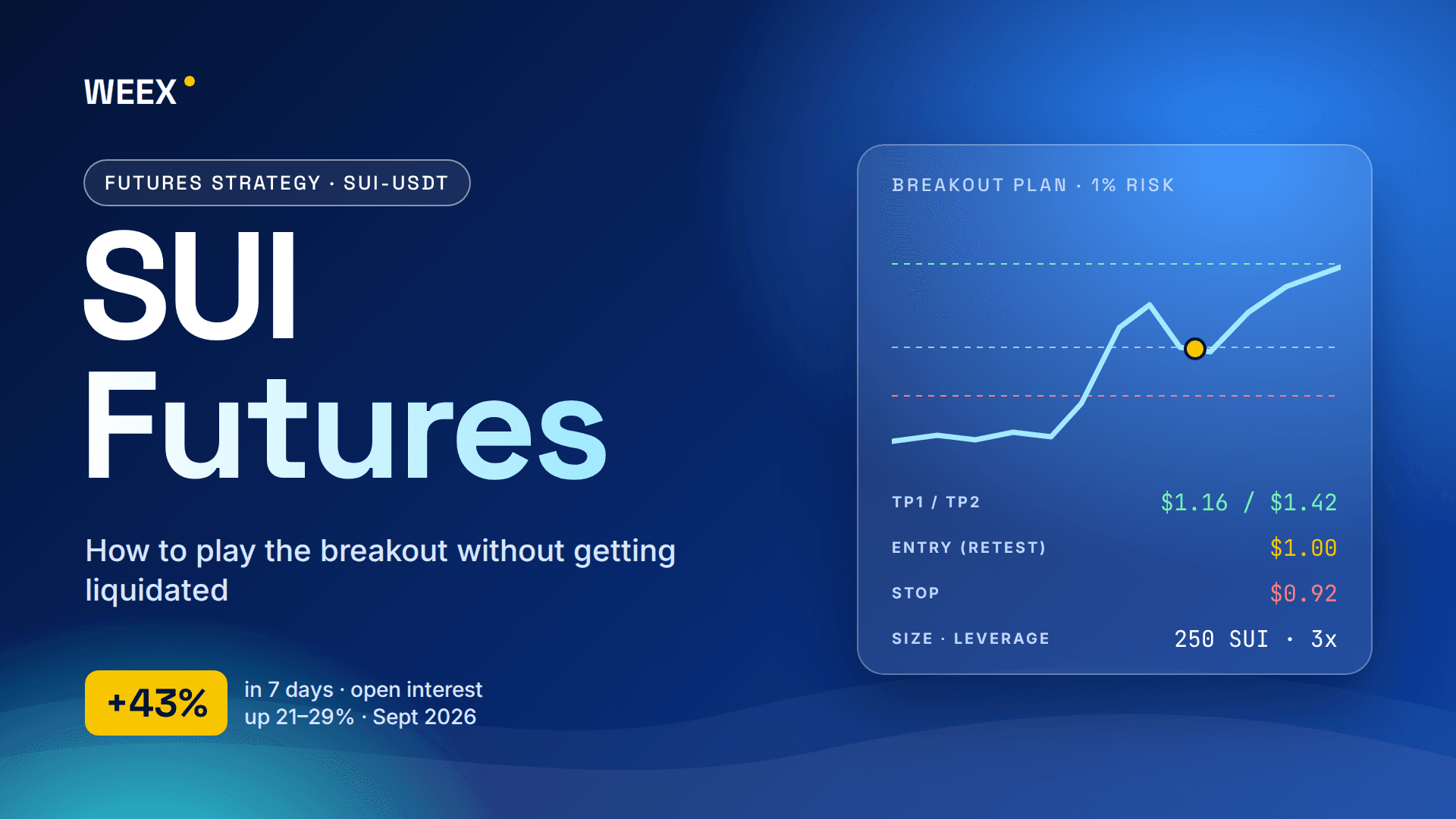
SUI Futures Trading: How to Play the Breakout Without Liquidation
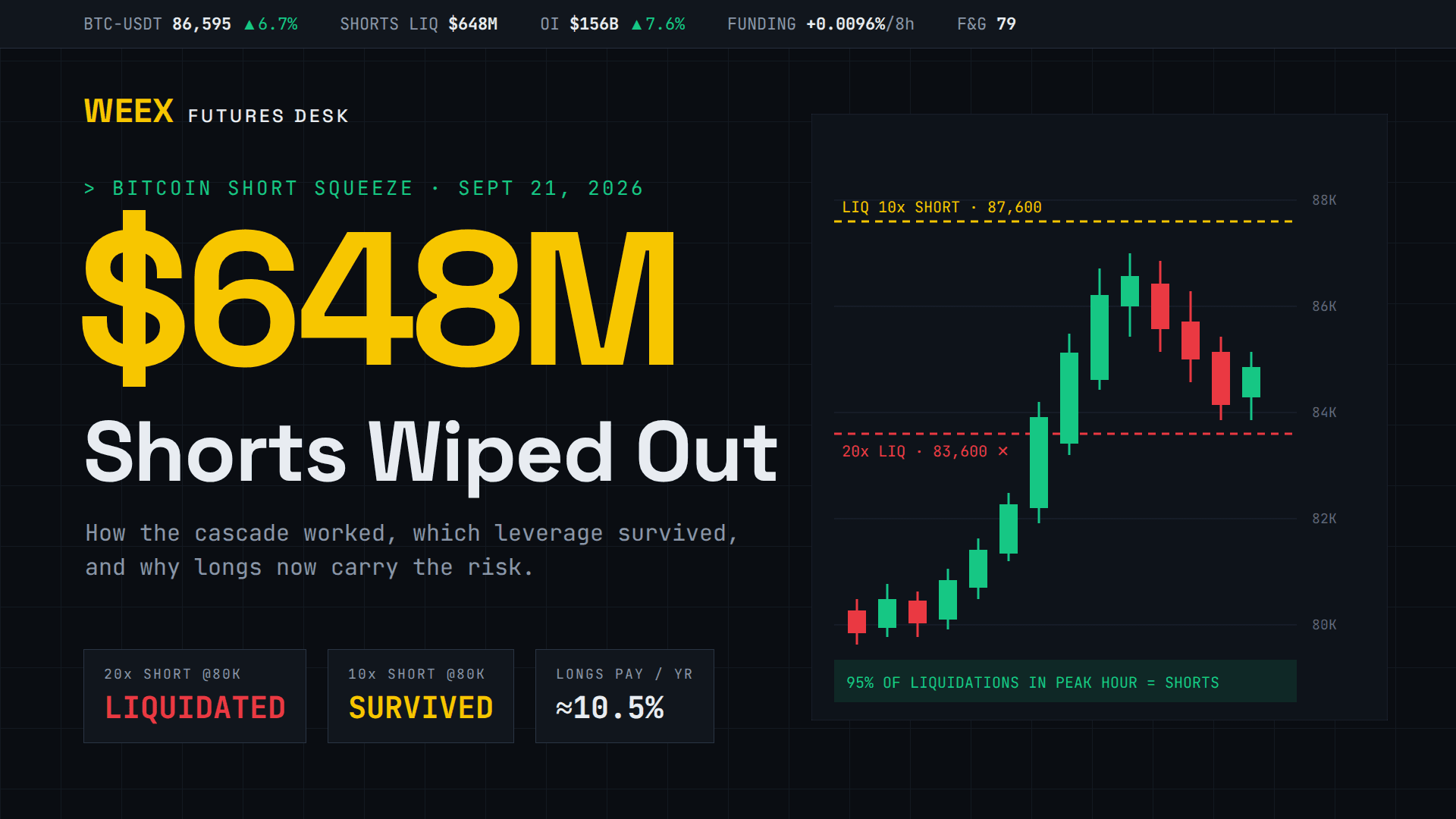
Bitcoin Short Squeeze Explained: Inside the $648M Sept 21 Wipeout
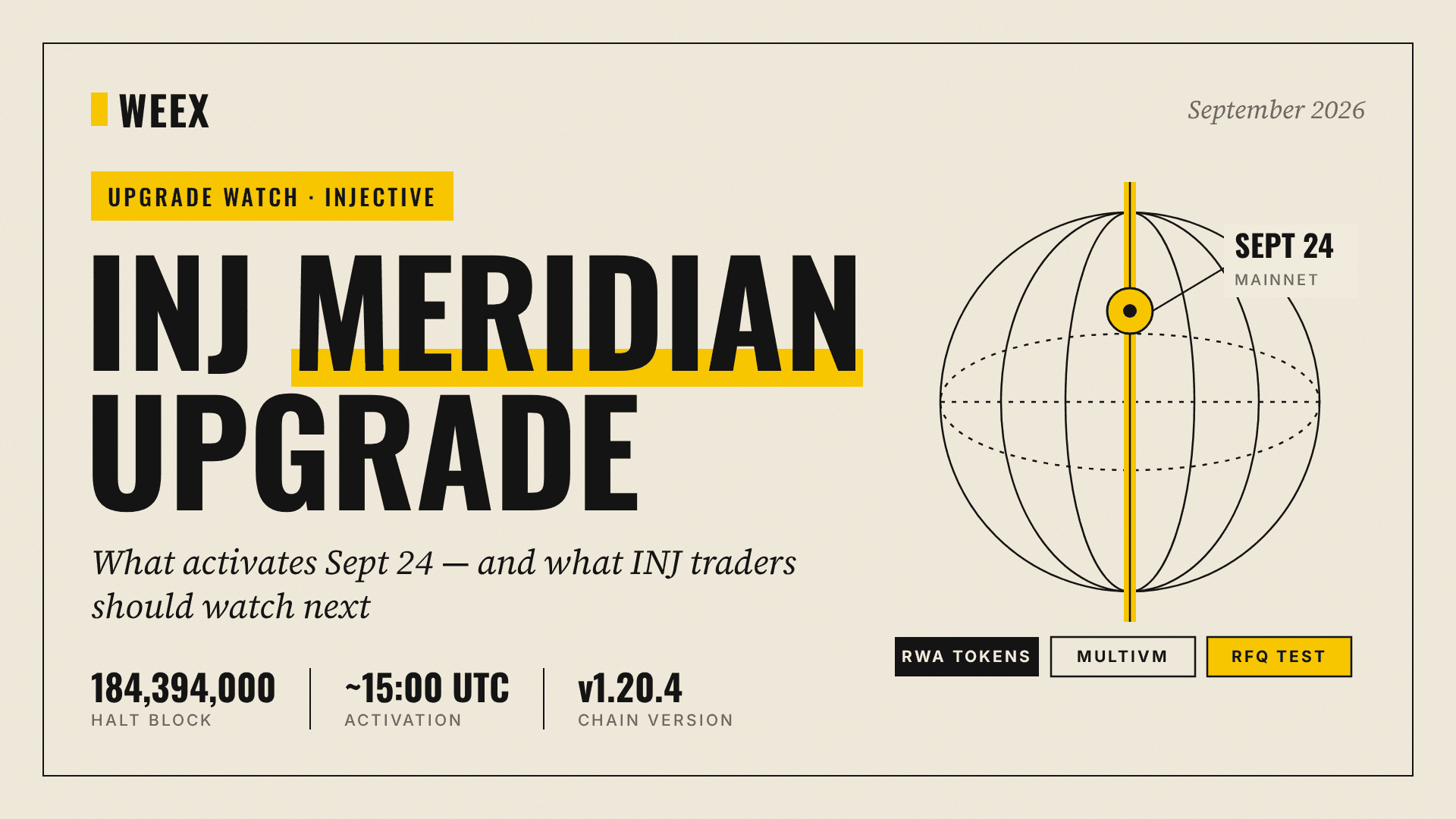
INJ Meridian Upgrade: What Activates Sept 24 and What to Watch
Why Is PEPE Up Today? The Meme Coin Liquidity Signal Explained
Crypto Leverage Trading: What 400x Leverage Actually Costs You
Funding Rate Crypto: What BTC and ETH Are Paying Right Now
Crypto Liquidation: The Exact Price That Wipes Out Your Position
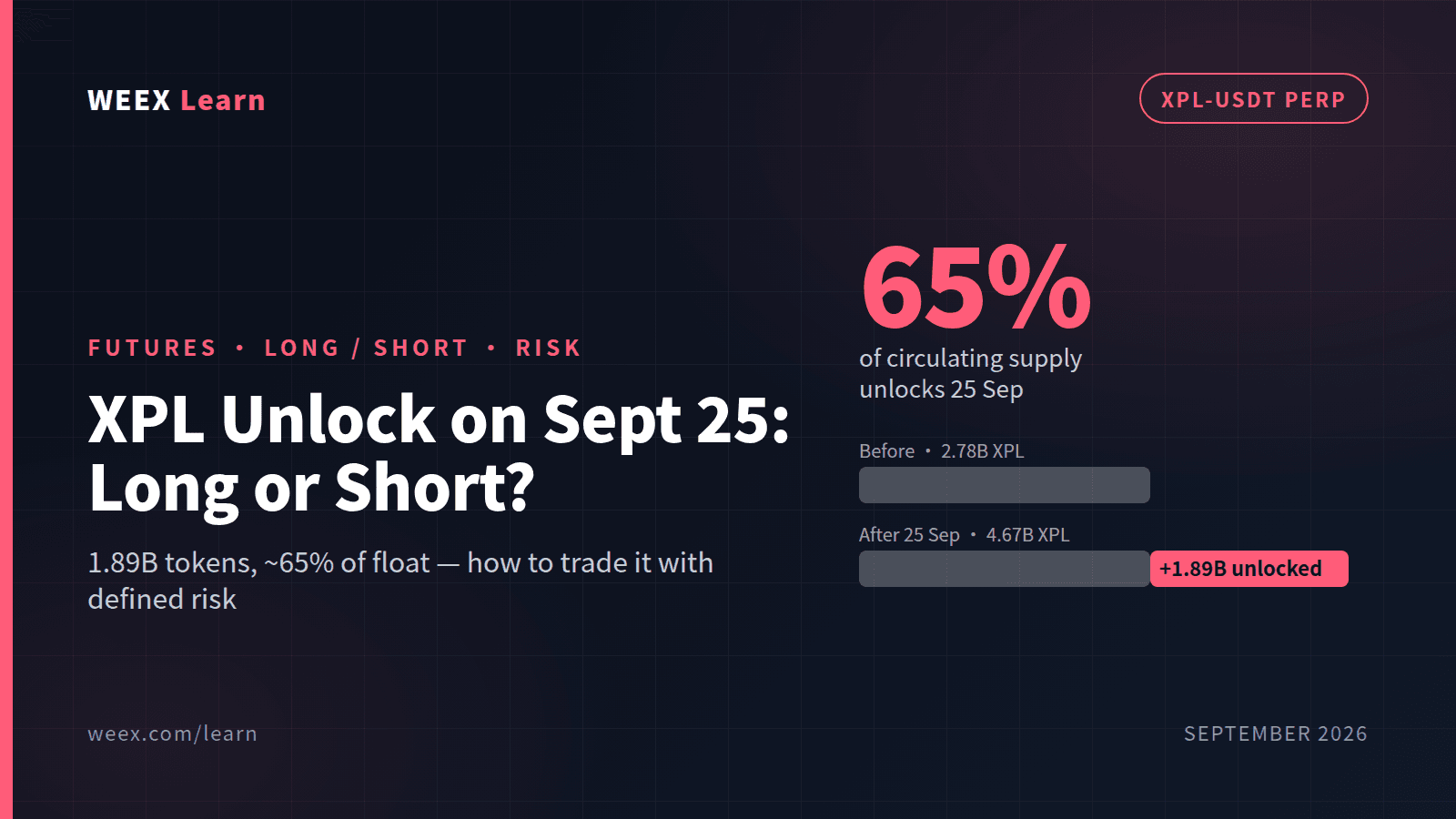
XPL Unlock on Sept 25: How to Long or Short Plasma Futures Safely
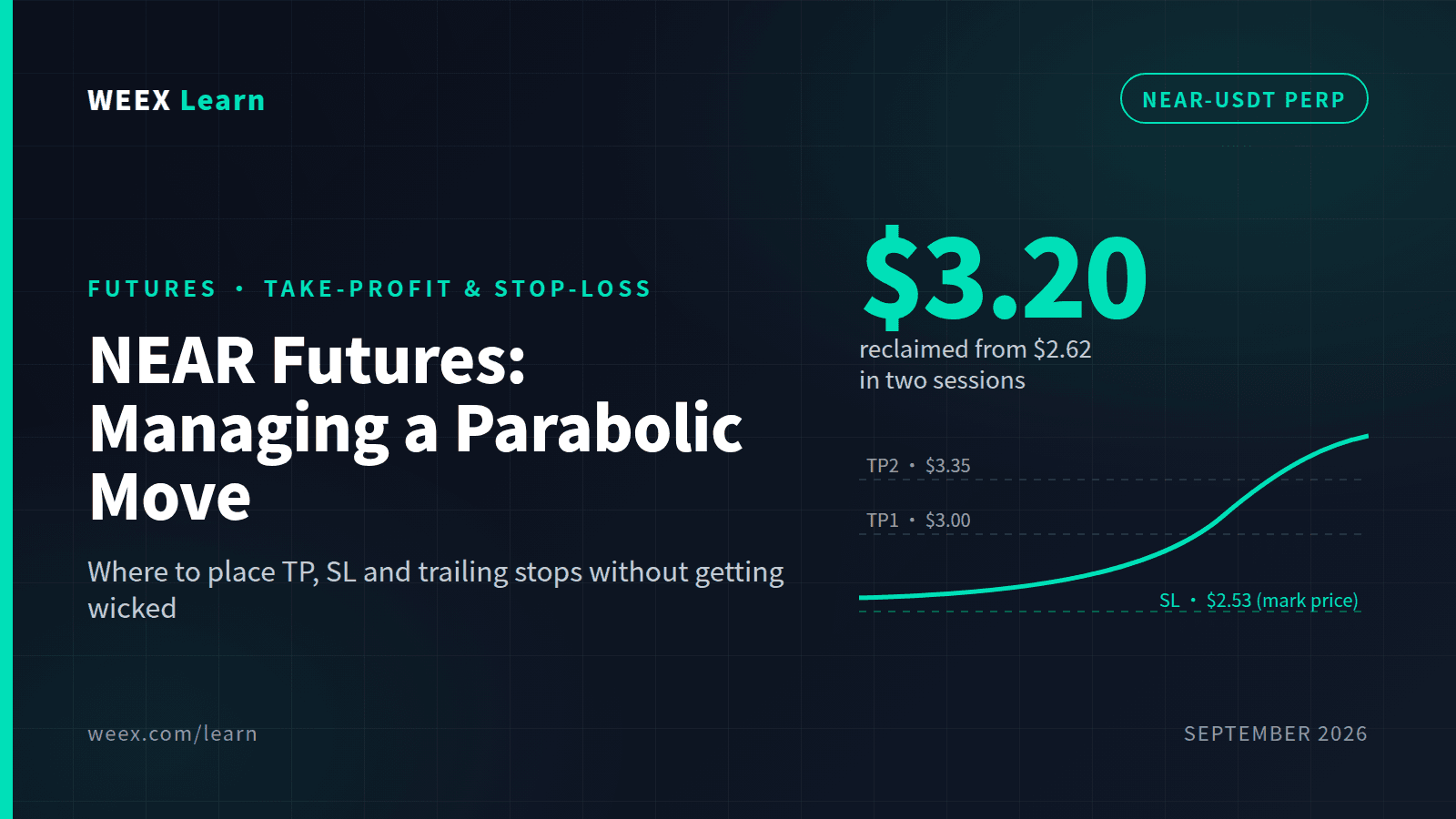
NEAR Futures Take-Profit and Stop-Loss: Managing a Parabolic Move
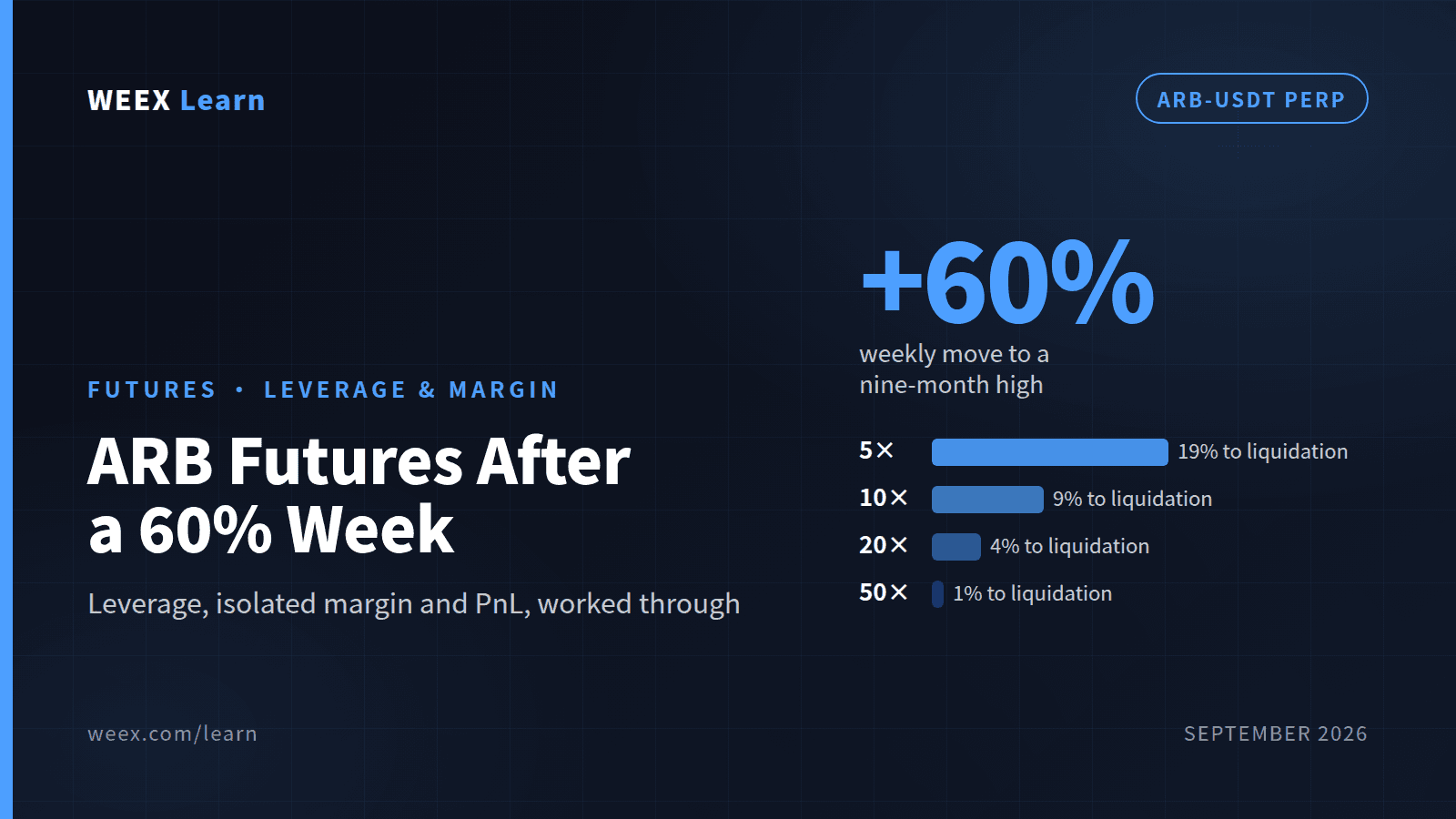
ARB Futures After a 60% Week: Leverage, Isolated Margin and PnL
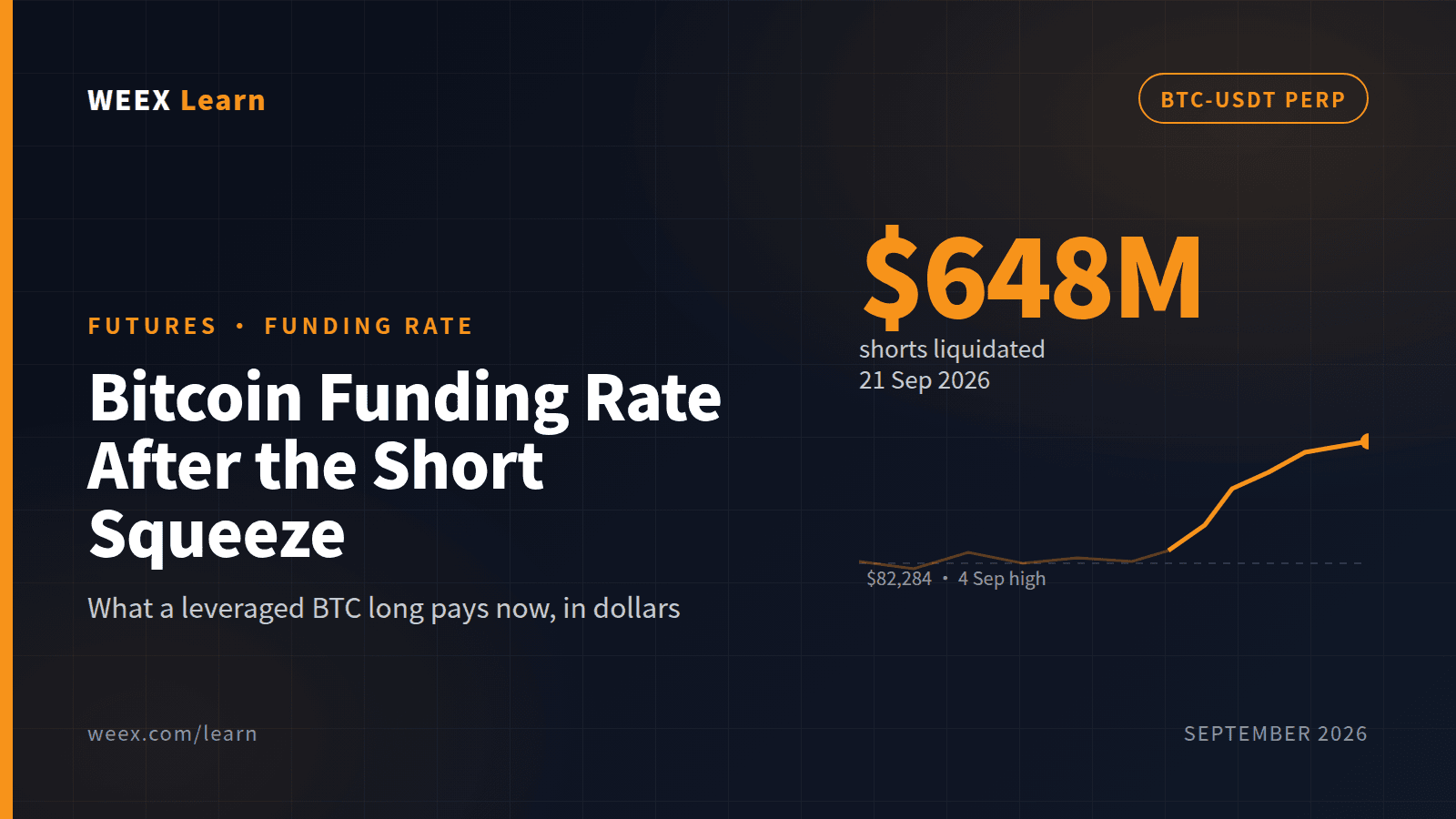
Bitcoin Funding Rate After a $648M Short Squeeze: What Longs Pay
What Is Pons Crypto (PONS), and How to Trade PONS on WEEX?
Pi Network vs Other Mobile Mining Projects: What's the Difference
Donald Trump Oil Stock Investments: 9 Names, 6 Tradable Now
Stealth XST Coin: The $1,806 Daily Volume Behind a $2.3M Cap
What Happened to Raini Studios Token? RST After the Game Shutdown
Why Is Raini Studios Token (RST) Up Today Despite Low Trading Volume?


