
WEEX Quantitative Trading: How API Strategies Run in Practice

 Prefer us on Google


WEEX quantitative trading runs through the WEEX OpenAPI. Your program pulls market data, generates signals from coded rules, sizes and checks each order against risk limits, and sends it to WEEX spot or futures markets automatically. The exchange supplies market access, order routing, and demo testing. You supply the strategy and the controls. This guide covers how a WEEX quant setup runs end to end, the API limits and costs it has to work within, and what WEEX's live AI trading hackathon showed about which strategies held up.
How a WEEX Quantitative Trading System Runs
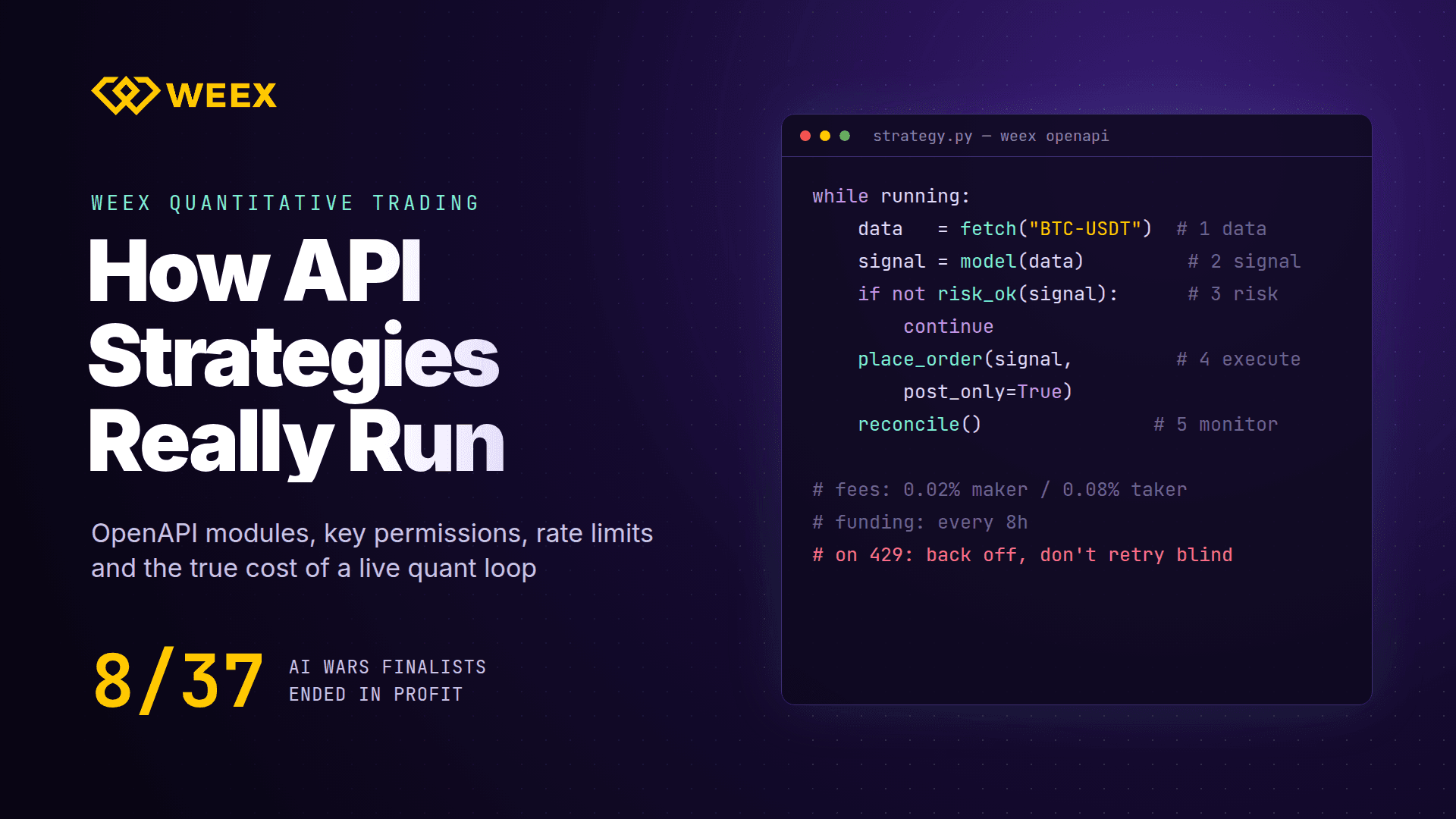
Every live quant strategy on WEEX, from a simple grid to a multi-factor model, runs the same five-stage loop:
- Data. The program reads prices, order books, trades and funding rates through the Public API or WebSocket streams, plus its own account state such as balances, positions and open orders.
- Signal. Coded rules turn that data into a decision: go long, go short, reduce, or do nothing.
- Risk check. Before any order is sent, the program checks size limits, leverage caps, daily loss limits and exposure across pairs. Most blow-ups happen because this stage is missing.
- Execution. Orders go to the Spot or Futures API. Order type decides fee treatment: post-only orders are guaranteed maker fills, while market, IOC and FOK orders always pay taker.
- Monitoring. The program confirms fills, reconciles positions against what it expected, logs everything, and stops trading if something doesn't match.
The loop repeats on a timer or on every market event. When people talk about "running" a strategy, they mean keeping this loop alive, correct and within its limits around the clock.
WEEX OpenAPI: The Five Modules Quant Traders Use
WEEX's OpenAPI, launched in beta with 240+ supported pairs per the WEEX OpenAPI beta announcement, was organized into five modules as of WEEX's July 2026 OpenAPI overview:
- Public API: real-time market data and exchange information
- Spot API: automated spot order placement and management
- Futures API: perpetual futures trading, including up to 400x leverage on BTC and ETH
- Copy Trading API: elite trader information and trading pair data
- Affiliate and Broker API: user management, commissions and OAuth authorization
Most quant strategies need only Public, Spot and Futures. The Futures API also includes a demo mode for checking order logic without live trading costs.
API Keys, Permissions and Rate Limits
Key setup. As of September 2026, each WEEX account can create up to 10 API key groups. Every key has three credentials: an APIKey, a SecretKey, and a Passphrase you choose. The Passphrase cannot be recovered if you lose it. New keys start as read-only, so trading permission has to be turned on explicitly. Keys can also be bound to specific IP addresses.
Good practice: use one key per strategy, restrict each to your server's IP, never enable withdrawal permission on a trading key, and create a separate read-only key for dashboards.
Rate limits. WEEX's July 2026 OpenAPI overview lists non-trading requests at up to 500 request-weight per 10 seconds, and trading requests at up to 30 orders per 10 seconds and 100 orders per minute. A 429 response means you have hit the limit. Two design points follow:
- A strategy that re-quotes dozens of levels on every tick will run into the order limit. Batch orders and event-driven updates are better than polling in a tight loop.
- Build exponential backoff for 429 responses, and pause trading rather than retrying blindly. A strategy that keeps firing orders into a throttled API can end up with positions it doesn't know it has.
Limits can change, so check the current API documentation before going live.
-- Price
What WEEX Quantitative Trading Really Costs
Costs decide whether a quant edge survives. As of September 2026, based on WEEX's published schedule and its breakdown of the full API trading fee stack:
- Trading fees: futures 0.02% maker / 0.08% taker, spot 0% maker / 0.10% taker, charged on notional value. Canceled and unfilled orders cost nothing.
- Discounts: VIP tiers and WXT holdings can reduce fees by up to 70%.
- Funding: perpetual funding settles every eight hours (00:00, 08:00, 16:00 UTC). A 0.01% rate paid three times a day is about 11% a year on notional value, which matters a lot for strategies that hold positions.
- Slippage: it doesn't appear on any fee schedule, but it is often the largest cost for strategies that trade with market orders.
A strategy that trades as taker on both sides pays 0.16% per round trip on futures. If its average gross edge per trade is 0.2%, fees take most of the profit. Before you optimize the signal, check whether the strategy can fill as maker instead.
Lessons From WEEX's $8B AI Trading Hackathon
WEEX tested live quant strategies publicly through AI Wars: WEEX Alpha Awakens, an AI trading hackathon run on real markets through the API rather than on backtests. According to WEEX's post-event analysis:
- Nearly 300 teams from 45 countries and regions took part, and the event generated about $8 billion in trading volume against a $1.88 million prize pool.
- In the finals, 37 traders executed 20,251 API calls over 15 days.
- Only 8 of the 37 finalists finished with a profit. The top five ROIs were 100.27%, 91.97%, 74.08%, 43.86% and 28.44%.
- The top position on the leaderboard changed hands about six times a day, and 90 ranking swaps took place over the 15 days.
The main lesson from WEEX's own review: adaptive systems did better than faster but more rigid ones. Sophisticated code did not remove market risk. Most finalists lost money in live conditions. A strategy that does well in a backtest has not yet proven anything live.
FAQ
1. Does WEEX support quantitative trading?
Yes. WEEX supports quantitative trading through its OpenAPI, which provides market data, spot and futures order execution, account data and copy trading data over REST and WebSocket, along with a demo mode for testing futures strategies.
2. What are the WEEX API rate limits?
WEEX's July 2026 OpenAPI overview lists up to 500 request-weight per 10 seconds for non-trading calls, and up to 30 orders per 10 seconds and 100 orders per minute for trading. Check the current API documentation before deploying, because limits can change.
3. How do I keep my WEEX API key secure?
Give trading keys only the permissions they need, keep withdrawal disabled, bind each key to your server's IP address, use a separate key for each strategy, and store the SecretKey and Passphrase outside your code repository.
4. Can I test a quant strategy on WEEX without risking funds?
Yes. The WEEX Futures API offers a demo mode, and WEEX demo futures give new users 50,000 in demo funds for BTC and ETH futures, so you can validate order logic and risk controls before live trading.
Getting Started With WEEX Quantitative Trading
WEEX quantitative trading comes down to the loop: data, signal, risk check, execution and monitoring, running within the API's permissions, rate limits and fee structure. Start with a read-only key, build the risk and monitoring stages before the signal, test in demo mode, and go live with small size. The hackathon result, where 8 of 37 finalists ended profitable, is a reminder that edge has to be shown in live trading, not assumed.
Risk Warning
Quantitative and API trading carry significant risk. Crypto prices are volatile, and automated strategies can lose part or all of their capital quickly, especially with leverage. Coding errors, stale data, rate-limit throttling, connectivity failures and exchange-side changes can cause unintended orders or unmanaged positions. Compromised API keys can lead to losses. Backtested or competition results do not guarantee future performance. Run strict risk limits and kill switches, and only deploy capital you can afford to lose.
This content is provided for general informational purposes only and doesn't constitute financial, investment, legal, or tax advice. Any events, rewards, online promotions, or related information mentioned herein should not be considered a recommendation, solicitation, or invitation to purchase, sell, trade, or otherwise deal in any crypto assets. Crypto assets are highly volatile and may result in loss. The availability of WEEX services, products, and related events may vary by region. You are responsible for ensuring that your participation is in accordance with applicable local laws and regulations.
You may also like
WEEX Strategy Trading: 4 Ways to Automate Your Crypto Trades
WEEX Grid Trading: When a Grid Strategy Works and When It Fails
WEEX Close Position Guide: Flash Close, Limit Close and TP/SL
WEEX Futures Trading: What 400x Leverage Really Costs You

Best Crypto Exchange for Beginners 2026: What Actually Matters When Choosing One
Bitcoin Short Squeeze Explained: Inside the $648M Sept 21 Wipeout
Best Crypto Cold Wallet 2026: Top Picks Matched to How You Hold
INJ Meridian Upgrade: What Activates Sept 24 and What to Watch
Phantom Wallet vs MetaMask: What's the Difference

How to Connect Phantom Wallet to a Solana DApp
How to Install and Set Up Phantom Wallet

What Is Phantom Wallet? A Complete Guide to the Solana Wallet
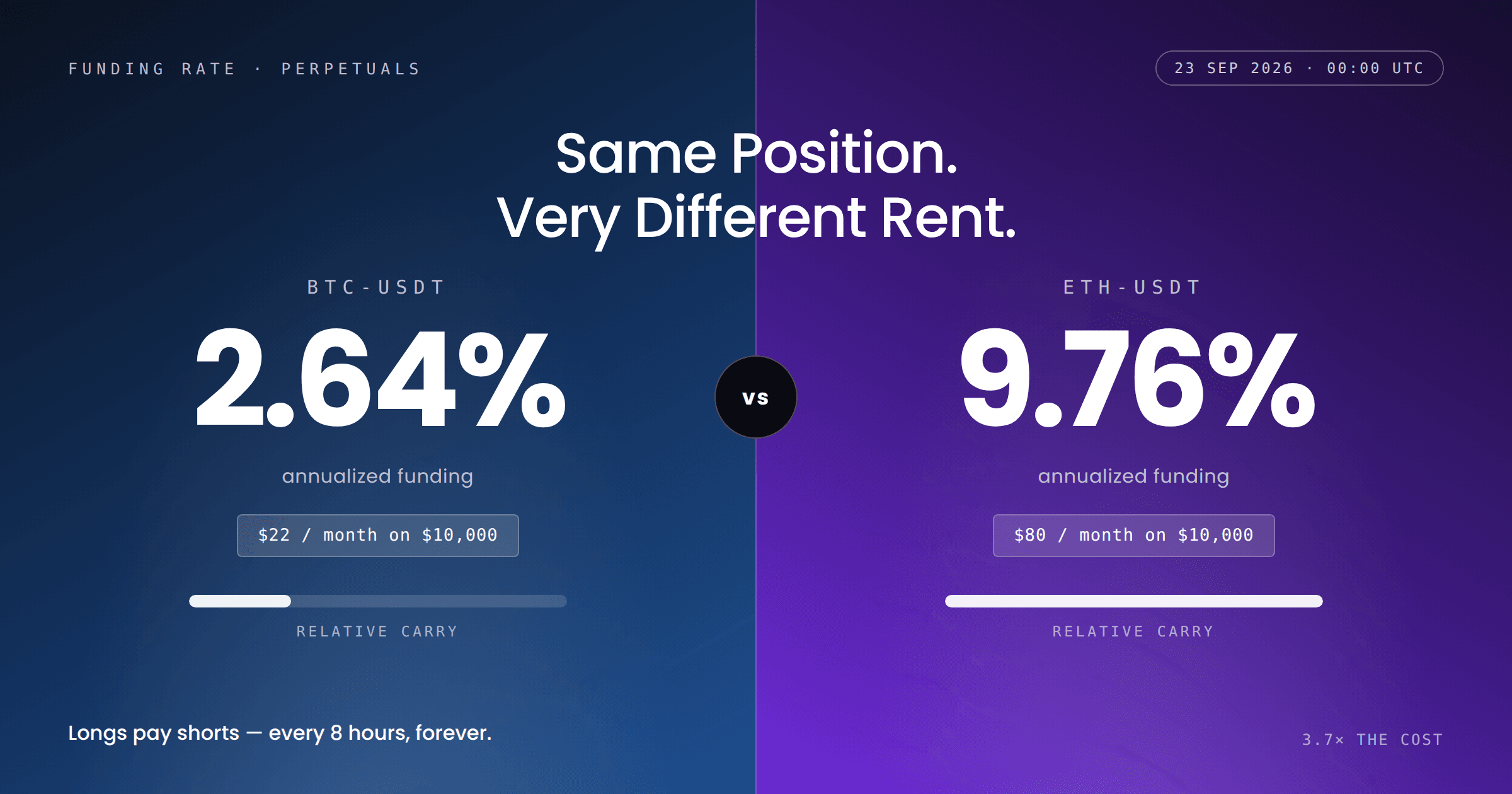
Funding Rate Crypto: What BTC and ETH Are Paying Right Now
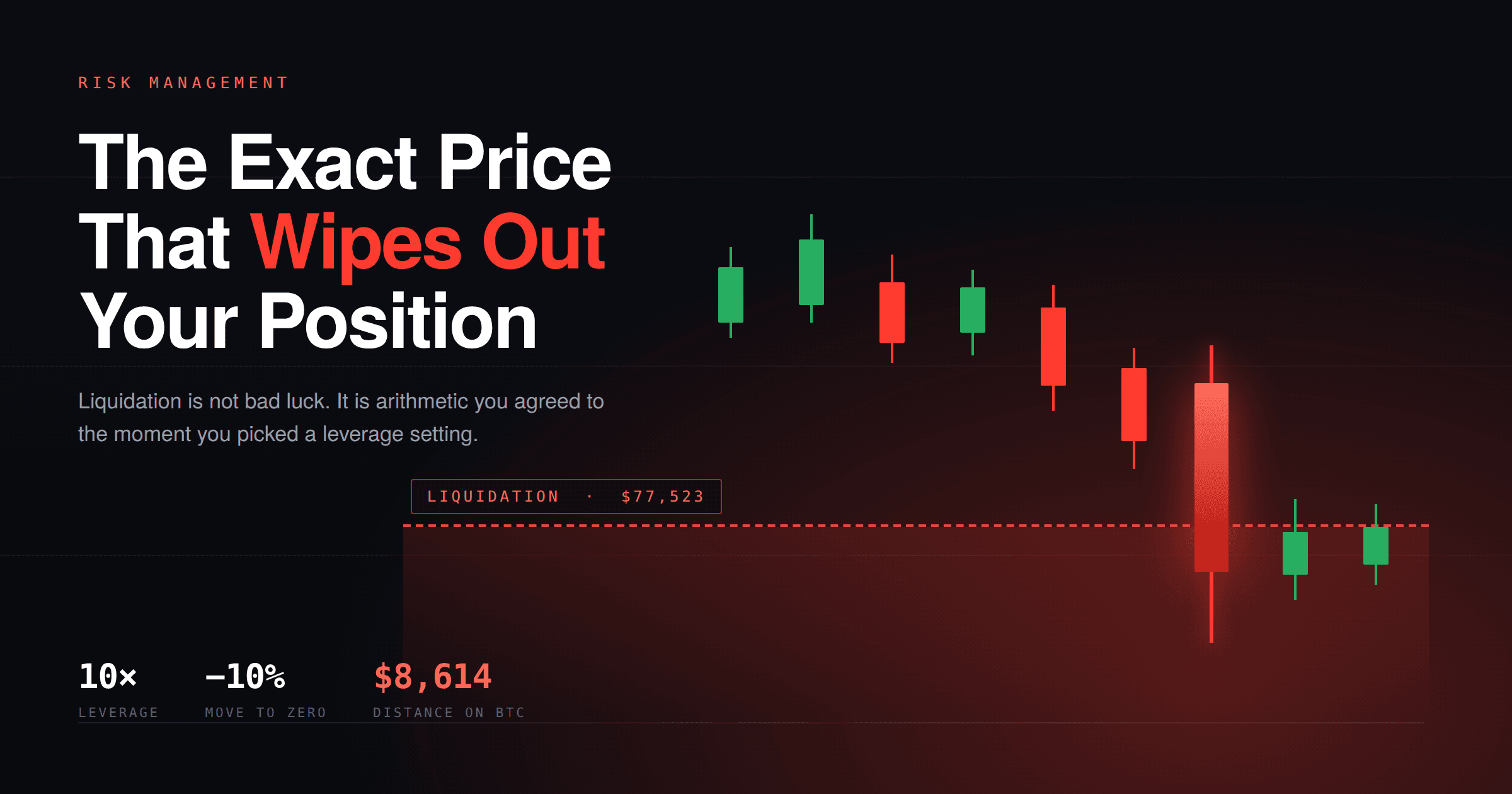
Crypto Liquidation: The Exact Price That Wipes Out Your Position
INTC Stock Surged 14%: Intel Only Has Enough Chips for Half Its Clients
Hyperliquid vs Centralized Exchanges: What's the Difference?
FreeBitco.in Has Shut Down: What Users Should Know
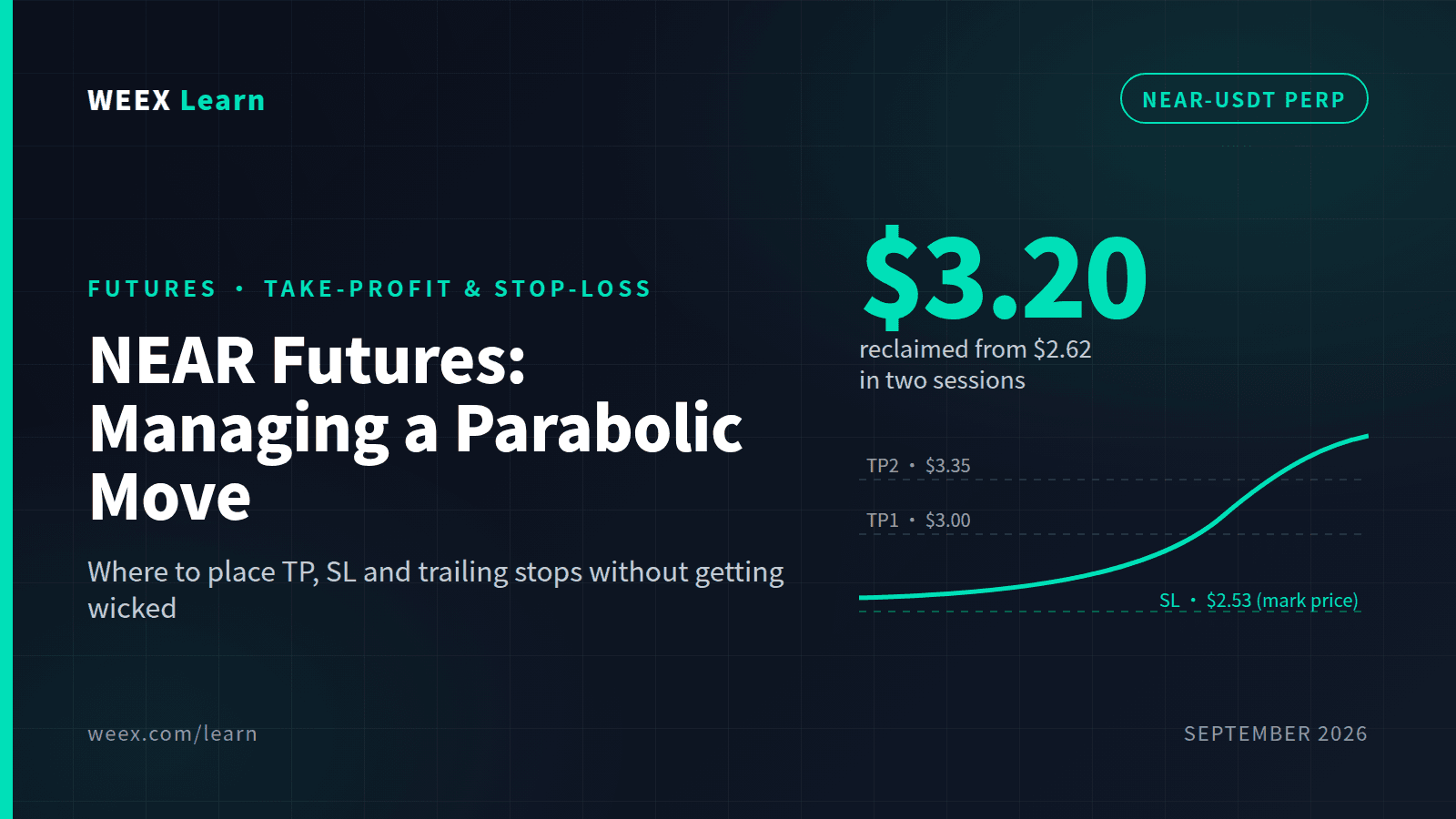
NEAR Futures Take-Profit and Stop-Loss: Managing a Parabolic Move
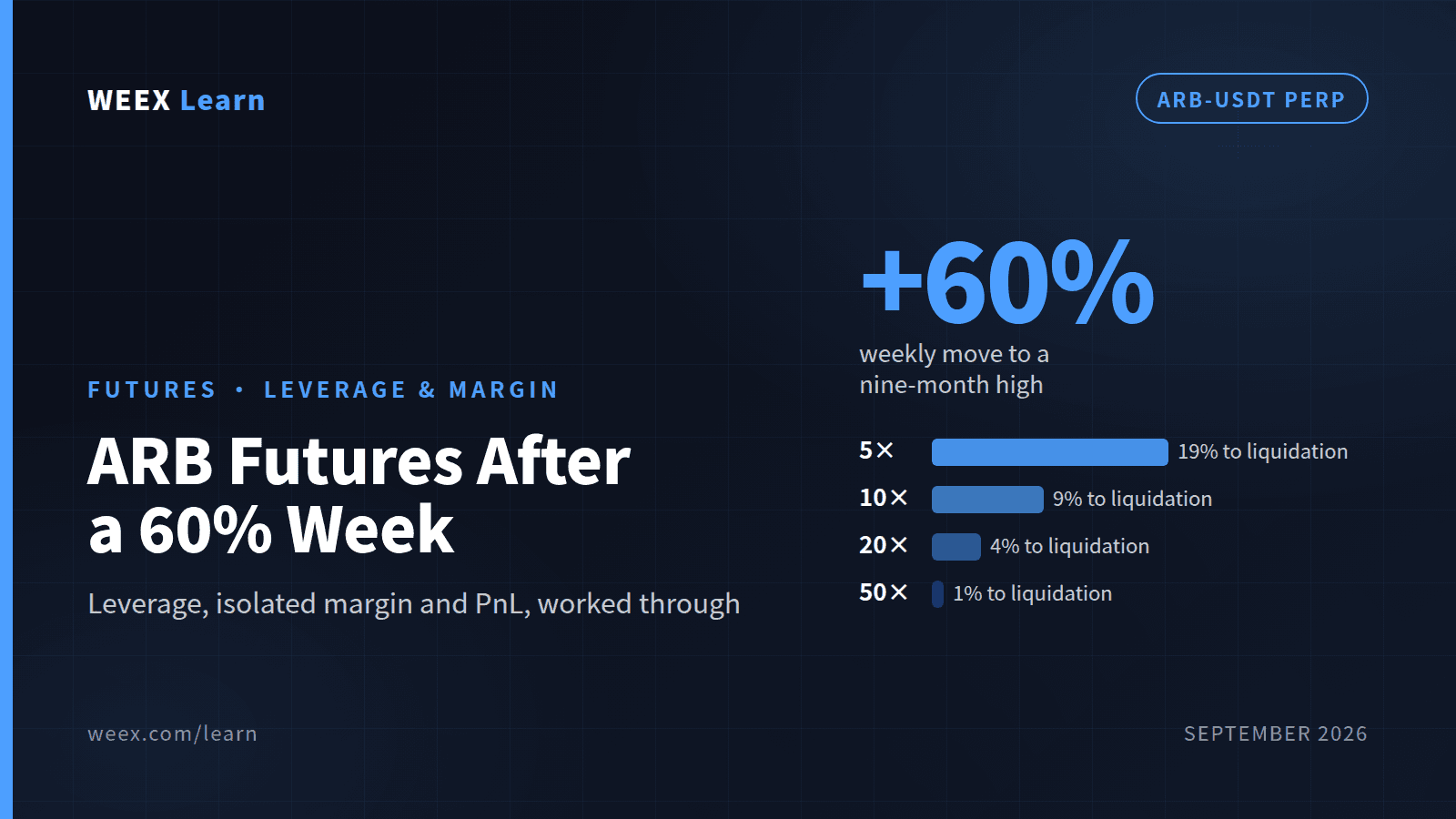
ARB Futures After a 60% Week: Leverage, Isolated Margin and PnL
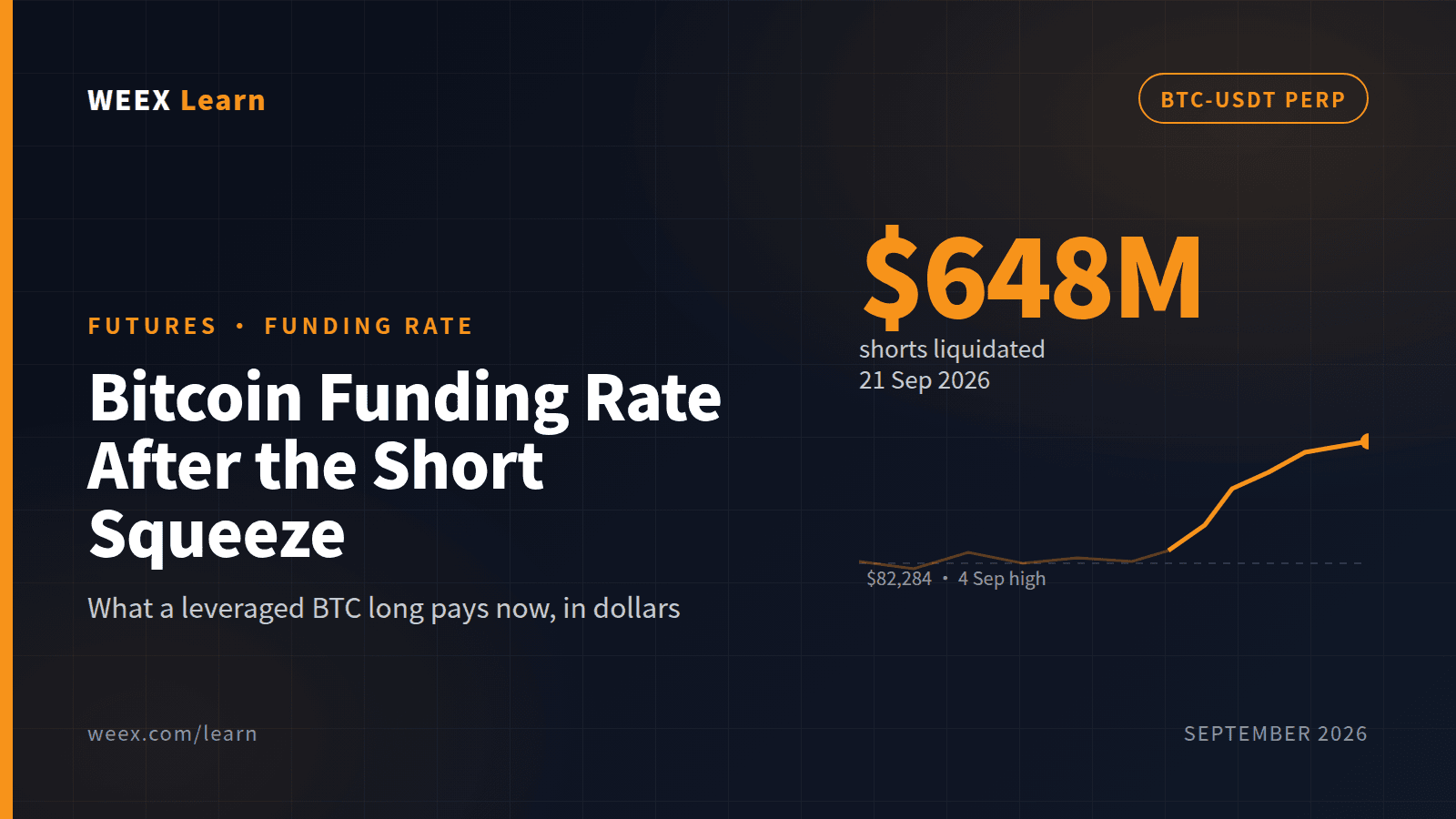
Bitcoin Funding Rate After a $648M Short Squeeze: What Longs Pay
What Is Blockchain Technology? Follow One Transaction to See

Pi Network vs Other Mobile Mining Projects: What's the Difference

Is Pi Network Legit, or Is It Considered a Scam?
What a Blockchain Explorer Can and Cannot Tell You
Iberdrola Stock: What to Watch Ahead of the October 21 Earnings Report
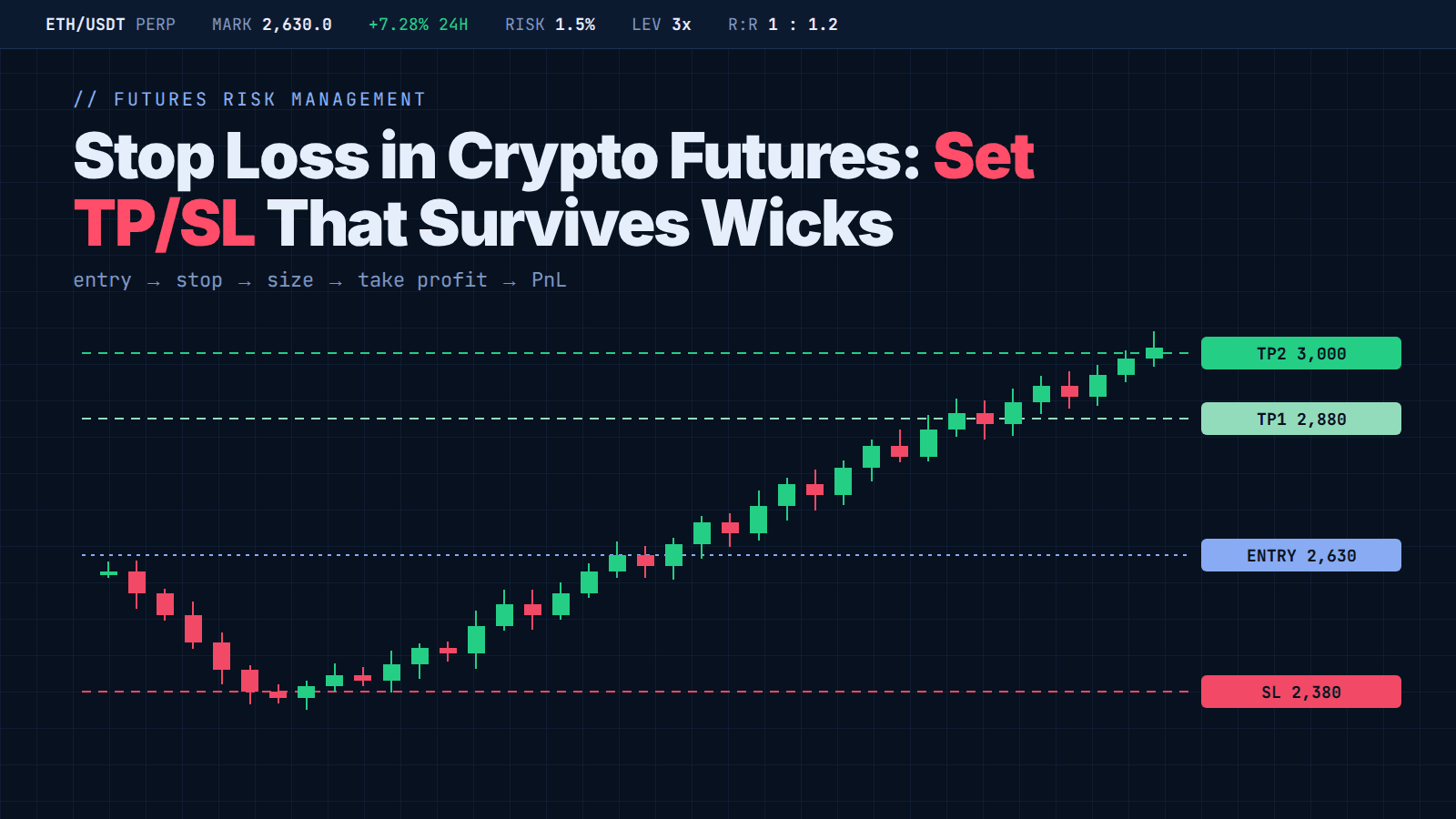
Stop Loss in Crypto Futures: How to Set TP/SL That Survives Wicks
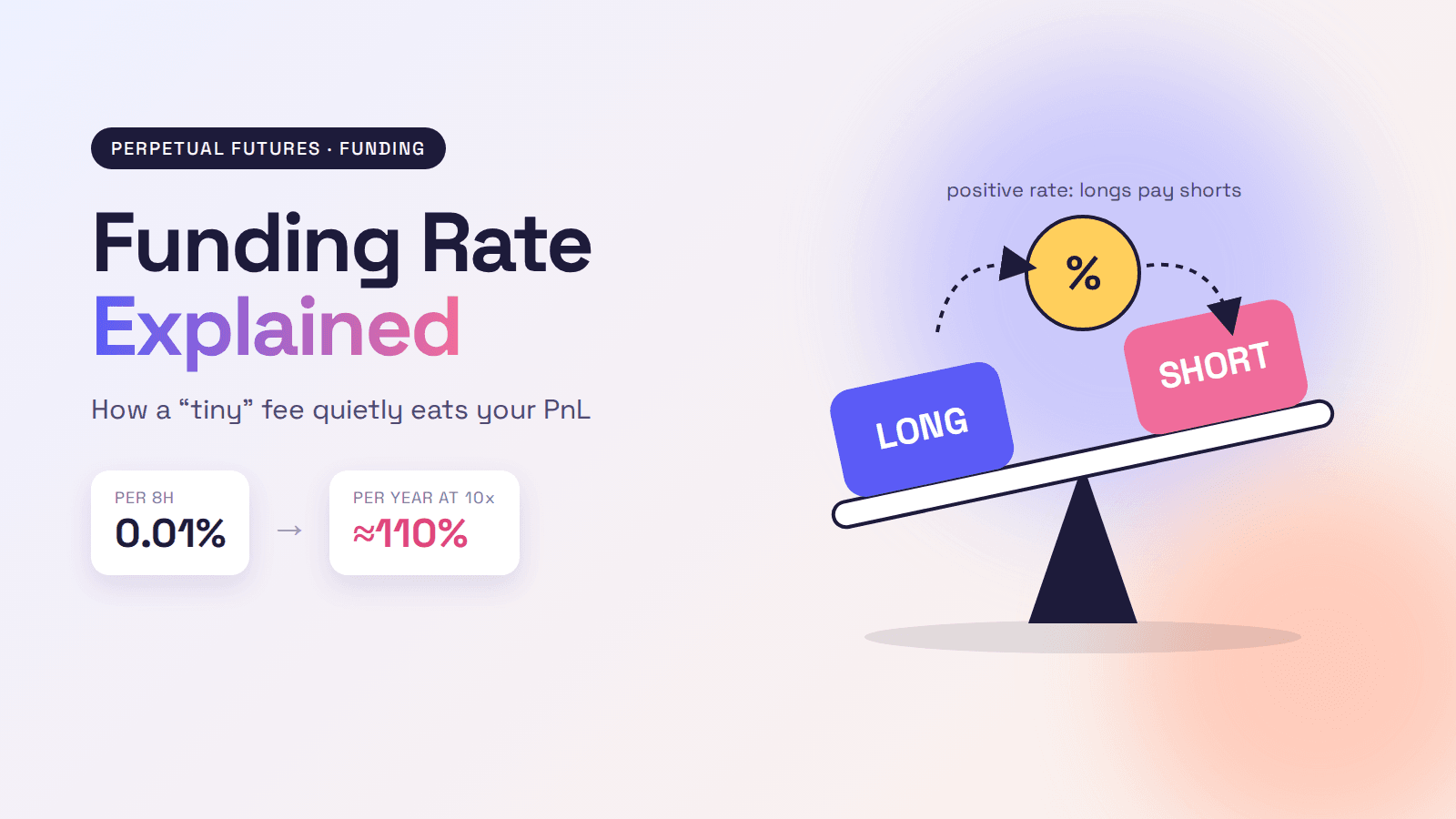
Funding Rate Explained: How Perpetual Futures Fees Hit Your PnL
Crypto Liquidation Explained: Why $300M in Longs Got Wiped Out
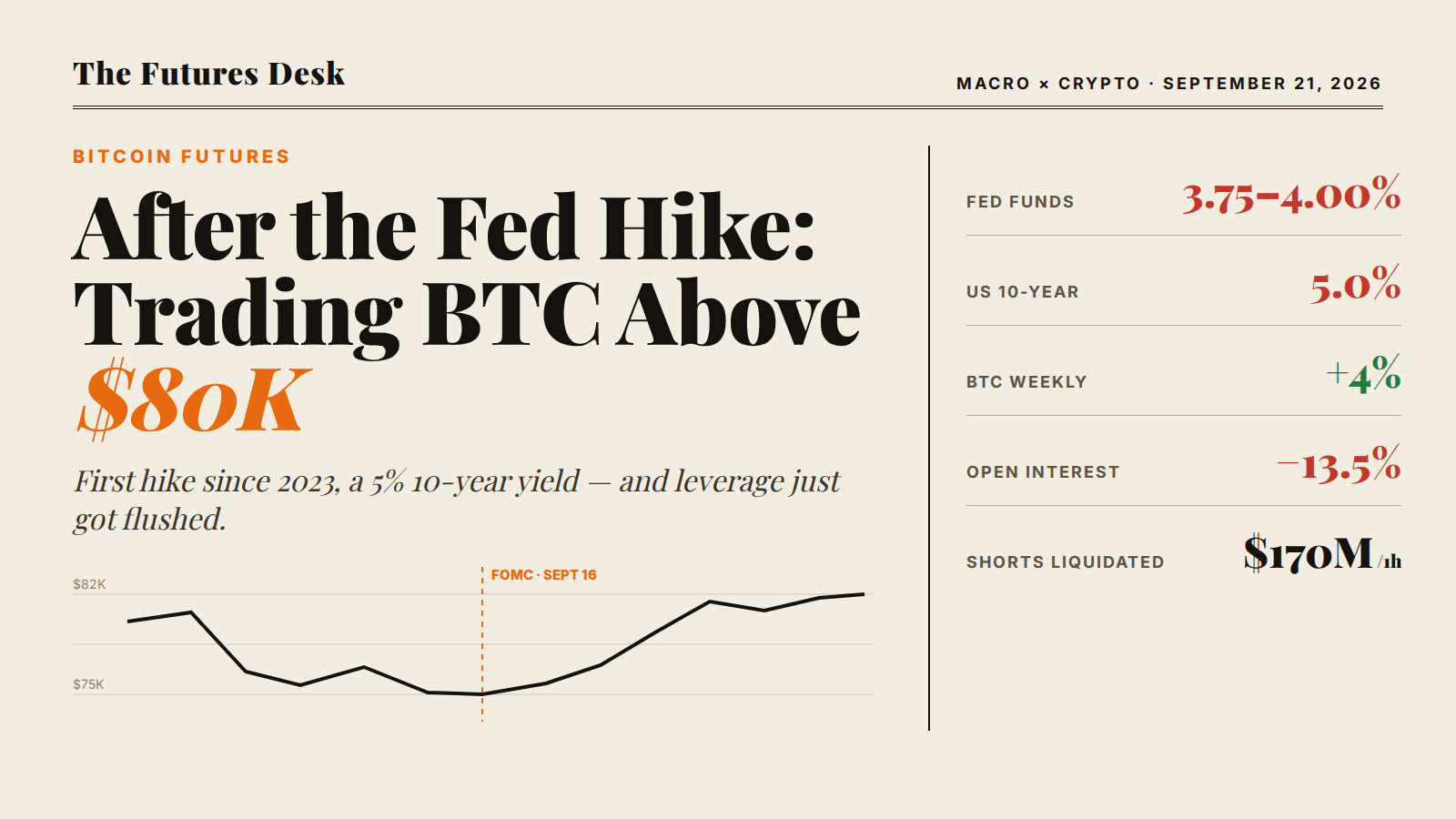
Bitcoin Futures After the Fed Hike: How to Trade BTC Above $80K
NEAR Price Jumps 80% in a Week: What Confidential Intents Changed
WEEX Strategy Trading: 4 Ways to Automate Your Crypto Trades
WEEX Grid Trading: When a Grid Strategy Works and When It Fails
WEEX Close Position Guide: Flash Close, Limit Close and TP/SL
WEEX Futures Trading: What 400x Leverage Really Costs You
Best Crypto Exchange for Beginners 2026: What Actually Matters When Choosing One
Bitcoin Short Squeeze Explained: Inside the $648M Sept 21 Wipeout


