
BitGo Reveals Strategic APT Holdings: What Does It Mean for Aptos Institutional Adoption?

 Prefer us on Google

Introduction
BitGo APT holdings have become a new focus for the Aptos ecosystem after digital asset infrastructure company BitGo Holdings (NYSE: BTGO) announced on November 10, 2026, that it had taken a strategic position in APT, the native cryptocurrency of the Aptos blockchain. The announcement builds on BitGo's existing institutional services, including APT custody, staking, and wallet connectivity to Decibel, a decentralized trading platform built on Aptos. However, BitGo did not disclose the size, acquisition price, or timing of its APT position.
The announcement about BitGo APT holdings comes at a time when institutional participation in blockchain networks increasingly involves more than simply holding tokens. Custody infrastructure, staking services, and access to onchain markets are becoming important components of institutional digital asset operations. In Aptos' case, BitGo's involvement connects these services within an existing institutional framework, potentially reducing operational barriers for eligible market participants.
Despite the institutional development, BitGo APT holdings have not translated into an immediate price rally. WEEX market data recorded on November 11 showed APT trading around $0.5653 in the spot market, down 3.60% over 24 hours, while APT perpetual futures were also lower. The divergence between the announcement and short-term price performance raises an important question: what does BitGo's strategic APT position actually mean for institutional adoption, token demand, and Aptos' longer-term development?
What Did BitGo Announce About Its APT Holdings?
BitGo confirmed that it had taken a strategic position in APT as part of its expanding relationship with the Aptos ecosystem. According to the company's official Aptos announcement, the move builds on existing infrastructure that already enables eligible institutional clients to custody and stake APT and access selected onchain markets.
The announcement is significant because it adds direct token exposure to a relationship previously centered on infrastructure and client services. However, the company did not reveal how many APT tokens it holds, the dollar value of its position, or whether the tokens were acquired through open-market purchases or another arrangement.
Key Facts About BitGo's Aptos Announcement
| Category | Confirmed Information | Source |
|---|---|---|
| Corporate announcement | November 10, 2026 | BitGo Investor Relations |
| Company | BitGo Holdings, Inc. (NYSE: BTGO) | BitGo |
| Native cryptocurrency | Aptos (APT) | BitGo |
| Strategic position | BitGo confirmed it holds a strategic position in APT | BitGo |
| Holding size | Not disclosed | BitGo announcement |
| Acquisition cost and timing | Not disclosed | BitGo announcement |
| Institutional custody | APT and assets using the Aptos Digital Asset Standard | BitGo |
| Staking | Available to eligible institutional clients | BitGo |
| Onchain trading access | Optional self-custody wallet connectivity to Decibel | BitGo |
Sources: BitGo Official Announcement and BitGo Investor Relations, November 2026.

The disclosed facts support a clear conclusion: BitGo has expanded its relationship with Aptos through a direct APT position while continuing to provide institutional infrastructure. What remains unknown is the financial scale of that position and its actual contribution to token market demand.
This distinction matters because a corporate holding announcement should not automatically be interpreted as evidence of a large new institutional purchase or an immediate supply shortage.
[Insert Image 1: BitGo's Aptos institutional infrastructure — strategic APT holdings, custody, staking, and Decibel connectivity]
Why Do BitGo's Strategic APT Holdings Matter for Institutional Adoption?
From Institutional Custody to Direct Token Exposure
Institutional adoption of cryptocurrencies often begins with the infrastructure required to hold and manage assets securely. Asset managers, trading firms, and other professional participants generally require custody arrangements, transaction approval procedures, and operational controls before integrating blockchain assets into their workflows.
BitGo already supports custody for APT and assets built using the Aptos Digital Asset Standard. Its strategic token position adds another layer to the relationship, but the two activities should not be confused.
Custody means providing infrastructure for clients to safeguard digital assets, while a strategic holding indicates that BitGo itself has taken a position in the token. Assets held on behalf of clients are not automatically part of the company's own holdings.
For Aptos, BitGo's continued involvement may strengthen the network's appeal to institutions seeking established infrastructure providers. Nevertheless, the announcement alone does not establish how much additional institutional capital will enter the ecosystem.
APT Staking Expands Institutional Participation
Staking represents another part of BitGo's support for Aptos. APT is used within the network's proof-of-stake system, where validators and delegators participate in network security and receive rewards according to applicable protocol rules.
BitGo enables eligible clients to stake APT through its services. This gives qualifying institutions a way to participate in the network without necessarily developing their own staking infrastructure.
Institutional staking could contribute to greater network participation if more clients choose to use these services. However, the availability of staking infrastructure should not be interpreted as proof that institutional staking volumes have increased following the latest announcement.
Staking also involves risks, including token price volatility, changes in reward rates, and applicable operational or network restrictions. Readers seeking additional background can explore WEEX's Complete Aptos (APT) Blockchain Guide.
Decibel Connectivity Connects Institutions to Onchain Markets
BitGo's relationship with Aptos also includes access to Decibel, a decentralized exchange built on the Aptos network.
In September 2026, BitGo announced wallet connectivity allowing eligible institutional clients to interact with Decibel through existing self-custody wallet workflows. The integration was designed to preserve familiar transaction controls, including approval procedures and wallet policy requirements.
According to BitGo's September 3 announcement, the connectivity initially supported WalletConnect workflows involving Ethereum and Solana, with additional network support planned over time.
The important development is not simply that another trading venue exists on Aptos. Rather, institutions can potentially access onchain markets using operational processes already integrated into their custody and wallet infrastructure.
The connection remains optional. BitGo does not operate Decibel or automatically custody assets held through that venue, and the availability of connectivity does not establish how much trading activity its clients generate.

-- Price
Does BitGo's Strategic Position Create New Demand for APT?
A strategic position in APT indicates direct exposure to the token, but its immediate effect on market demand cannot be quantified without additional disclosure.
If a company acquires tokens through an open-market purchase, that transaction can contribute to buying demand at the time of acquisition. If the position was accumulated earlier or obtained through a different arrangement, however, the announcement may reveal existing exposure rather than represent entirely new demand on the announcement date.
BitGo did not disclose the acquisition method, amount, or timing. Consequently, it would be inaccurate to estimate a new institutional purchase value or attribute a specific volume of APT buying to the announcement.
Over a longer period, institutional infrastructure could influence APT demand through several channels. More institutions operating on Aptos might require APT for network fees, staking participation, or other activities involving the native token. Still, some blockchain-based financial services can operate with limited direct exposure to the native asset, and increased application usage does not necessarily produce proportional token demand.
The relationship between institutional adoption and cryptocurrency prices therefore depends on actual asset flows, network activity, token economics, and broader market conditions.
APT Price Falls Despite BitGo Announcement: What Does WEEX Market Data Show?
The market's initial reaction illustrates the difference between a positive infrastructure development and short-term cryptocurrency price performance.
According to the WEEX market snapshot provided on November 11, APT experienced negative 24-hour price changes in both the spot and perpetual futures markets.
APT Market Snapshot — November 11, 2026
| Market | Recorded Price | 24-Hour Change | Observation Time |
|---|---|---|---|
| APT/USDT Spot | 0.5653 USDT | -3.60% | 10:15 AM Beijing Time |
| APT/USDT Perpetual Futures | 0.5641 USDT | -3.73% | 10:16 AM Beijing Time |
Source: WEEX internal market snapshot, November 11, 2026, Beijing Time (UTC+8). These are time-specific observations, not live quotes. Prices and percentage changes may differ when the article is published.
At the recorded times, spot APT traded at approximately $0.5653, while the APT perpetual futures price was slightly lower. The two quotations were recorded one minute apart and should not be treated as a synchronized futures basis measurement.
The negative 24-hour performance suggests that the strategic holding announcement was not sufficient, by itself, to support an immediate sustained rally. However, the data does not establish that the announcement caused the decline.
Several factors may help explain why APT remained under pressure.
Market Expectations and Limited Financial Disclosure
Institutional announcements can attract market attention without necessarily changing near-term supply and demand. Because BitGo did not reveal the size of its APT position, traders have limited information with which to estimate the financial significance of the disclosure.
The announcement also expands an existing relationship rather than introducing an entirely new institutional participant to Aptos. Some market participants may therefore interpret the development as a continuation of previously established infrastructure cooperation.
APT Supply and Token Unlock Expectations
Token supply conditions are another factor worth monitoring. The WEEX Token Unlock Calendar, updated November 4, lists an expected APT community vesting event for November 11, 2026.
This scheduled event is relevant to short-term supply analysis, but the calendar does not establish the amount actually released or the quantity subsequently sold into the market. A scheduled unlock may affect expectations without necessarily producing immediate selling pressure.
APT's broader tokenomics have also been subject to proposed and reported changes involving staking rewards, issuance, and the supply framework. WEEX previously examined these developments in its Aptos Tokenomics Analysis, noting the importance of distinguishing announced proposals from measures confirmed as implemented.
These supply considerations should be analyzed alongside market liquidity and verified network data rather than treated as a definitive explanation for the November 11 price movement.
Broader Market Conditions and Derivatives Activity
APT also trades within a broader cryptocurrency market influenced by Bitcoin price movements, macroeconomic expectations, liquidity conditions, and derivatives positioning.
Perpetual futures activity can affect short-term market behavior as leveraged participants adjust positions. Changes in funding rates, open interest, and liquidation activity may offer additional context, but a single price snapshot cannot reveal whether leveraged selling or liquidation pressure caused a specific decline.
For that reason, BitGo's announcement should be considered one development among several potentially relevant influences on APT's market performance.
[Insert Image 2: APT spot and futures price comparison with institutional adoption and token supply factors]
What Should Investors Watch After BitGo's Aptos Announcement?
The next stage of Aptos' institutional adoption story will depend more on measurable activity than on the strategic holding announcement alone.
One important indicator is whether BitGo provides further information about its APT position or expands the services available to institutional clients. Additional disclosures could help clarify the scale of its commitment, although no such disclosure is guaranteed.
Another consideration is institutional utilization of custody, staking, and onchain market infrastructure. Growth in verifiable network participation, activity on Aptos-based applications, and available institutional service metrics would provide stronger evidence of adoption than partnership announcements alone.
APT supply developments also deserve attention. Scheduled vesting events, staking incentives, and any implemented tokenomics changes can affect the balance between new token supply and market demand. Meanwhile, trading volume, liquidity conditions, and derivatives data may help explain short-term price behavior.
Ultimately, institutional adoption is a process rather than a single transaction. BitGo's strategic holding strengthens its existing connection with Aptos, but the financial and network effects of that commitment will need to be assessed over time.
How to Buy and Trade Aptos (APT) on WEEX
Users who want to follow APT's price movements can access both spot and perpetual futures markets on WEEX. These products serve different purposes and involve different levels of risk.
How to Buy APT Through WEEX Spot Trading
To access the spot market, log in to WEEX, open the APT/USDT Spot Trading page, and review the available market price, order book, and trading volume.
Users with an available USDT balance can choose a market order to trade at the available market price or a limit order to specify a preferred purchase price. Before confirming an order, review the amount, trading fees, and execution conditions.
Spot trading provides exposure to the APT token without the leverage and liquidation mechanics associated with perpetual futures, although the asset's market price can still fluctuate significantly.
How to Trade APT Perpetual Futures on WEEX
Experienced users can also access the APT/USDT Perpetual Futures Trading page, subject to market availability, account eligibility, and applicable trading restrictions.
Perpetual futures allow eligible traders to take long or short positions without directly holding the underlying cryptocurrency. Unlike spot transactions, futures positions involve margin requirements, funding payments, and the possibility of liquidation. Leverage can amplify both gains and losses.
Before opening a position, users should review the contract specifications, margin mode, leverage level, estimated liquidation price, and available risk controls. WEEX provides additional explanations in its Futures Trading Beginner's Guide.
Beyond APT, users can explore other available markets through WEEX Stock-Related Markets and WEEX TradFi. For platform asset-reserve information, WEEX also maintains a public Proof of Reserves page. These resources provide additional product and transparency information but do not eliminate market or counterparty risks.
Conclusion
BitGo's strategic APT position marks another development in its relationship with the Aptos ecosystem. By combining direct token exposure with existing custody, staking, and Decibel connectivity services, the company is reinforcing an institutional infrastructure strategy that extends beyond simple cryptocurrency holdings.
However, the announcement does not disclose the size or cost of BitGo's position, making it impossible to calculate its direct contribution to token demand. APT's negative 24-hour performance in the November 11 WEEX market snapshot also demonstrates that institutional news does not necessarily translate into immediate price appreciation.
For Aptos, the longer-term significance will depend on whether established institutional infrastructure leads to measurable growth in staking participation, onchain activity, and practical demand for network services. These developments, together with token supply dynamics and broader market conditions, will be more informative than the announcement alone.
FAQ
1. Does BitGo actually hold APT tokens?
Yes. BitGo announced on November 10, 2026, that it had taken a strategic position in APT, the native token of the Aptos blockchain. However, the company did not disclose the number of tokens held, the value of the position, or the acquisition details. Its own strategic holdings should not be confused with APT assets held in custody for institutional clients.
2. How much APT did BitGo buy?
BitGo has not publicly disclosed the size, purchase price, or acquisition timing of its strategic APT position in the announcement. As a result, there is insufficient verified information to calculate the amount purchased or determine whether the tokens were acquired through the open market. Any specific purchase figure would require additional evidence.
3. Why did APT's price fall after the BitGo announcement?
WEEX market observations on November 11 showed APT declining over the preceding 24 hours despite the strategic holding announcement. Possible influences include broader cryptocurrency market conditions, uncertainty about the size of BitGo's position, derivatives activity, and expectations surrounding APT supply developments. Available information does not establish a single cause for the decline.
4. Does BitGo's APT position mean more institutional adoption of Aptos?
The announcement supports the view that BitGo is maintaining and expanding its relationship with the Aptos ecosystem. Its existing services include institutional custody, staking, and optional wallet connectivity to Decibel. However, these capabilities do not by themselves confirm an increase in institutional asset flows or trading activity. Further operational data would be needed to measure adoption growth.
5. Can I trade APT spot and futures on WEEX?
WEEX provides APT/USDT spot and perpetual futures trading pages. Spot trading enables users to exchange supported assets without futures leverage, while perpetual contracts allow eligible traders to take leveraged long or short positions. Trading availability and applicable restrictions should be checked directly on the platform. Futures involve additional margin, funding, and liquidation risks.
This content is provided for general informational purposes only and doesn't constitute financial, investment, legal, or tax advice. Any events, rewards, online promotions, or related information mentioned herein should not be considered a recommendation, solicitation, or invitation to purchase, sell, trade, or otherwise deal in any crypto assets. Crypto assets are highly volatile and may result in loss. The availability of WEEX services, products, and related events may vary by region. You are responsible for ensuring that your participation is in accordance with applicable local laws and regulations.
You may also like
What Is Aptos (APT)? Complete Layer-1 Blockchain Guide

What Is APRO (AT) and How Does It Work?

What is Crypto Airdrop ? The Most Complete Guide for Beginners to Get Airdrop

CEG Earnings Jump to $5.06: Can AI Power Demand Sustain Growth?
Binance Wants 74.56M ARB Back: Will ArbitrumDAO Approve?
DTCC on Canton: Will Wall Street Tokenization Lift CC Demand?
CC Price After the SEC Letter: Why a 3.8% Gain Looks So Muted
Canton Coin No-Action Letter: 5 Facts the SEC Relief Rests On
ARM Stock Falls After Arm Q2 FY2027 Revenue Jumps 27% to $1.443 Billion

Ethereum Economic Zone Unveils 3 Rollup Demos With 91% Lower L1 Gas
Canton Coin Gains Attention After SEC No-Action Letter: What Does It Mean for CC?
THORChain Restarts Swaps: Why RUNE Is Up and What Is Still Broken
KITE Token Unlock: Why Trackers Disagree on the November Cliff
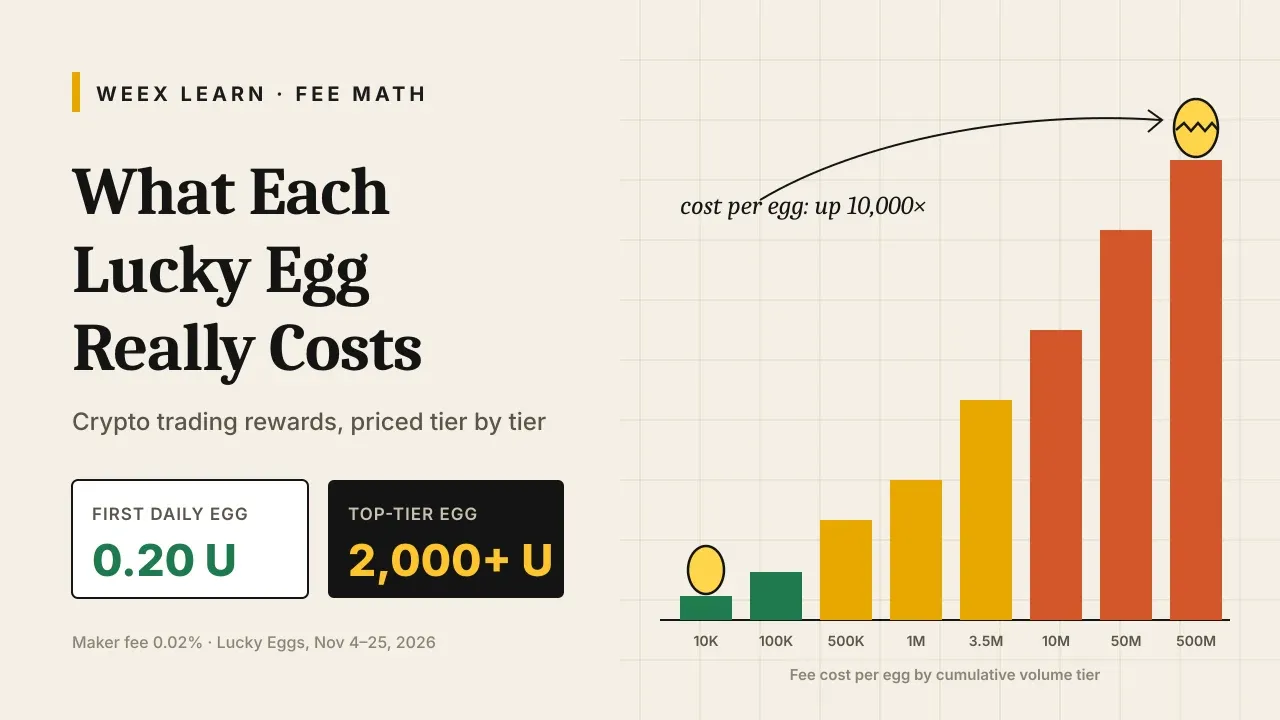
Crypto Trading Rewards: What Each Lucky Egg Really Costs in Fees
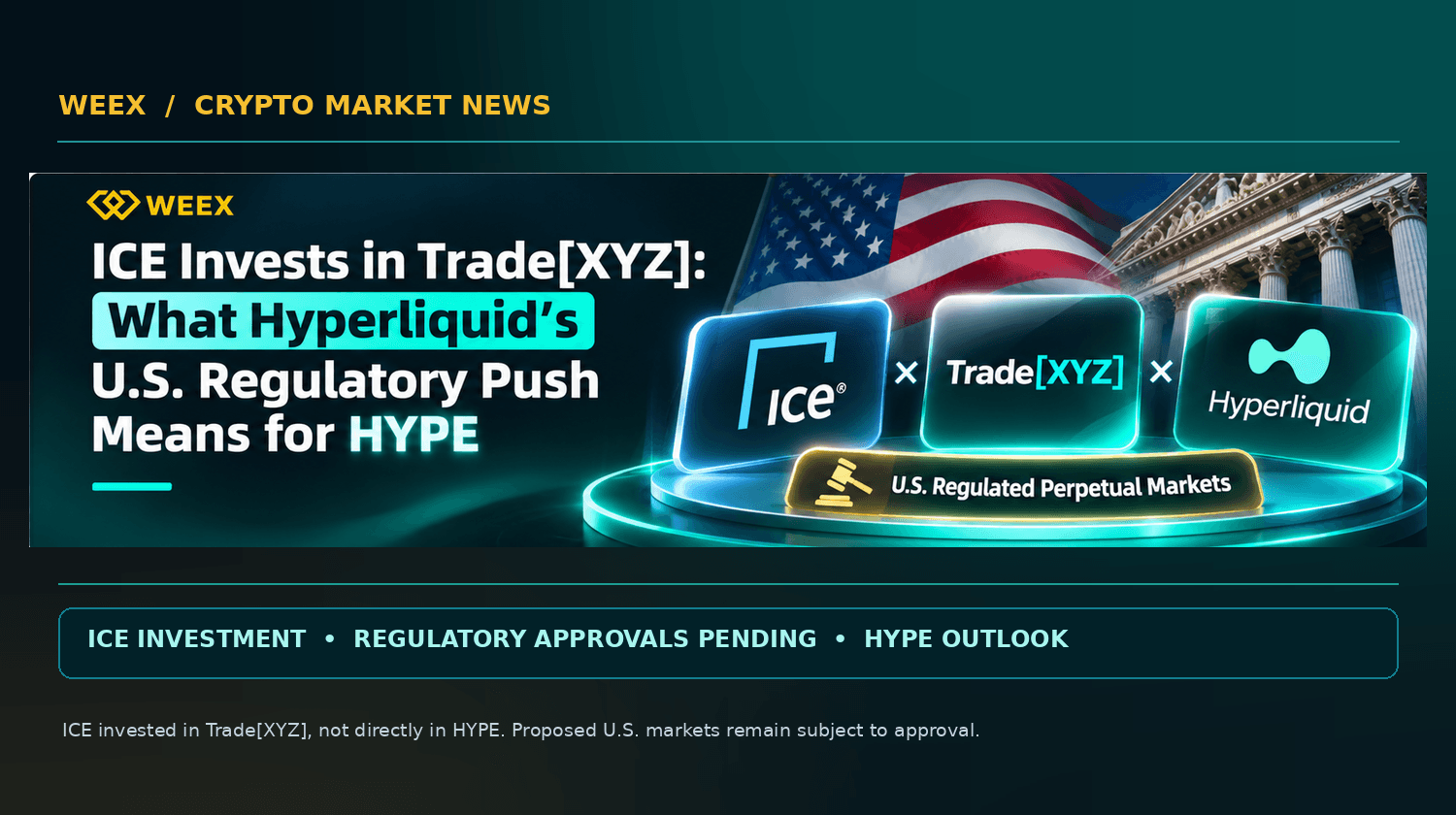
HYPE Up 12.84%: ICE Invests in Trade[XYZ]
BNB Down 2%: Binance Verifies Reserves for 10 Assets
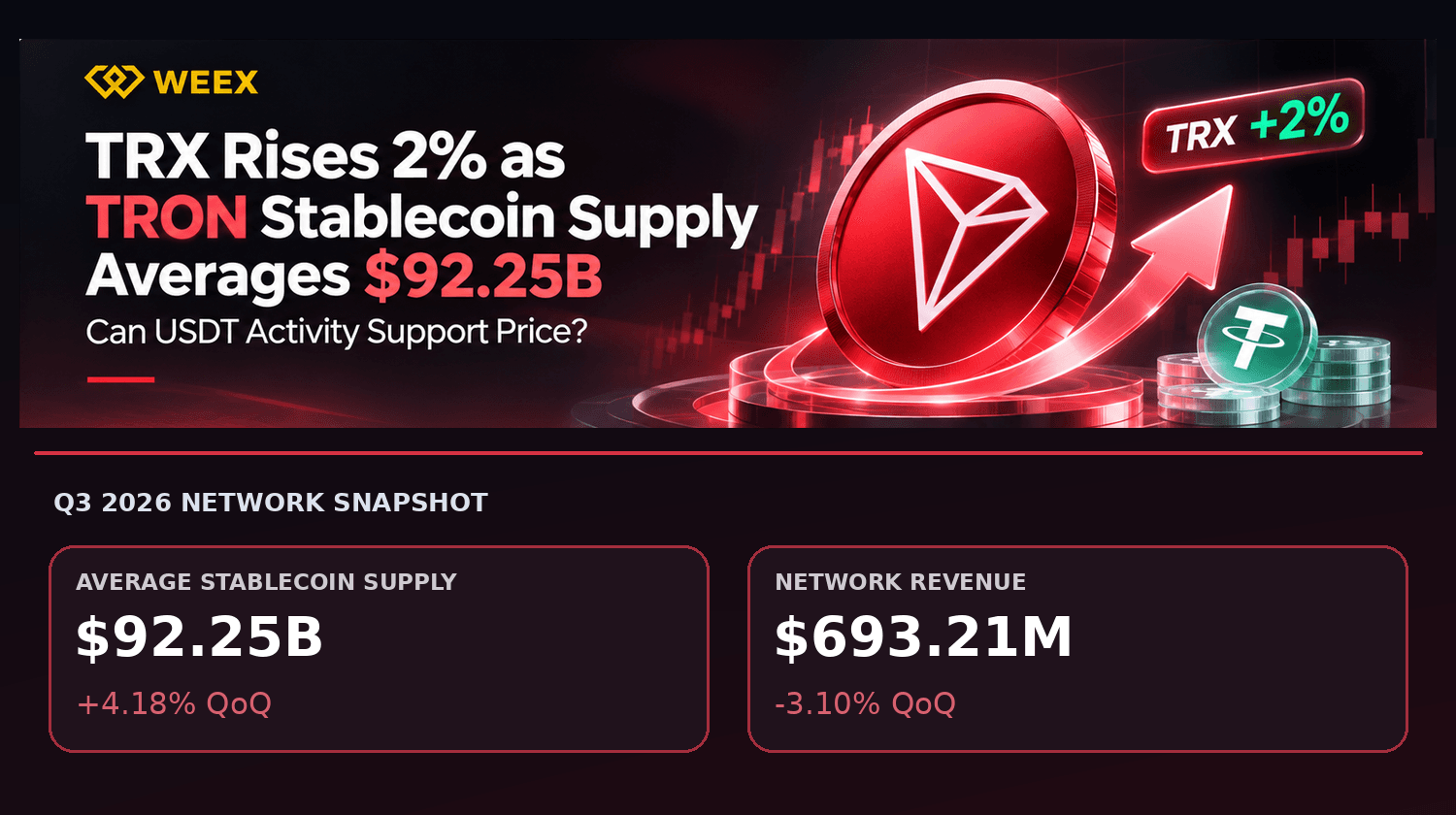
TRX Up 2% as TRON Stablecoin Supply Averages $92.25B
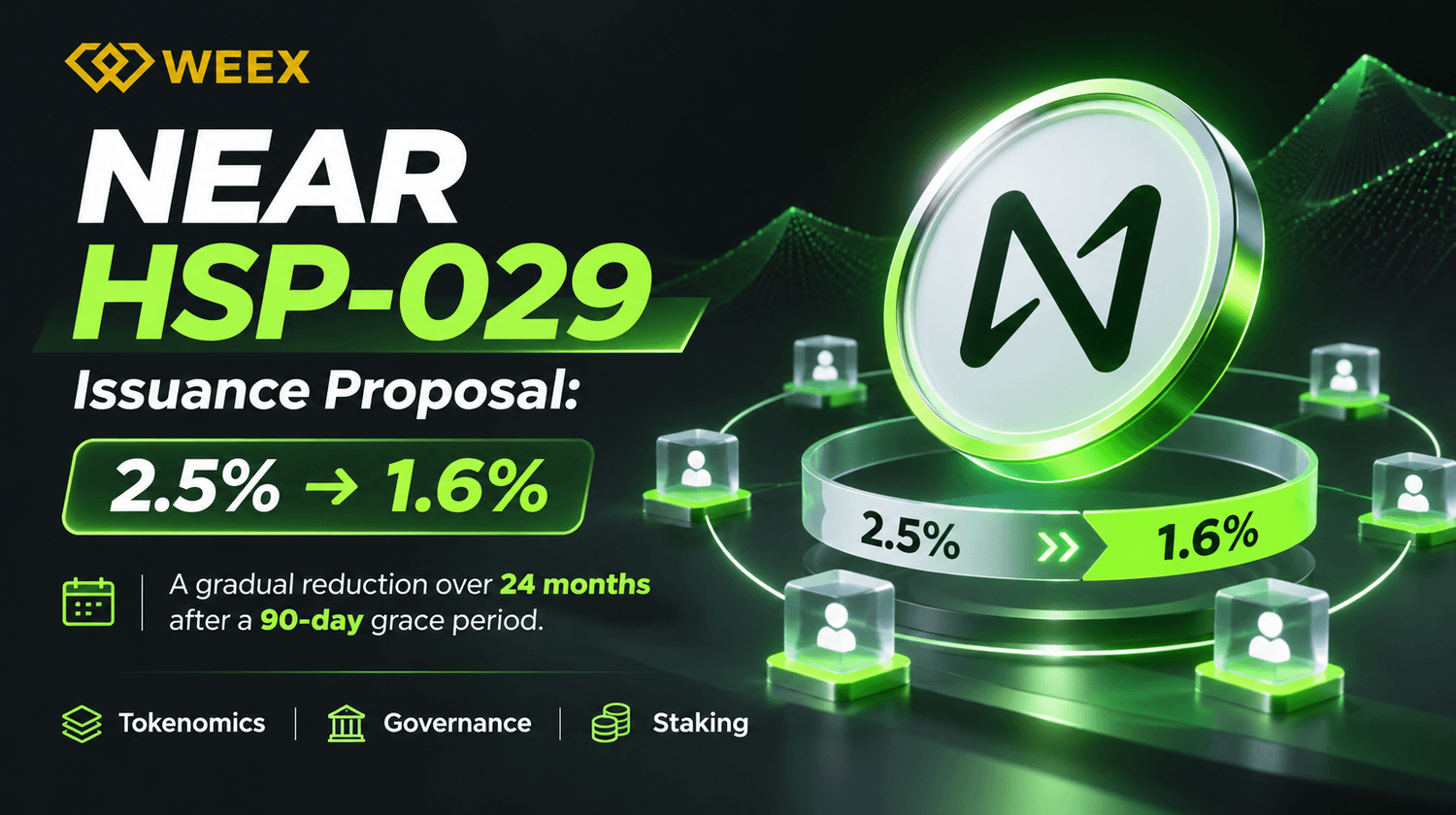
NEAR Protocol HSP-029 Vote: Can a 36% Issuance Cut Affect NEAR Price?
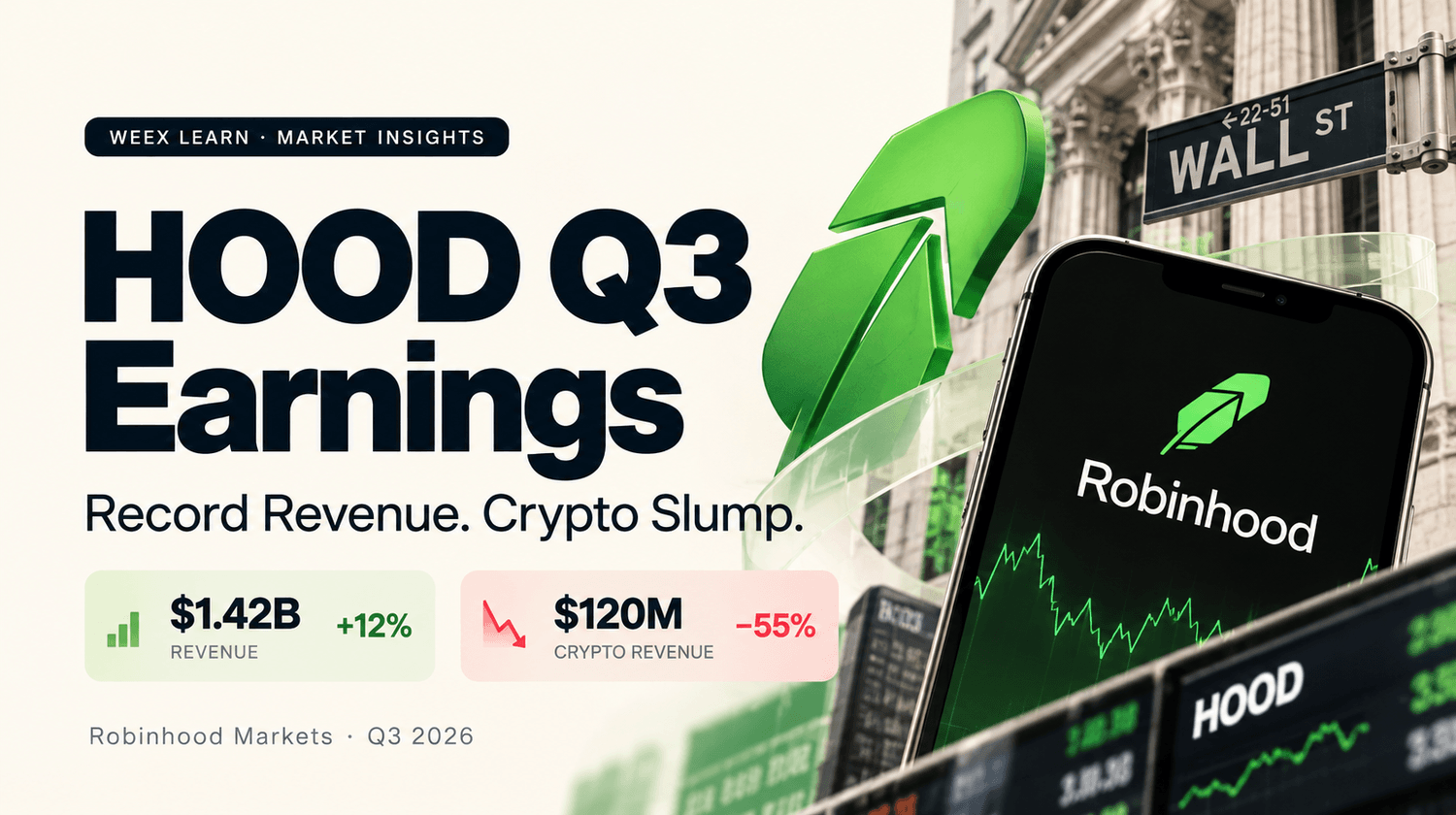
HOOD Q3 Earnings: Record $1.42B Revenue, So Why Did Crypto Revenue Fall 55%?
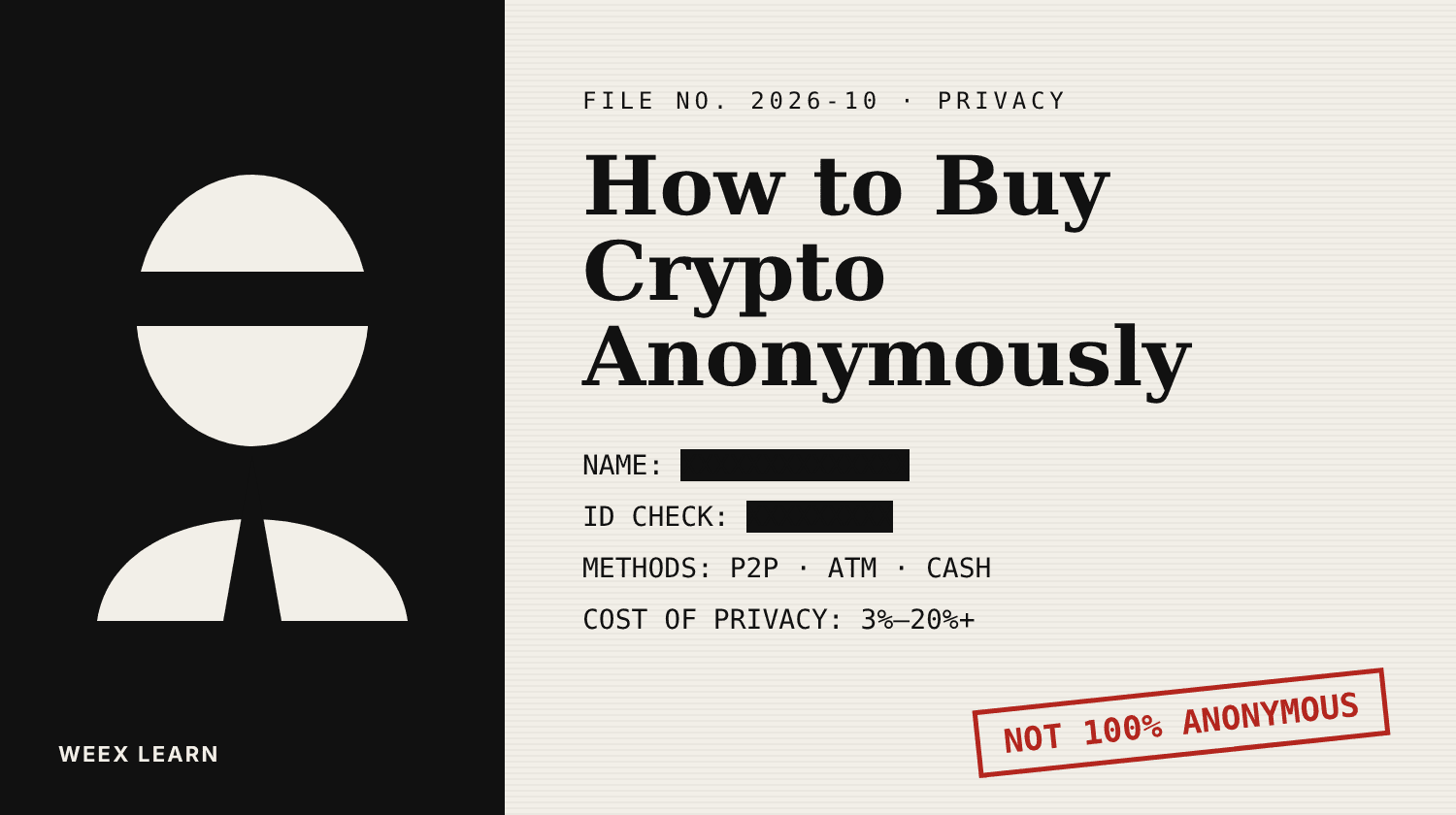
How to Buy Crypto Anonymously: 5 Methods, Real Costs and Limits
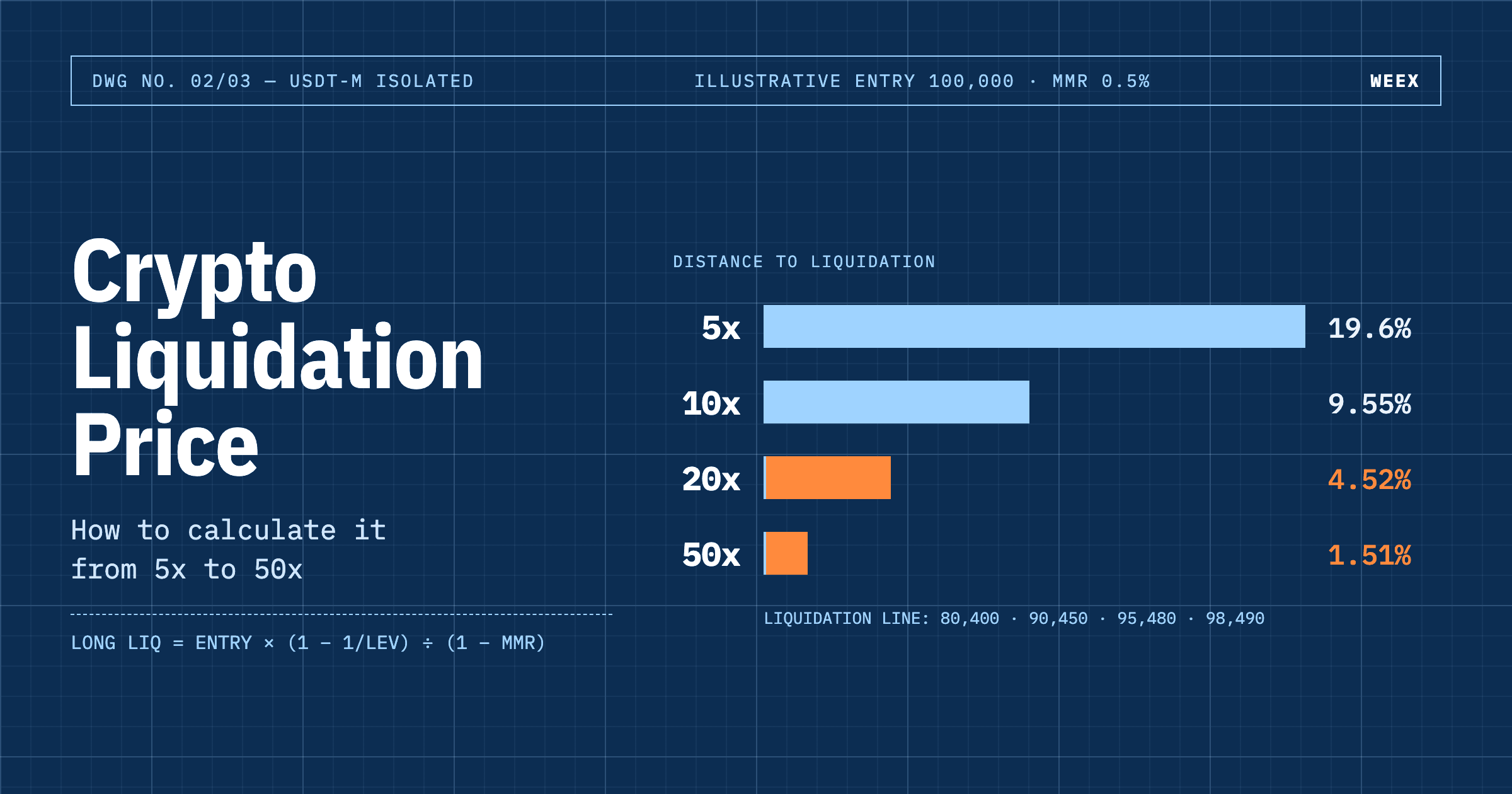
Crypto Liquidation Price: How to Calculate It From 5x to 50x
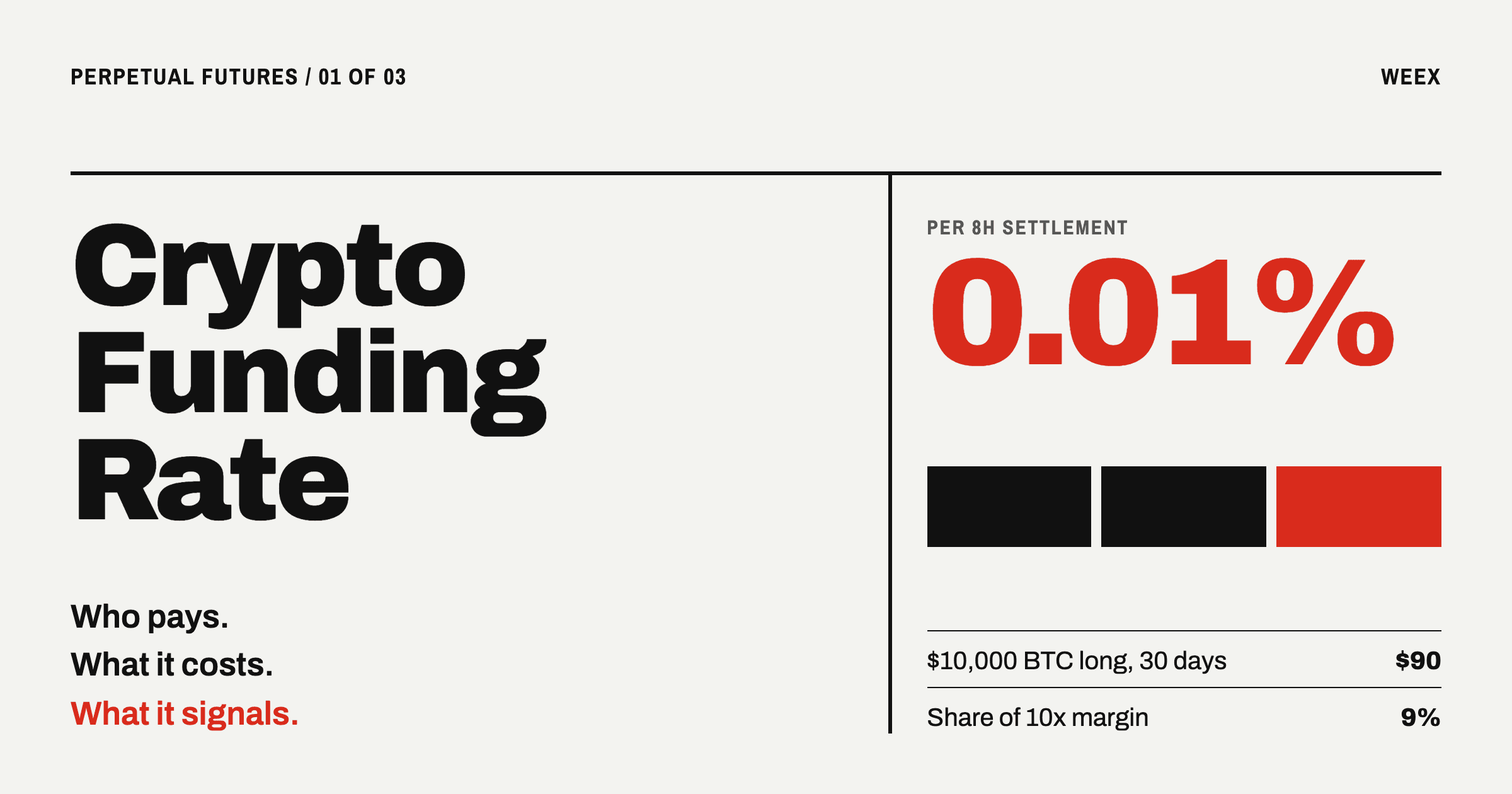
Crypto Funding Rate: Who Pays, What It Costs, What It Signals
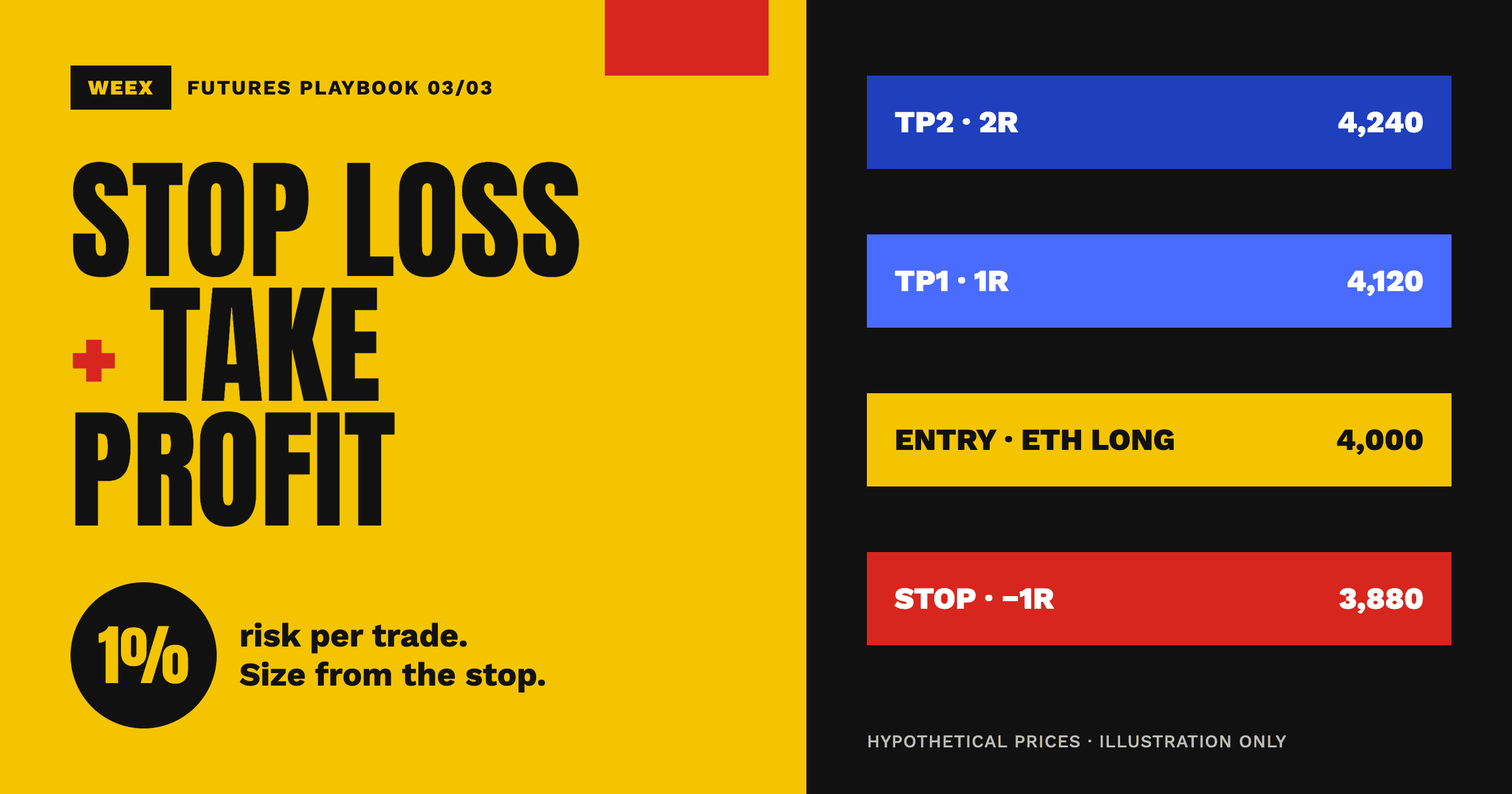
Stop Loss and Take Profit in Crypto Futures: A 1% Risk Playbook
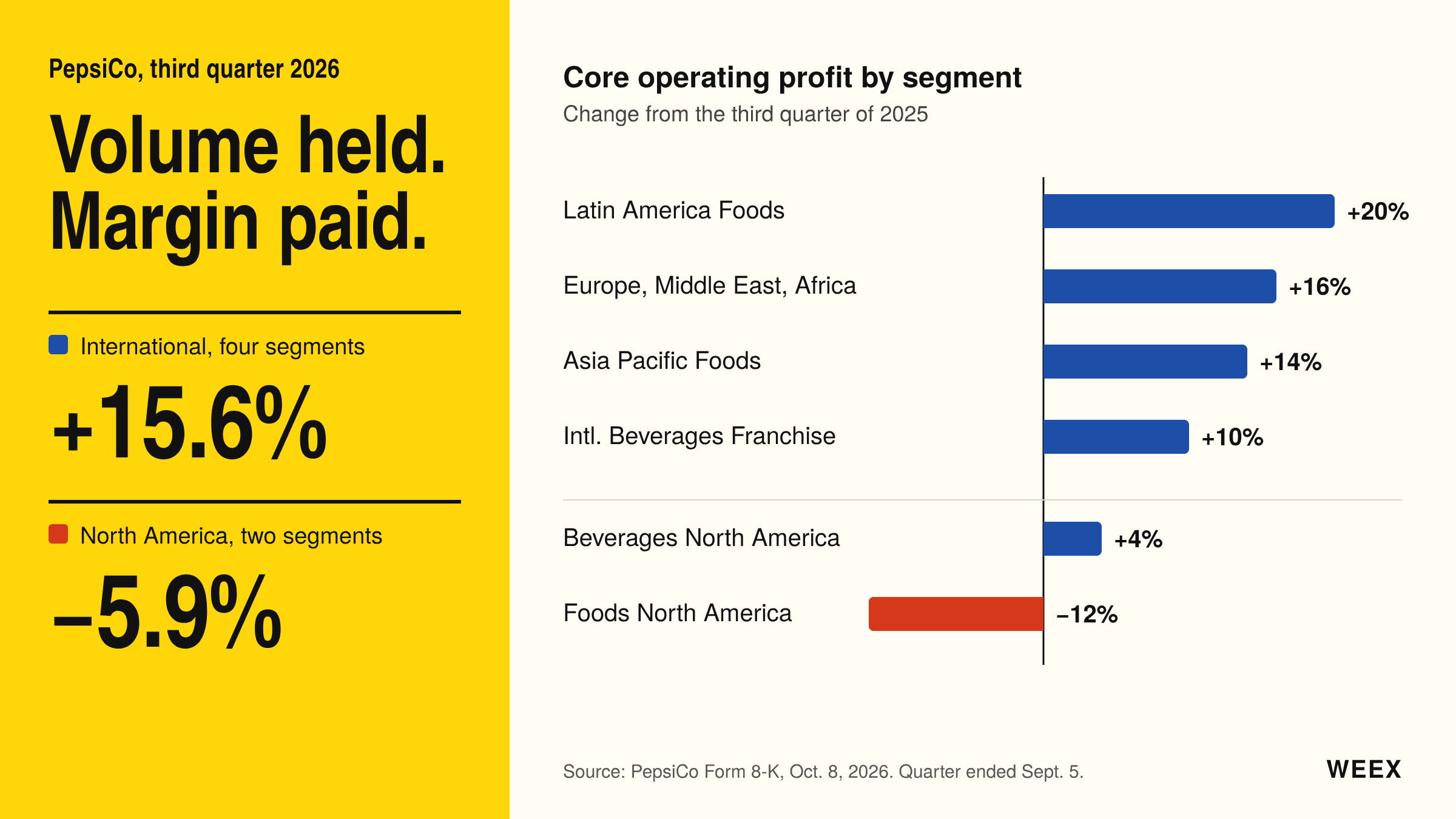
PEP Earnings: PepsiCo Beats Q3, Cuts Guidance on North America
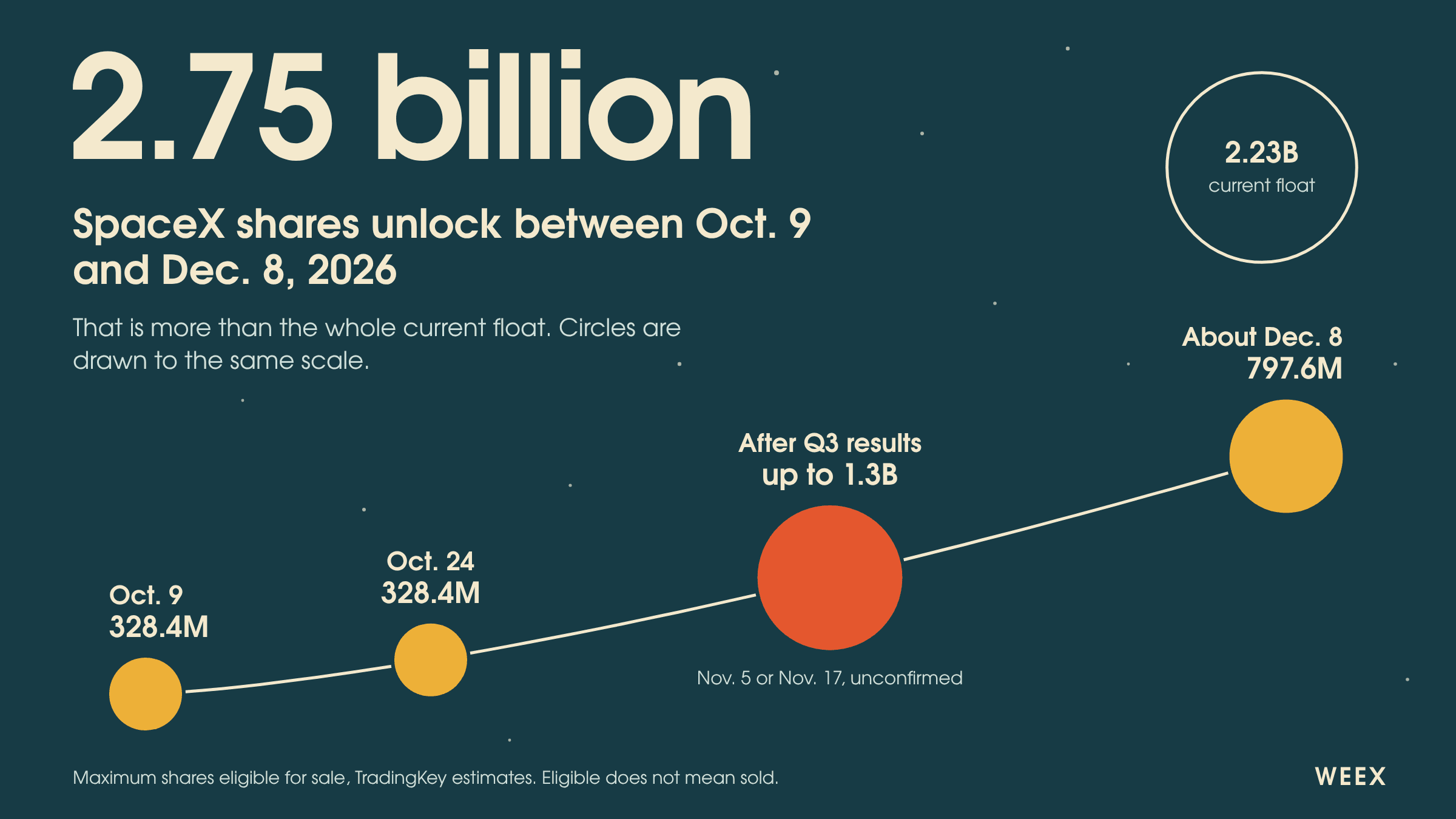
SPCX Stock Futures: 2.75B SpaceX Shares Unlock by December
SNDK Stock Futures: SanDisk at 7.5x Earnings Before Oct. 29
ETH Futures: Why Ether Is Falling Faster Than Bitcoin This Week
BTC Futures Analysis: $80K Held, but Longs Are Still Paying Up
WEEX Broker Models: Strategy Bots, Copy Trading and Sub-Exchanges
WEEX API Key Setup: How to Connect a Third-Party Platform Safely
What Is Aptos (APT)? Complete Layer-1 Blockchain Guide
What Is APRO (AT) and How Does It Work?
What is Crypto Airdrop ? The Most Complete Guide for Beginners to Get Airdrop
CEG Earnings Jump to $5.06: Can AI Power Demand Sustain Growth?
Binance Wants 74.56M ARB Back: Will ArbitrumDAO Approve?
DTCC on Canton: Will Wall Street Tokenization Lift CC Demand?


