
A Complete Guide to Using Trigger Orders on WEEX

 Prefer us on Google
On WEEX, efficient trade management and staying ahead of market shifts are vital for success. The Trigger Order feature is a robust tool that lets traders automate buy and sell points, eliminating the need for constant market monitoring to hit profit (TP) or stop-loss (SL) targets. This guide covers how trigger orders function, their key parameters, and ways to streamline your trading strategy with them.
What Is a Trigger Order?
A trigger order is an automated instruction to execute a trade when the market price reaches a predefined trigger price. It allows you to plan trades in advance, ideal for traders who want to set entry or exit points without staying glued to the market.
How Trigger Orders Work
Setting the Trigger Price and Quantity
To create a trigger order, you specify the trigger price (when the order activates) and quantity (the amount to trade). When the market or mark price hits the trigger price, your order is placed as either a limit or market order based on your settings.
Order Execution
Once the trigger price is reached, WEEX executes the order at your set price target and quantity. The price target is the execution price when the trigger condition is met.
Key Parameters of Trigger Orders
Here are the essential elements to understand for trigger orders on WEEX:
Trigger Type: Choose between:
Market Price (latest execution price)
Mark Price (reasonable mark price)
Trigger Price: The price that activates your order when matched by the market price.
Price Target: The price at which the order executes once triggered, as a limit or market order.
Quantity: The number of units or contracts to trade when the order executes.
Example Scenario: Using a Trigger Order
Imagine you want to short BTC/USDT at 28,250 USDT, but the current price is 28,182.9 USDT. You set a trigger order at 28,250 USDT, and your short order executes when the price hits that level.
If you later adjust the trigger price to 27,650 USDT while the market is still at 28,182.9 USDT, the order triggers immediately since the new trigger price (27,650) is below the current market price.
Important Notes About Trigger Orders
Exceeding Quantity Limits
If your order quantity surpasses the allowed limit, the system adjusts it to your current maximum limit.
Execution Challenges
Trigger orders may fail to execute due to:
Price restrictions
Quantity limits
Insufficient margin or position tier
Network disruptions
System issues
Modifying Trigger Orders
When updating a trigger order, the system compares the new trigger price to the current market price:
For long orders, if the new trigger price is above the market price, it executes immediately.
For short orders, if the new trigger price is below the market price, it also executes immediately.
Market Price vs. Trigger Price
Always account for the gap between the current market price and your trigger price when modifying orders to align with your strategy.
Benefits of Trigger Orders
Trigger orders boost trading efficiency by automating entries and exits. Here’s why they’re valuable:
Time Efficiency: Predefine conditions and let the system handle execution.
Risk Control: Set stop-loss or take-profit levels to manage risks effectively.
Seize Opportunities: Capture market movements without constant monitoring.
Conclusion
WEEX’s trigger order feature empowers you to automate trades based on specific market conditions. Whether aiming for a price target or waiting for a key level, trigger orders enable efficient trading without round-the-clock oversight.
By mastering trigger orders, you can refine your strategies, control risks, and stay ready for market opportunities.
For more trading insights, check the WEEX platform for the latest features!
This content is provided for general informational purposes only and doesn't constitute financial, investment, legal, or tax advice. Any events, rewards, online promotions, or related information mentioned herein should not be considered a recommendation, solicitation, or invitation to purchase, sell, trade, or otherwise deal in any crypto assets. Crypto assets are highly volatile and may result in loss. The availability of WEEX services, products, and related events may vary by region. You are responsible for ensuring that your participation is in accordance with applicable local laws and regulations.
You may also like

Who Can Operate in Russia's Crypto Market from 5 October 2026

Self-Custody Wallets: When a Crypto Transfer Must Be Reported to Brazil's Coaf
Binance UAH Deadline: Fiat Trade UAH and USDT/UAH Changes on 28 September

Italian Crypto Tax Return 2026: Filing Deadline, Forms and Gains Rate
FTXF: Hanoi Police Seeks Victims to Report by September 30, 2026
XOF, XAF and CDF Are Now Available on WEEX P2P: What Users Need to Know
WEEX Close Position Guide: Flash Close, Limit Close and TP/SL
WEEX Futures Trading: What 400x Leverage Really Costs You
What Is Aleo (ALEO) Crypto, and Why Did Its Price Jump Up to 88%?
Best Crypto Exchange for Beginners 2026: What Actually Matters When Choosing One
Best Crypto Cold Wallet 2026: Top Picks Matched to How You Hold
Phantom Wallet vs MetaMask: What's the Difference
How to Connect Phantom Wallet to a Solana DApp
How to Install and Set Up Phantom Wallet

What Is Phantom Wallet? A Complete Guide to the Solana Wallet

What Is a White Label Crypto Exchange? A Complete Beginner's Guide
What Is Pons Crypto (PONS), and How to Trade PONS on WEEX?
Crypto Futures Trading Explained: One Real Trade, Start to Exit
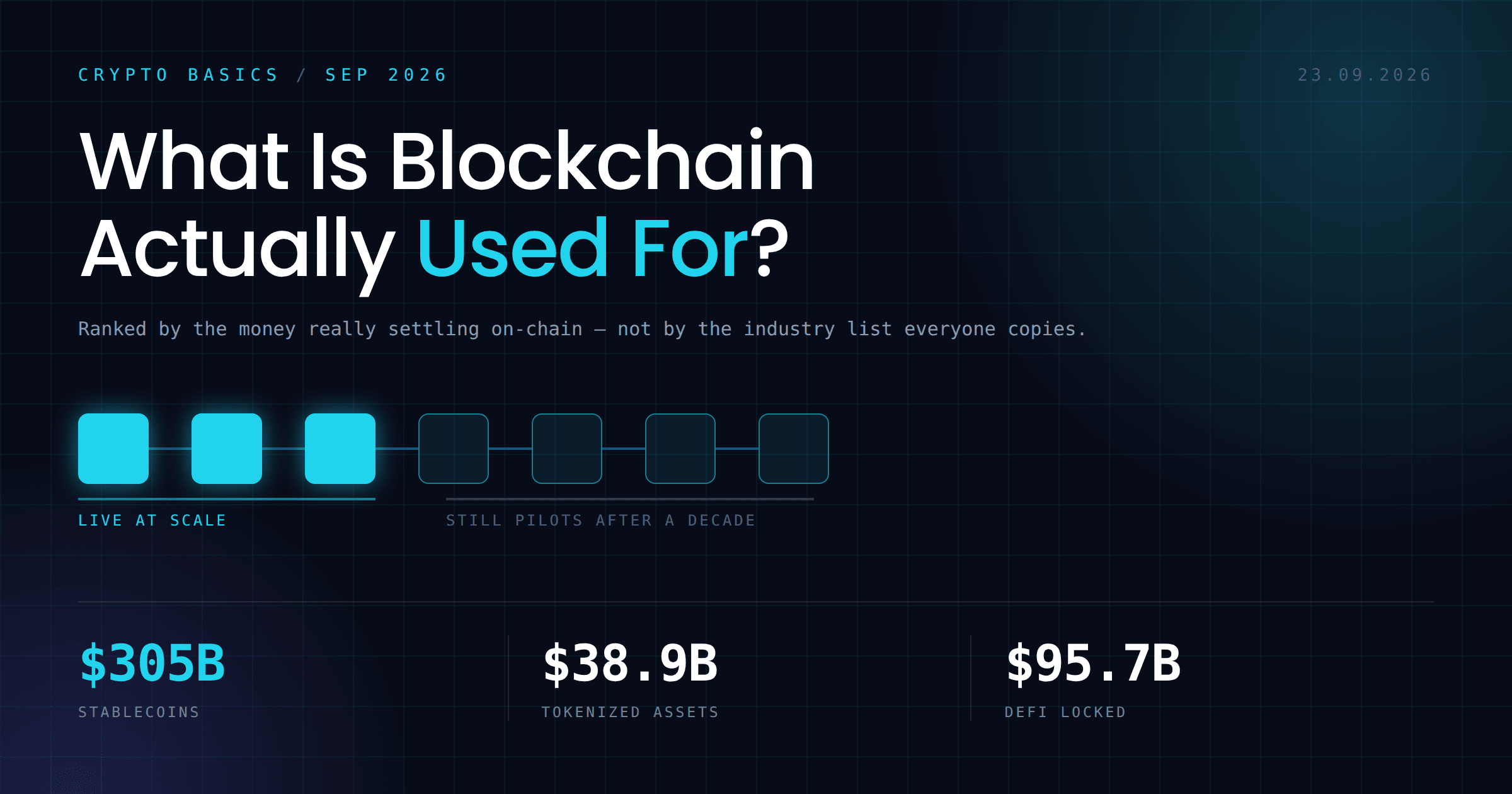
What Is Blockchain Used For? 2026 Uses, Ranked by Real Money
How to Buy USDT with EUR via SEPA Bank Transfer on WEEX
How to Buy Bitcoin with EUR in Europe on WEEX
How to Buy Crypto in Europe with EUR on WEEX OTC
How to Buy Crypto in Vietnam with VND on WEEX OTC
How to Buy USDT in Vietnam with VND via MoMo or Bank Account
INTC Stock Surged 14%: Intel Only Has Enough Chips for Half Its Clients
Is Hyperliquid Safe? Risks You Should Know Before You Trade
Hyperliquid vs Centralized Exchanges: What's the Difference?
SPCX Stock Has a September 22 Catalyst: Here's Why Today's Starship Launch Matters
AMD Stock Joins the $1 Trillion Club: What's Actually Driving the 5 Day Surge

How to Trade on Hyperliquid: A Step-by-Step Guide
Who Can Operate in Russia's Crypto Market from 5 October 2026
Self-Custody Wallets: When a Crypto Transfer Must Be Reported to Brazil's Coaf
Binance UAH Deadline: Fiat Trade UAH and USDT/UAH Changes on 28 September
Italian Crypto Tax Return 2026: Filing Deadline, Forms and Gains Rate
FTXF: Hanoi Police Seeks Victims to Report by September 30, 2026
XOF, XAF and CDF Are Now Available on WEEX P2P: What Users Need to Know


